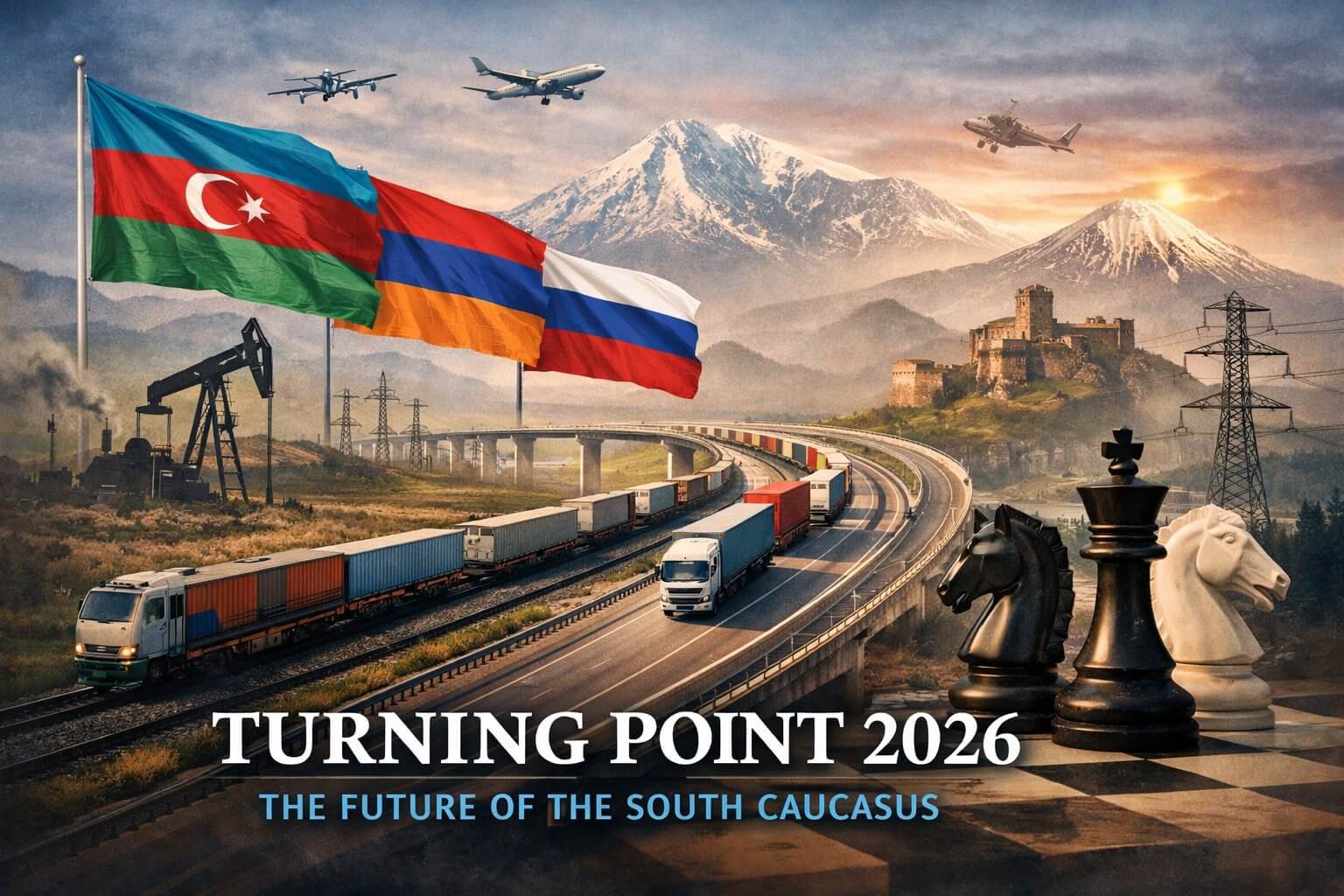
Azerbaijan’s Strategic Role Expands in 2026 as Energy, Transit Corridors and Security Converge
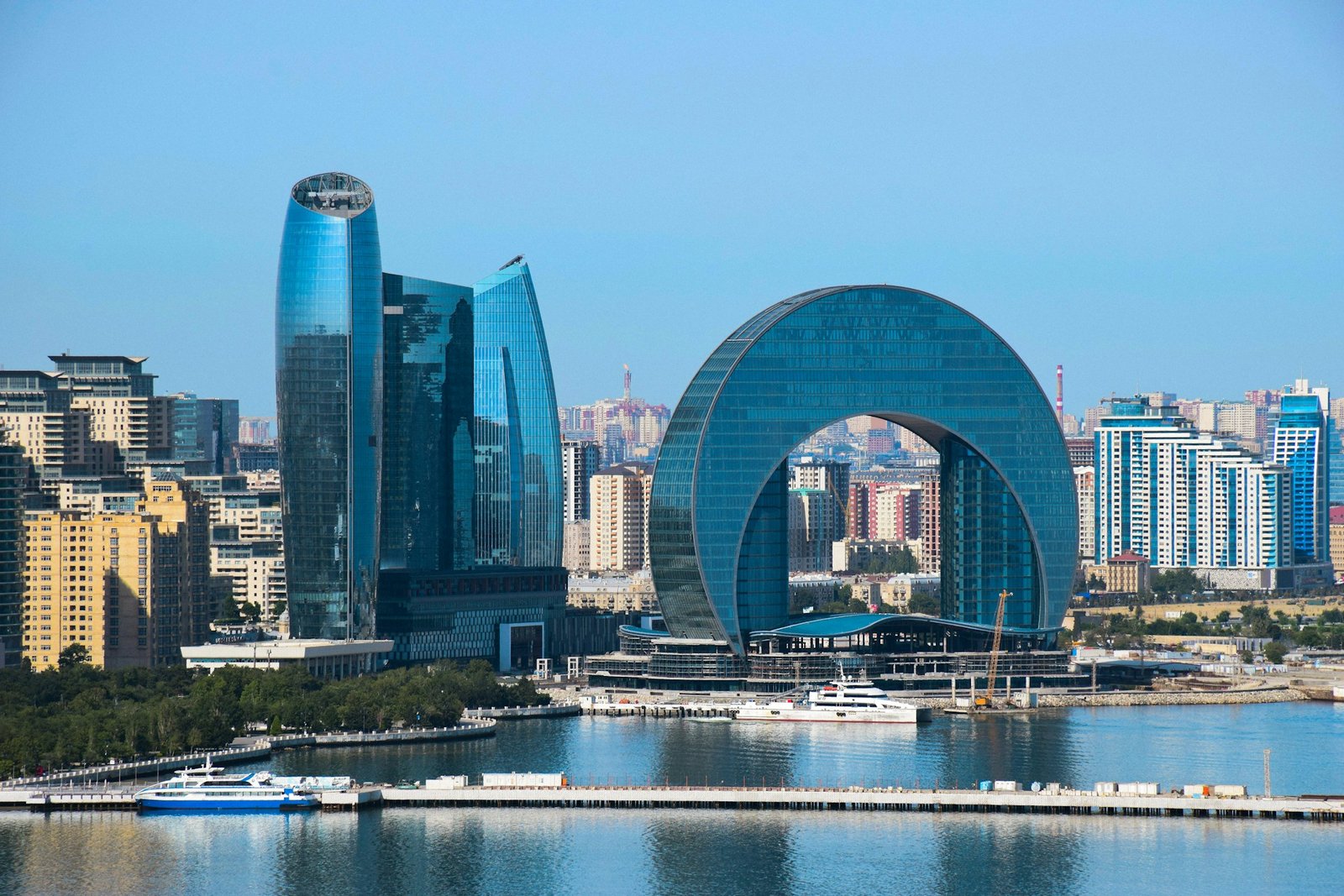
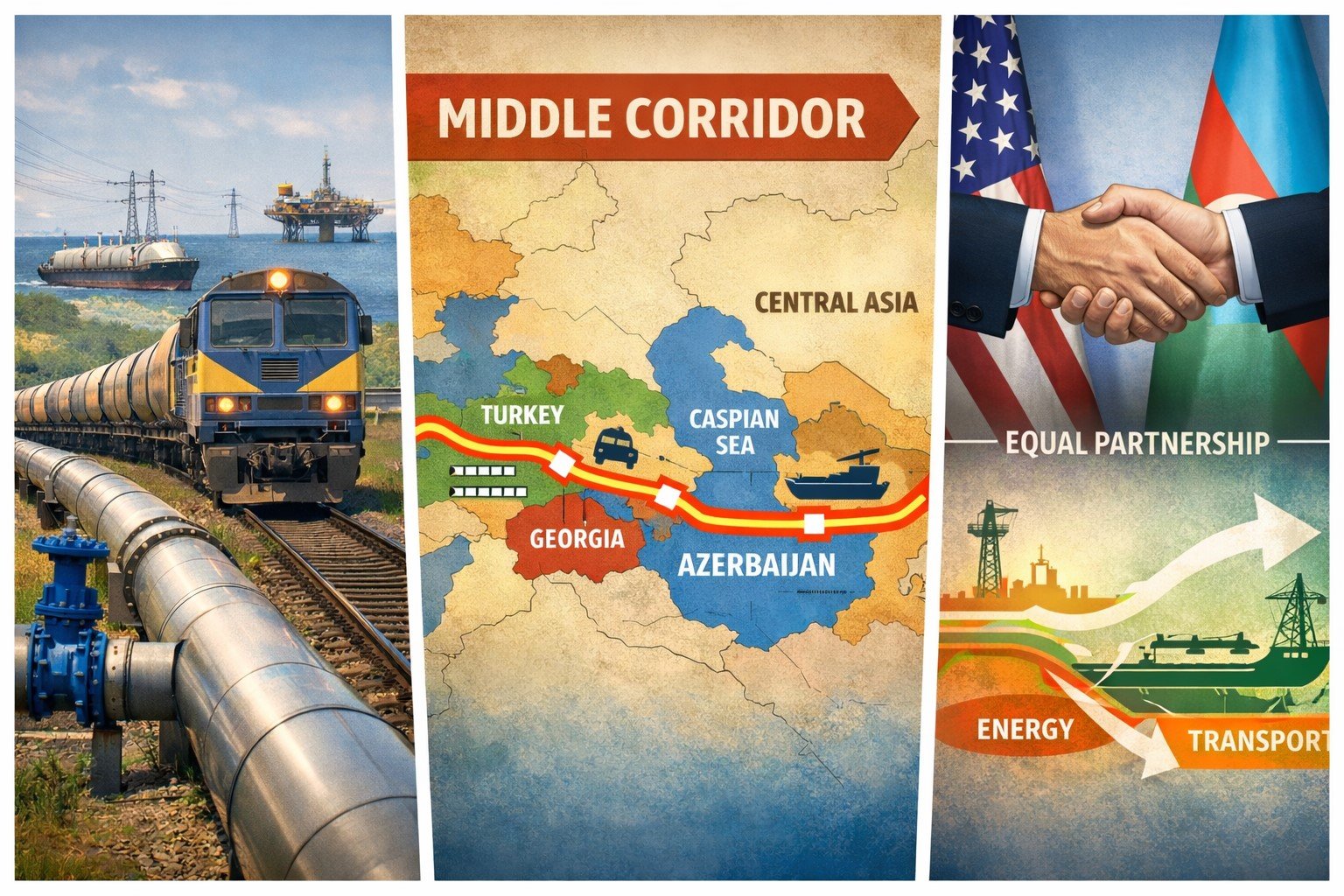
Aze.US Azerbaijan’s regional position is increasingly defined not only by energy exports but also by its expanding role in transport connectivity, logistics corridors and geopolitical stability across the South Caucasus in 2026. For much of the past three decades, the country’s global relevance rested primarily on hydrocarbons. Today, however, infrastructure routes linking the Caspian basin … Read more
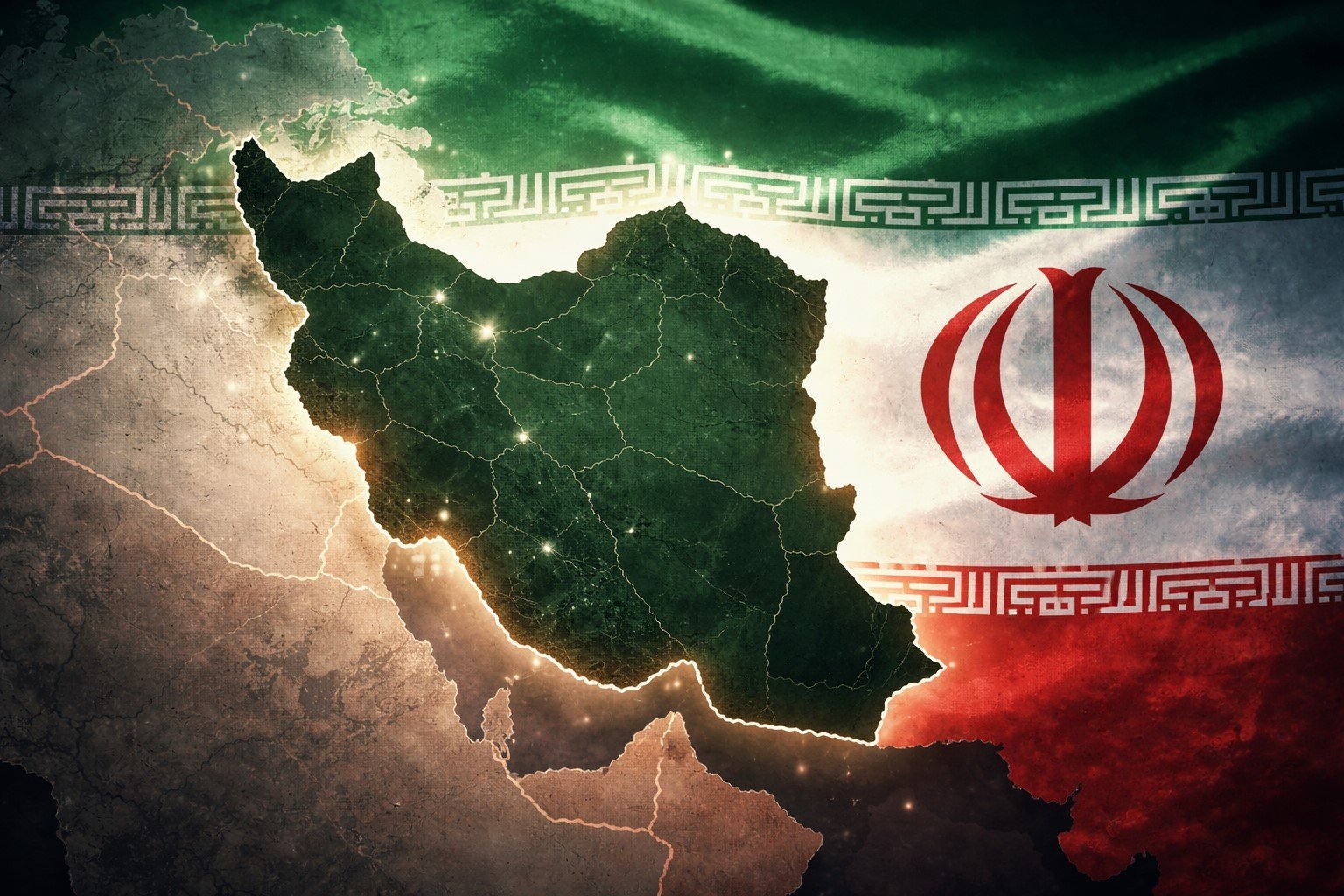
Iran Faces Slow Internal Shift Rather Than Sudden Collapse

Aze.US Rising pressure on Iran’s economy and political system is fueling renewed debate about the country’s future. Yet current trends point less to an imminent collapse than to a gradual internal transformation shaped by sanctions, regional tensions, and elite power dynamics. Iran is confronting overlapping structural challenges. International sanctions continue to restrict access to global … Read more

Can Azerbaijan Really Make Global Platforms Pay?

Aze.US A proposed digital tax reform aims to bring foreign online service providers into Azerbaijan’s VAT system. The real question is not legal design – but enforcement. Azerbaijan’s plan to require foreign digital service providers to register for tax and pay value-added tax on local sales reflects a broader global shift: governments are increasingly determined … Read more

The South Caucasus Between Negative And Positive Peace: The Economic Architecture Of Transition

By Leyla Mammadli for Aze.US The South Caucasus has entered a post-war phase. Yet this phase cannot fully be described as peace; rather, it represents a transition toward peace. The end of active conflict does not automatically produce stability. As Johan Galtung distinguished, the cessation of violence constitutes “negative peace,” while durable institutions, economic interdependence, … Read more

Russia Is Losing Its Periphery While the War Drags On

Aze.US Nearly four years after the start of the war in Ukraine, the strategic question is no longer what Moscow hoped to gain, but what it has already lost. The answer is becoming increasingly clear: beyond battlefield costs, Russia is steadily losing influence across the geopolitical space that once formed its uncontested periphery. The South … Read more

After the Wars: Why the South Caucasus Is Entering a Structural Transition

Aze.US Recent U.S. diplomatic engagement in the South Caucasus is often interpreted through the narrow lens of individual visits or short-term regional crises. A more durable reading suggests something different: the region is entering a structural transition shaped by the erosion of post-Soviet security arrangements and the gradual emergence of connectivity-driven geopolitics across Eurasia. For … Read more

The United States Is Not Returning to the South Caucasus – It Is Replacing the Old Order

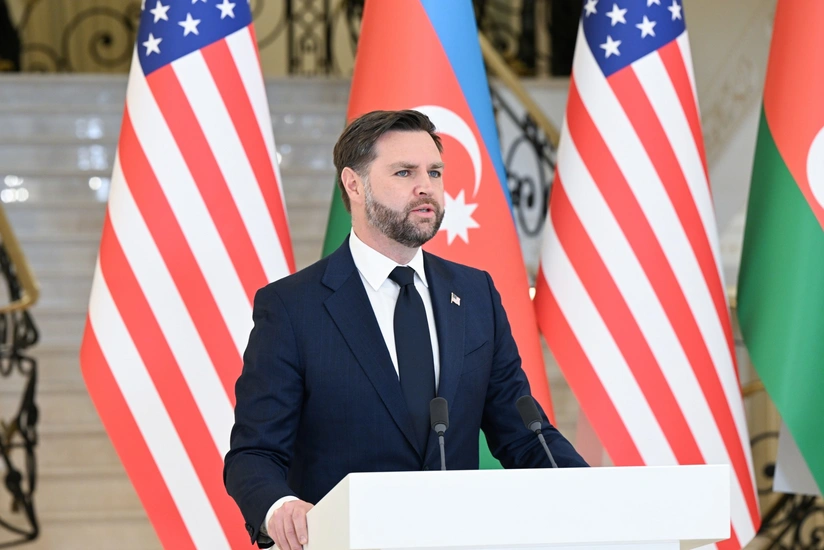
Aze.US The recent diplomatic activity surrounding U.S. Vice President JD Vance’s engagement in the South Caucasus is widely framed as routine outreach. In reality, it reflects something more consequential: the gradual replacement of the region’s post-Soviet geopolitical order. For decades, the South Caucasus operated within a familiar structure. Russia functioned as the primary security guarantor, … Read more

What the United States Is Changing in the South Caucasus

Aze.US The signing of a U.S.–Azerbaijan strategic charter signals a broader shift in regional security, transit, and geopolitical alignment. The visit of U.S. Vice President JD Vance to Baku and the signing of a strategic partnership charter marked one of the most consequential political developments in the South Caucasus in recent months. The document spans … Read more

Why 2026 Could Become a Turning Point for the South Caucasus

Aze.US The geopolitical balance in the South Caucasus is entering a phase that analysts increasingly describe as transitional rather than merely tense. After several years marked by conflict, fragile ceasefires, and shifting alliances, regional dynamics are beginning to evolve toward something more structural: a gradual redefinition of influence, connectivity, and long-term security architecture. For Azerbaijan, … Read more

Language, Identity, and Power in the Post-Soviet Space

Aze.US Why the Debate in Azerbaijan Is Bigger Than It Seems A sharp public statement by Azerbaijani journalist Azer Hasrat has reignited a familiar but unresolved debate across the post-Soviet world:can national identity fully coexist with the continued dominance of the Russian language? In a televised appearance, Hasrat argued that individuals who consistently prioritize Russian … Read more