AZE.US
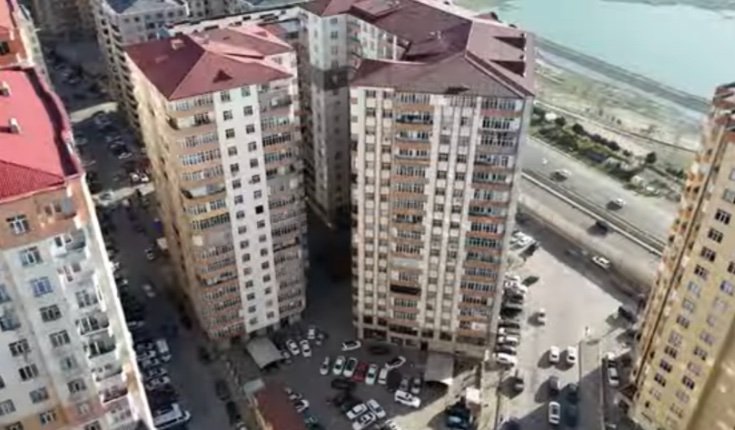
Housing prices in Azerbaijan are still climbing, with new-build apartments leading the market’s latest rise.
According to official figures cited by the İqtisadi Zona program, residential property prices in Azerbaijan increased by about 8% to 10% in the first quarter of 2026 compared with the same period last year.
Prices in new buildings rose by 13.1%, while apartments in older buildings became roughly 8% to 10% more expensive.
Market participants say one of the main reasons is the rising cost of construction. Higher prices for building materials, combined with increased labor costs, are pushing up the overall cost of new housing. When developers spend more to build, those costs are eventually reflected in apartment prices.
The construction materials market is not moving in one direction, however. Some suppliers say prices for certain imported materials have remained stable for now, including products brought from India and Italy. Still, they expect possible increases later this year, depending on supply chains, logistics and import costs.
The housing market has also been shaped by recent flooding concerns. After heavy rains damaged some private homes in Baku and nearby areas last autumn, many expected demand for detached houses to weaken and prices to fall.
Experts say that effect is likely to remain local. Flooding may reduce interest in homes in specific affected neighborhoods, especially where drainage problems are obvious, but it is unlikely to change prices across the wider private housing market. Once the consequences of flooding are addressed, demand in those areas may gradually return.
The broader reason prices remain firm is that real estate is still seen in Azerbaijan as one of the safest places to put money. For many buyers, an apartment or house is not only a place to live, but also a long-term investment.
That demand is keeping pressure on prices. For now, Azerbaijan’s housing market continues to move upward, with new-build apartments rising faster than older homes and expectations of a broad price decline again failing to materialize.
AZE.US