AZE.US
Older Soviet-era apartment blocks are often left outside mortgage lending because of age, worn-out infrastructure, seismic concerns, and the limited remaining service life of the building itself.
For many homebuyers in Azerbaijan, a mortgage remains the main tool for purchasing an apartment as housing prices stay high. But in practice, not every property on the market is considered suitable for long-term bank financing.
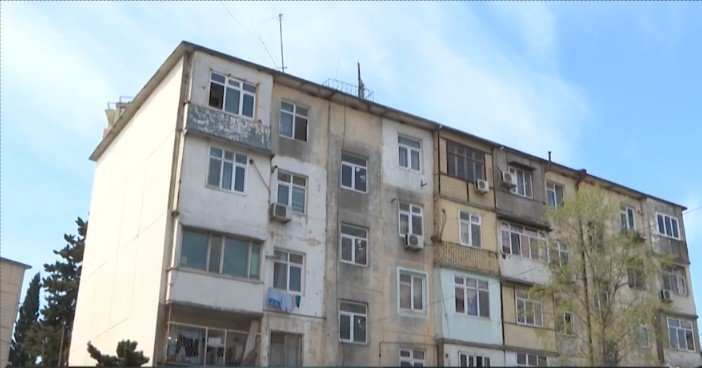
One of the most problematic categories is the so-called khrushchyovka - old Soviet-era apartment buildings constructed decades ago. Flats in these buildings are often excluded from standard mortgage programs or face tighter lending restrictions.
The main problem is the age of the building. Real estate experts say the projected service life of many such properties has either already expired or is nearing its end. That creates a direct risk for banks, since a mortgage is usually issued for 20 to 30 years, while the building itself may not remain suitable for use throughout that period.
The concerns go beyond age alone. In many of these buildings, water, gas, and electrical systems are outdated and heavily worn. Seismic resilience is another issue, especially when banks assess the long-term value and safety of the property used as collateral.
There is also a redevelopment risk. If an old building is demolished and replaced with a new one, the address, legal status of the property, and documentation tied to the original apartment can become more complicated. That creates another layer of uncertainty for lenders.
As a result, banks take into account not only the price of the apartment, but also the building’s remaining useful life. If that period is too short, the lender may reject the application or refuse to issue a long-term loan.
For example, if a building was originally designed for a service life of around 70 years and has already been standing for about 60, a bank is unlikely to issue a 25- to 30-year mortgage for an apartment in that property.
That is why khrushchyovka apartments in Azerbaijan often remain outside the full mortgage market, even if they are noticeably cheaper than newer housing.
AZE.US