An Azerbaijani lawmaker has proposed gradually ending state financing for Russian-language education, arguing that the country’s large Russian-language school sector weakens the position of Azerbaijani and creates risks for national identity.
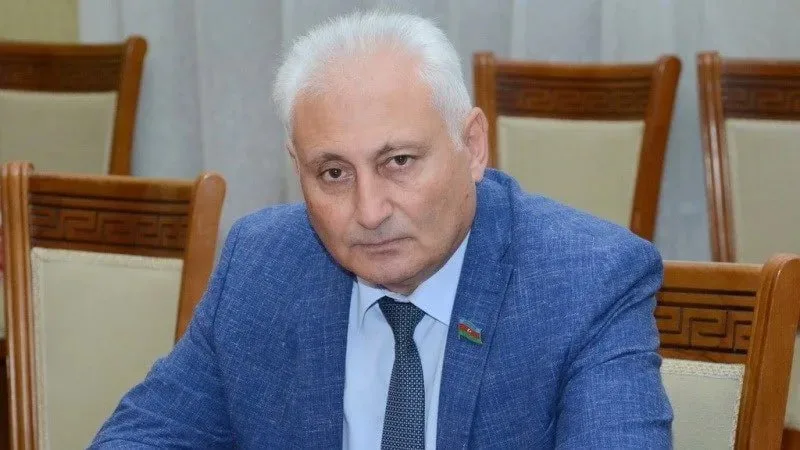
Hikmet Babaoglu, a member of Azerbaijan’s parliament, outlined the proposal in a Pressklub TV interview, according to Vesti Baku.
Babaoglu said about 157,000 pupils studied in Russian-language classes in 2025, far exceeding the roughly 70,000 people he estimated make up Azerbaijan’s ethnic Russian or native Russian-speaking population.
He argued that many Azerbaijani families choose Russian-language schooling not because of a linguistic need but because of social habits and a belief that it carries greater prestige.
Proposal Would Shift Costs to Families
Babaoglu estimated that educating one pupil costs the government about 2,200 manats, or approximately $1,294, each year.
He questioned why the state should pay for children from Azerbaijani-speaking families to receive their education in Russian when schooling in the state language is available without charge.
The lawmaker proposed a gradual transition under which education in foreign languages, including Russian, would be offered on a paid basis.
He stressed that he was not calling for the immediate closure of existing schools or classes.
“Schools cannot be closed at once. This issue must be resolved gradually,” Babaoglu said.
Under his proposal, public funding would focus on education in Azerbaijani, while families wanting full-time schooling in other languages could use fee-based institutions.
Language and National Security
Babaoglu presented the issue as both an educational and political concern. He linked the continued scale of Russian-language schooling to Russia’s historical influence in Azerbaijan.
He also cited Moscow’s rhetoric about protecting Russian-speaking populations outside Russia, arguing that such claims could be used to interfere in neighboring countries’ internal affairs.
The lawmaker called for strengthening Azerbaijani across public life and criticized the practice, common in Baku, of Azerbaijani citizens speaking Russian to one another.
Learning Russian Would Remain an Option
Babaoglu said he does not oppose the study of Russian or other foreign languages. He acknowledged Russian’s cultural importance and the right of citizens to learn it alongside English, French and other languages.
He said the key distinction is between learning a foreign language and receiving an entire publicly financed school education in that language.
Babaoglu also questioned the quality and availability of teacher training for the Russian-language sector.
The proposal is the lawmaker’s position and has not been adopted as government policy. If pursued, it would amount to a gradual reduction of the publicly funded Russian-language sector while leaving private, fee-based Russian education available.