By AZE.US
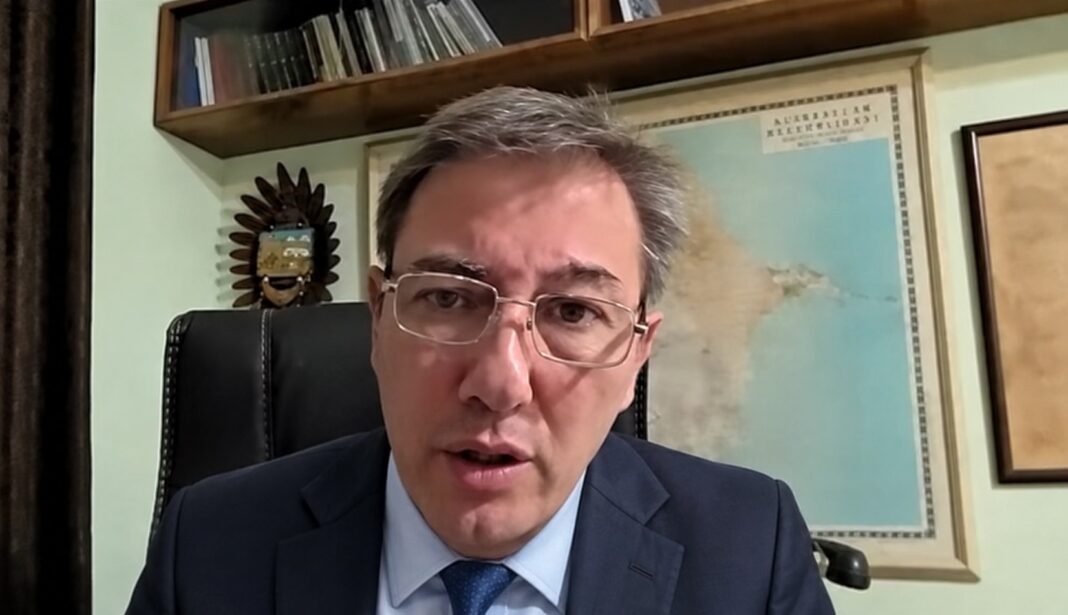
Baku is waiting for Yerevan to turn statements about peace into concrete action on the border and transport links, Azerbaijani political analyst Ilgar Velizade said, arguing that political distrust continues to shadow the normalization process.
Velizade, head of the South Caucasus Political Scientists Club, made the comments during an interview with Echo Baku while discussing President Ilham Aliyev’s recent sharp rhetoric toward Armenia’s leadership.
He said the tone should be viewed against a cooling of political dialogue, including disputes over visits by foreign diplomats to monasteries in Karabakh and disagreements about how the former conflict is described.
Velizade said he did not believe either side had abandoned the peace agenda. Work continues on transport projects, contacts between representatives of the two countries and the activity of bilateral commissions, he said. But each dispute exposes how little trust has been built.
Call for Action on the Border and Transport
Velizade said Baku’s central complaint is a gap between Yerevan’s public statements and practical measures. Announcements about resolving border questions and reopening communications, he said, should be followed by meetings, agreed procedures and implementation.
“If you want to change something seriously and fundamentally, you must take fundamental steps,” Velizade said.
He cited the border delimitation commissions as an example. Keeping the officials responsible for the process in place should allow negotiations to continue, he said, making it difficult to explain a lack of intensive contacts solely through domestic political circumstances.
Velizade said similar questions surround the Trump Route for International Peace and Prosperity, or TRIPP. Discussing future construction does not by itself show how quickly the parties are ready to implement their agreed agenda, he said.
Official contacts have continued. During an August 31 meeting, Aliyev and Armenian Prime Minister Nikol Pashinyan emphasized continued work by the border commissions and discussed practical steps on TRIPP. The countries’ foreign ministers also met in New York on September 24, focusing on transport infrastructure and agreeing to maintain direct dialogue.
Peace Agenda and Armenian Politics
Velizade said Armenia’s leadership may be acting cautiously while waiting to see how the international environment develops, though he stressed that he had no direct information about Yerevan’s motives.
He said the peace agenda is also important to Pashinyan domestically because it lets the prime minister distinguish his approach from opponents whom Baku regards as revanchist. For Azerbaijan, however, Velizade said the decisive measure is the practical result of that policy.
Continued negotiations do not mean Baku will reduce its focus on security, he said. Velizade described the strengthening of Azerbaijan’s armed forces and expansion of military-technical cooperation as deterrence measures while distrust remains.
Message About Azerbaijan’s Independence
Velizade also addressed Aliyev’s statements about Azerbaijan’s independent foreign policy. He said they could be directed at any outside power seeking to fit Baku into its own regional strategy.
Azerbaijan will continue choosing partners according to its interests, Velizade said. In defense procurement, he added, that means evaluating the quality and technical capabilities of equipment from different producers.
Velizade interpreted Baku’s harder rhetoric as serving two purposes: pressing Yerevan to accelerate practical decisions and signaling to outside partners that Azerbaijan intends to preserve its freedom of action.
In his view, progress toward peace will depend mainly on concrete measures on border delimitation and communications that narrow the gap between diplomatic declarations and cooperation on the ground.
AZE.US