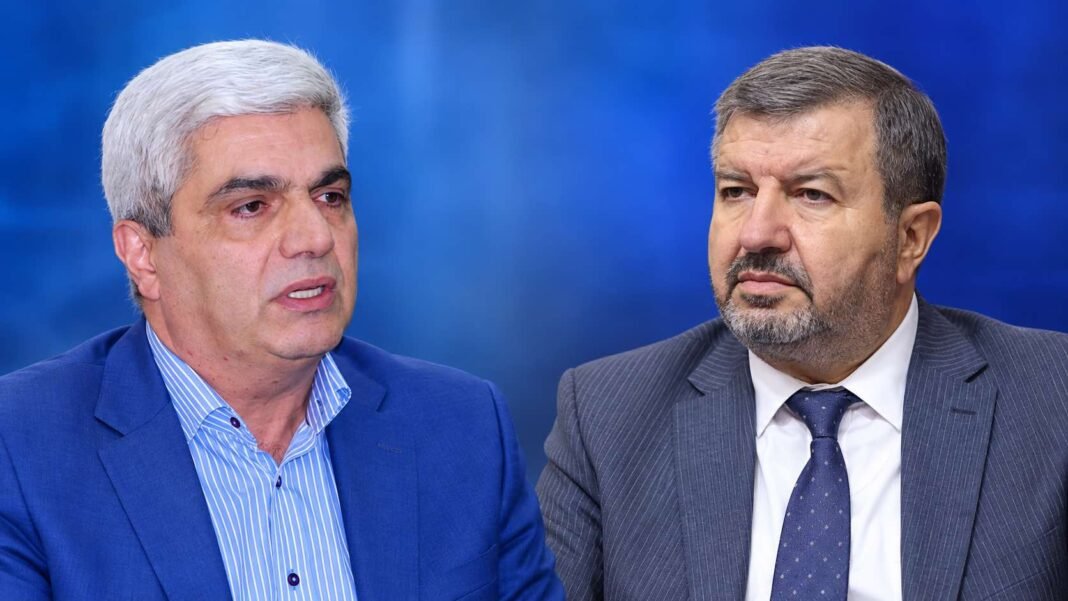
BAKU, Azerbaijan - Reopening the Armenia–Turkey border could reshape the balance of power in the South Caucasus, expand Ankara’s influence in Armenia and intensify debate over the future of Russia’s military base there, Armenian political analyst Stepan Grigoryan said.
Grigoryan, head of the Analytical Center on Globalization and Regional Cooperation, made the assessment during a Press Clubs discussion with professor Toghrul Ismayil. Their remarks were reported by Vesti Baku.
The two experts agreed that normalization could produce major economic and strategic changes, but differed over how quickly the border could open and how closely the process should remain tied to an Armenia–Azerbaijan peace agreement.
Ankara’s Ties With Baku Remain Central
Grigoryan said Armenia’s government has consistently pursued normalization with both Turkey and Azerbaijan. While Yerevan and Ankara formally describe their talks as a bilateral process without preconditions, he said Turkey’s strategic alliance with Azerbaijan inevitably affects Ankara’s decisions.
Ismayil also argued that the border issue cannot be viewed in isolation from regional security. He said a durable opening should be accompanied by progress in Armenia–Azerbaijan normalization, restored transport links and confidence-building measures.
That assessment reflects Turkey’s longstanding position that developments in its relationship with Armenia are closely connected to peace between Baku and Yerevan. Turkey closed the frontier in 1993 in support of Azerbaijan during the conflict over Karabakh.
The normalization process has nevertheless advanced. Direct flights have resumed, visa rules have been eased for some passport holders, and Turkey removed a restriction on direct trade documentation in May 2026. Turkish officials said technical work toward reopening the border was continuing.
Yerevan Signals Faster Progress
Armenian Foreign Minister Ararat Mirzoyan said on October 15 that the process had matured to the point where full normalization could occur “any day.” He said Armenia and Turkey were in almost daily contact and suggested the border might open before Yerevan appoints a new special envoy.
Grigoryan was more cautious about an immediate breakthrough. He said the political conditions surrounding Armenia’s peace process with Azerbaijan, including Baku’s demand for constitutional guarantees against territorial claims, remained unresolved.
The analyst said he believes the agreements already reached by Armenia and Azerbaijan provide a sufficient basis for signing a peace treaty. He nevertheless acknowledged Azerbaijan’s position and said planned constitutional changes in Armenia could contain provisions viewed positively in Baku.
Grigoryan also said he expects the peace process to be completed before 2031, arguing that delay would create risks because regional and international conditions could change.
Russian Base Debate and Economic Stakes
Grigoryan predicted that normalization with Turkey would weaken the rationale for Russia’s military base in Armenia and accelerate debate over its future. He presented that as a forecast, not as an Armenian government decision.
He argued that a more open relationship with Turkey would alter Armenia’s security environment and increase Ankara’s economic and political role. Grigoryan said this should not be viewed in Baku as a threat if the change supports broader regional cooperation.
Both experts noted that Armenian–Turkish commerce already moves through Georgia despite the closed land border. Ismayil said direct links could reduce transport costs, support cross-border trade and industrial cooperation, and create new logistics routes.
Economic incentives alone would not settle the political disputes, he said, but they could accelerate normalization if negotiations and commercial preparations move forward together.
The experts said progress should ultimately be judged by concrete results: a peace agreement, functioning transport routes, regular trade and mechanisms capable of resolving border incidents before they undermine trust. The border’s opening would be a major milestone, they said, but the durability of normalization would depend on what follows.