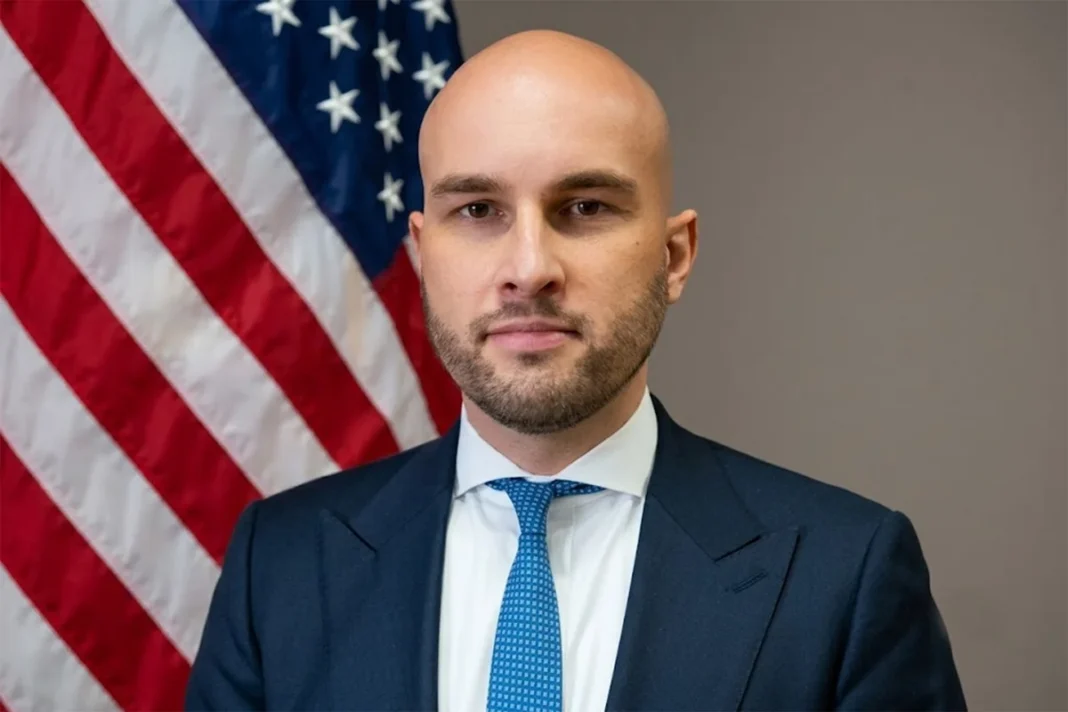
WASHINGTON - The confirmation of Alexander Alden as U.S. ambassador to Azerbaijan has encountered a procedural obstacle in the Senate after Republican Sen. Thom Tillis said he would block efforts to approve the nominee through an expedited process.
Tillis, who represents North Carolina, said he would not allow Alden to be confirmed as part of a broader package of diplomatic nominations before the current Congress ends. The move could delay a final decision until 2027, when a newly elected Congress takes office.
“I’m not letting him through. Period,” Tillis told Semafor reporter Eleanor Mueller, according to Vesti Baku.
The senator said he was not opposed to holding a hearing on the nomination. However, he would not permit Alden to advance with other nominees without separate consideration, making confirmation before the end of the current session significantly more difficult.
Nomination Has Been Pending Since June
President Donald Trump nominated Alden on June 1, 2026, to serve as ambassador extraordinary and plenipotentiary to Azerbaijan.
The nomination was registered as PN1022-2 and referred to the Senate Foreign Relations Committee, according to the Senate’s official nominations database. As of Nov. 13, the Senate had not made a final decision.
Alden has worked in national security and foreign policy and serves as an adviser to Secretary of State Marco Rubio. His recent work in the Balkans, including involvement in diplomatic efforts concerning Bosnia and Herzegovina, has also drawn attention in U.S. media.
Semafor reported that Alden’s activities in the region could lead to additional questions as senators consider his nomination.
What Tillis’ Objection Means
U.S. ambassadors require Senate confirmation. An objection by an individual senator, commonly known as a hold, can slow a nomination by preventing leaders from using routine or unanimous-consent procedures.
The hold does not amount to a formal rejection of Alden’s candidacy. He could still receive a hearing and win confirmation if Senate leaders devote the necessary time to the process and secure sufficient support.
Tillis’ position nevertheless creates a new barrier to completing the appointment before the end of 2026. If the Senate does not act during the current session, the nomination’s future will depend on applicable Senate procedures and decisions made after the new Congress convenes in January 2027.
The political environment is also changing following the Nov. 3 midterm elections, after which the Democratic Party won control of both chambers of Congress. That shift could affect the handling of pending nominations in the next session.
Why the Appointment Matters for Baku-Washington Relations
The delay comes as U.S. diplomatic engagement in the South Caucasus is expanding.
Since the Washington agreements signed by Azerbaijan and Armenia on Aug. 8, 2025, the United States has increased its involvement in discussions on regional transport links and a peace settlement.
A key element is TRIPP, a planned transport route through Armenian territory that is being considered as part of a wider regional communications network. Azerbaijan, Armenia and the United States announced in November that technical groups had begun work on transportation and electricity transmission.
A confirmed ambassador in Baku would provide a permanent senior channel for political dialogue, represent Washington in direct contacts with the Azerbaijani government and help coordinate bilateral cooperation at a time of increased regional activity.
The absence of a Senate-confirmed ambassador does not suspend diplomatic relations or stop joint projects. The U.S. Embassy in Baku continues to operate under a chargé d’affaires.
Tillis’ objection therefore represents a procedural setback for Alden’s appointment, rather than evidence of a broader change in the Trump administration’s policy toward Azerbaijan. The nomination remains pending.