AZE.US
Political confrontation in Armenia has deepened following the country’s parliamentary elections, with opposition groups accusing the government of pressuring political rivals, using administrative resources and pursuing critics through criminal investigations.
Political analyst Zuriya Garayeva says the restrained response from Western institutions to developments in Armenia reflects a broader policy of double standards.
According to Garayeva, Western governments and international organizations have repeatedly issued strong statements about elections and democratic backsliding in Georgia, including warnings about sanctions. Their reaction to arrests and political pressure in Armenia, she argues, has been considerably more muted.
“Pashinyan is building an authoritarian regime under the cover of democracy,” Garayeva said, adding that Western support is encouraging the process.
She claimed that Western governments increasingly view Prime Minister Nikol Pashinyan’s administration as an instrument of geopolitical influence in the South Caucasus.
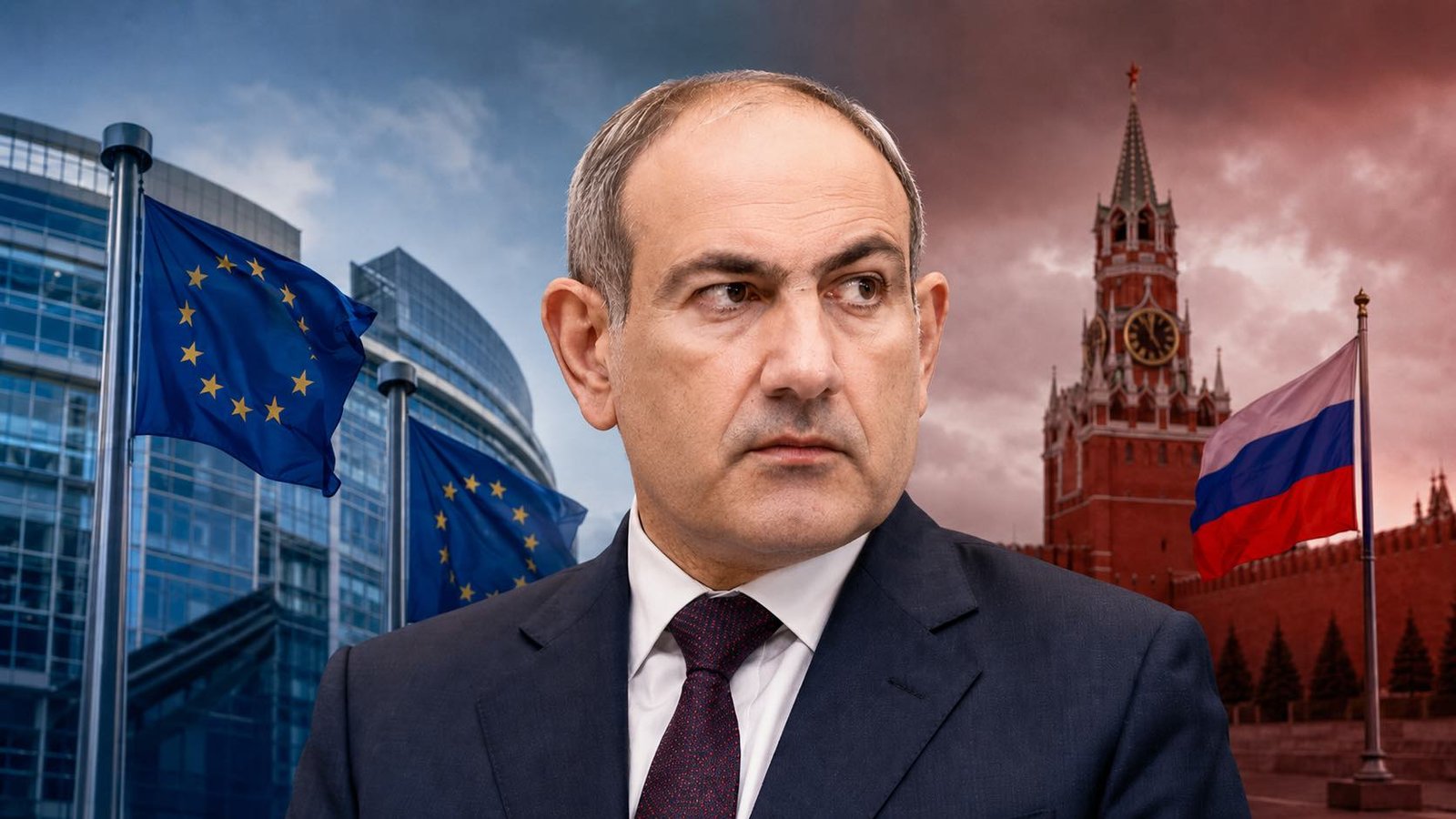
Armenia, once widely described as Russia’s regional outpost, is now gradually becoming a Western outpost, according to the analyst.
Garayeva warned that this approach could deepen domestic divisions, contribute to economic difficulties and create additional security risks. Armenia, she said, is increasingly becoming caught in the geopolitical rivalry between Russia and the West.
Opposition Challenges Election Results
Armenian opposition groups have refused to recognize the election results, alleging pressure on public-sector employees, coercion of voters, misuse of government resources and politically motivated arrests.
The authorities have rejected those claims, insisting that criminal cases involving opposition politicians and activists are connected to alleged corruption, fraud and other illegal activities rather than political competition.
Critics, however, have questioned why many of the investigations and arrests intensified immediately before or after the election campaign.
Independent analysts have argued that the timing of the prosecutions affected the balance of political competition and allowed the government to weaken its opponents through legal procedures rather than at the ballot box.
Opposition representatives have also alleged that government employees, municipal officials and workers at state-funded institutions were pressured to support the ruling party.
They claim that voters faced intimidation at some polling stations and that administrative influence was used to shape the outcome.
International observers reportedly noted that the campaign took place amid sharp political rhetoric, a wave of arrests and concerns about selective justice.
Tensions Continue After the Vote
Political tensions intensified further after new criminal proceedings were launched against prominent opposition figures following the election.
Opposition groups have described the investigations as an attempt by the government to neutralize political rivals and prevent the emergence of a credible alternative to Pashinyan’s administration.
Some political analysts believe Pashinyan’s governing model is now relying less on the broad public support that brought him to power and more on control over state institutions and the weakening of political opponents.
While Armenia formally retains democratic institutions, critics say the authorities are introducing mechanisms that increasingly restrict genuine political competition.
Pashinyan has also portrayed opposition groups as a threat to Armenia’s security and future, accusing them of seeking to return the country to confrontation with Azerbaijan.
The opposition, meanwhile, is attempting to challenge the election results through legal and political means.
Analysts expect the confrontation to continue growing, warning that new prosecutions, hostile political rhetoric and the opposition’s rejection of the election results could further deepen public distrust and Armenia’s internal political crisis.
AZE.US