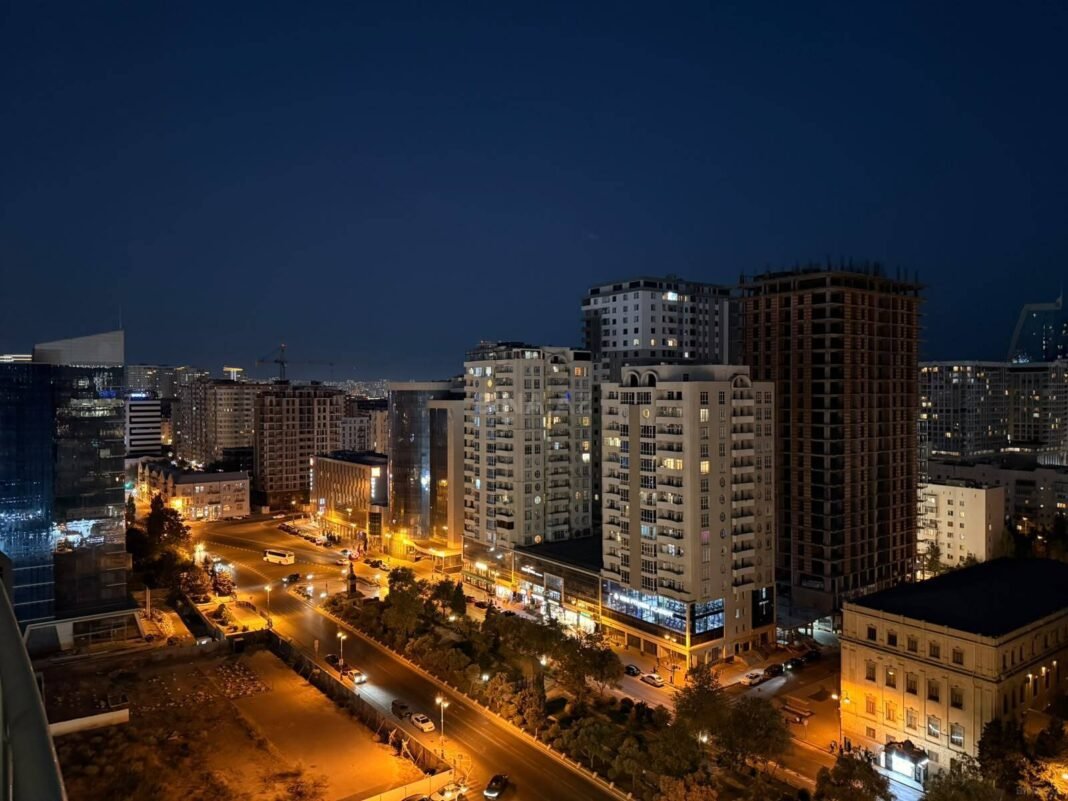
BAKU - Housing construction in Baku is slowing while prices for apartments in new developments continue to rise, with the cost of new homes in some parts of the capital roughly doubling since 2020, according to a Vesti Baku report.
In suburban areas, prices for newly built housing have risen by about 40% to 50% over the past five years, the report said.
Data from Azerbaijan’s State Statistical Committee show that activity in the country’s construction sector has declined by 6.18%. Demand for apartments remains high, however, while the supply of new properties is limited.
Real estate expert Elnur Farzaliyev said the trend is driven mainly by tighter construction requirements and insufficient competition among developers.
Why Baku Is Building Less Housing
Farzaliyev said the rules for new residential complexes became significantly stricter after 2018, when responsibility for issuing construction permits was transferred to the State Committee for Urban Planning and Architecture.
Developers must comply with standards covering the size of land plots, distances between buildings and other construction parameters. Those requirements have reduced the number of sites where high-rise residential buildings can be developed.
Farzaliyev said construction volumes have fallen severalfold by some measures, and in certain cases the decline has been as much as tenfold.
The additional requirements also raise developers’ costs, which are then reflected in apartment prices, he said.
New-Build Prices Have Doubled in Some Districts
The sharpest changes have been recorded in Baku’s primary housing market. Farzaliyev estimated that apartment prices in new developments in some districts of the capital have roughly doubled since the beginning of 2020.
The increase has also reached suburban areas, where prices for newly built housing have climbed by approximately 40% to 50% over the past five years.
Farzaliyev cited weak competition as another factor. When fewer new projects enter the market, buyers have fewer options and developers face less pressure to lower prices.
What Could Happen Next
A decline in construction while demand remains steady creates conditions for further price increases. Higher prices do not necessarily mean that households have greater purchasing power; the market can become more expensive even as homeownership grows less affordable.
If the number of new residential projects does not increase, the gap between supply and demand could continue to widen.
The central challenge for Baku’s housing market is therefore not only the price per square meter but also the limited choice of affordable homes. Without an expansion in supply, a sustained decline in prices will be difficult.
The original report included a video discussion of the housing market.