Residents of Azerbaijan’s mountain and foothill communities face a serious winter problem: heating costs are becoming unaffordable for many rural families.
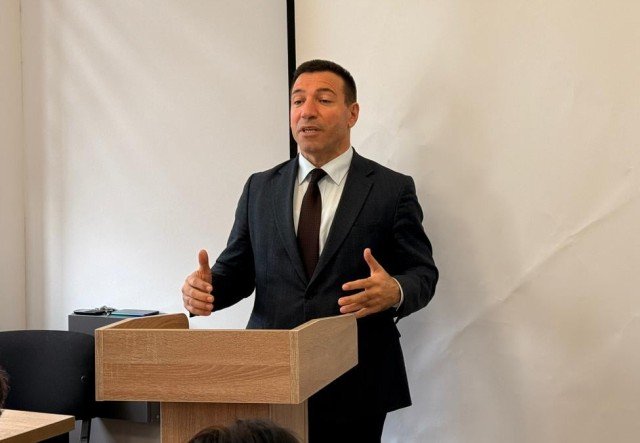
With incomes comparatively low, existing limits on gas and electricity consumption force some households to buy additional heat sources, including firewood, sociologist Uzeyir Shafiyev said. He called for tariff policy to reflect regional climate conditions and household income.
Shafiyev said the issue is not merely the price of gas or electricity. It is closely connected to regional living standards and the continuing movement of people toward Baku.
Families May Spend an Extra 1,000 Manats
People in mountain settlements regularly complain about high heating bills during the cold season, Shafiyev said. Some families with limited means must buy firewood and other fuel, spending about 1,000 manats in addition to their utility costs. That is a substantial burden for a rural household.
He pointed to the income gap between the capital and the regions. By his estimates, the average monthly salary in Baku is about 1,400 manats, while earnings in the regions are often between 500 and 700 manats. Mountain residents also need more energy to heat their homes through longer periods of cold weather.
The result, he said, is that lower-income families may face higher heating costs.
Proposal to Adjust Winter Limits
Shafiyev proposed a differentiated tariff system. During the winter, gas and electricity consumption limits could be temporarily lifted or revised for mountain and foothill settlements.
Applying the same rules to residents of Baku, lowland areas and high mountain villages fails to account for genuine differences in climate and financial resources, he said.
Azerbaijan already uses territorial mechanisms for government support. Tax and social benefits apply to certain categories of residents in Karabakh, East Zangezur and Nakhchivan. Shafiyev said a similar principle could guide energy tariffs in other regions.
He also suggested a seasonal approach for the country’s hottest areas, where electricity use rises sharply in summer because of air conditioning.
Costly Rural Life Drives Migration
The sociologist linked heating costs to the broader pattern of internal migration. He estimated that roughly 15,000 to 20,000 people moving from other parts of the country register in Baku each year.
Declining village populations create additional risks for agriculture and regional economies, he warned. Azerbaijan wants to expand agricultural production and reduce its dependence on imported food, but that will be harder if rural life becomes economically unattractive.
Government policy should take account not only of the energy system’s needs but also of what citizens can realistically afford, Shafiyev said. A resident of a mountain village earning 500 to 700 manats should not face an impossible financial choice simply to keep a family warm.
Parliament has begun discussing possible revisions to consumption limits for socially vulnerable groups, including mountain residents, he said. For now, however, these remain proposals. No decision has been announced to lift or change the existing limits for such communities.
Source: Vesti Baku.