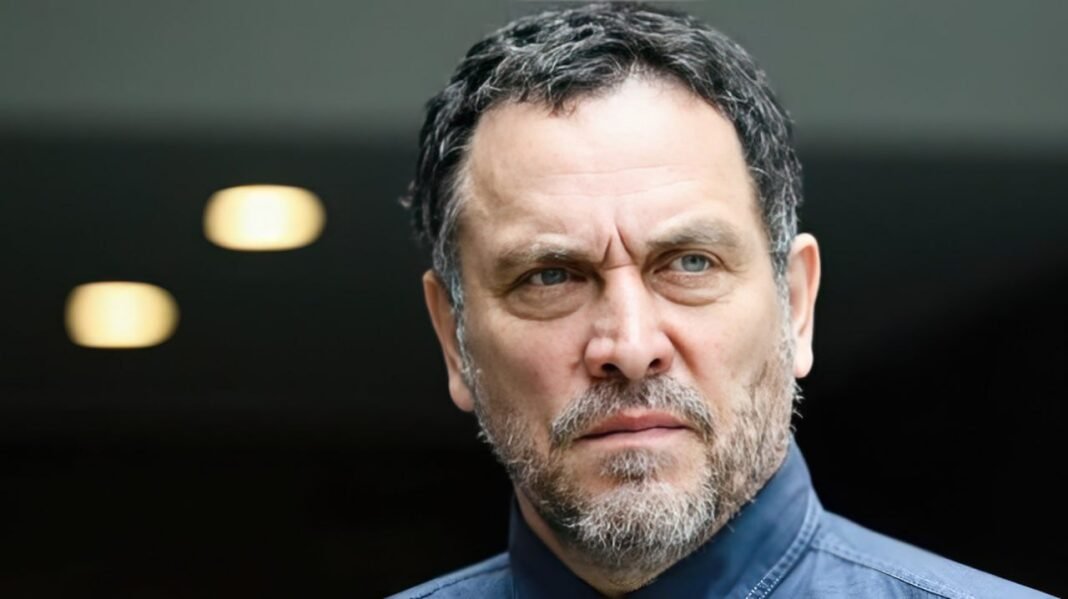
Armenia’s proposed new constitution could become more than a legal reform, opening a path to a peace treaty with Azerbaijan, normalized relations with Turkey and renewed regional economic cooperation, Russian journalist and political analyst Maxim Shevchenko said.
Shevchenko discussed the proposed reform with historian and journalist Elmar Huseynov on the Boiling Point program on the Vestnik Kavkaza YouTube channel, according to Vesti Baku.
He said Prime Minister Nikol Pashinyan is attempting something broader than revising Armenia’s basic law: reorienting Armenian statehood away from historical territorial ideas and toward development within the country’s internationally recognized borders.
Karabakh and the Constitutional Debate
The most consequential change in the draft published Nov. 23 is the removal of a reference to Armenia’s 1990 Declaration of Independence. That document refers to a decision on uniting Armenia and Nagorno-Karabakh.
Baku has repeatedly said the reference in Armenia’s current constitution is incompatible with a final peace settlement. Shevchenko said the Karabakh conflict kept Armenia for decades within a political model built on historical claims and expectations of outside support.
In his assessment, the events of 2020 and 2023 forced Armenian society to reconsider earlier assumptions about the country’s capabilities and future.
Shevchenko also highlighted that the Republic of Armenia never formally recognized the independence of the self-proclaimed entity in Karabakh. He said this revealed a contradiction between nationalist rhetoric and Yerevan’s actual state policy, one Pashinyan is now trying to address at the constitutional level.
Why the Reform Could Benefit Armenia
Shevchenko rejected claims by Pashinyan’s opponents that the draft constitution was written under Azerbaijani dictates. He argued that the prime minister is acting primarily to preserve and strengthen Armenian statehood.
Armenia’s residents have a greater interest in peaceful relations with neighboring countries than some political groups outside the country that continue to view Karabakh through historical and nationalist ideas, Shevchenko said.
He pointed specifically to the Armenian diaspora. People living in Russia, Europe or the United States, he said, can perceive the conflict’s consequences differently from citizens living in Armenia.
In that context, he cited proposed electoral changes that would impose stricter residency requirements on citizens who want to vote. Such limits, he said, could reduce the influence of politically active diaspora members who live permanently outside Armenia.
Peace With Azerbaijan and an Opening to Turkey
One of the most important results of Armenian-Azerbaijani normalization could be the opening of the Armenia-Turkey border, Shevchenko said. He described the two processes as closely connected.
A settlement with Azerbaijan could create conditions for restored transportation, trade and freedom of movement between Armenia and Turkey. Shevchenko also emphasized the human dimension of reconciliation.
Open borders could allow descendants of Armenians who left the territory of modern Turkey in the early 20th century to visit historic places, religious sites and ancestors’ graves more freely. Similar opportunities could eventually become available to Azerbaijanis whose families came from present-day Armenia and to Armenians who once lived in Azerbaijan.
Restoring such contacts could be as important as formal diplomatic agreements, he said.
History, Symbols and State Borders
The discussion also addressed Armenian national symbols, including Mount Ararat, which is in Turkey. Shevchenko said historical and cultural symbols do not have to become the basis for territorial claims.
A people can preserve the memory of its past, honor historical monuments and maintain cultural ties without questioning the internationally recognized borders of neighboring states, he said. Such a distinction, he argued, is essential for lasting peace in the South Caucasus.
TRIPP and Regional Economics
Shevchenko described the proposed TRIPP transport project through Armenia as an important element of the new regional landscape. He said its significance extends beyond providing a connection between mainland Azerbaijan and Nakhchivan.
The corridor could become part of a route linking Central Asia, the South Caucasus, Turkey and European markets. Armenia’s participation in international logistics projects would create economic incentives for stable relations with its neighbors, he said.
Transportation links, trade and investment could build a system of mutual interests in which renewed armed conflict would become costly for all participants. Shevchenko said Pashinyan is attempting to link Armenia’s long-term security to that model of regional cooperation.
From Confrontation to Coexistence
Shevchenko said it was wrong to assume that historical conflict must inevitably define relations among the peoples of the South Caucasus. Armenians, Azerbaijanis, Georgians, Turks and other regional communities maintained commercial, cultural and personal ties for centuries despite political disputes, he said.
Modern states should seek to restore those relations rather than reproduce past conflicts. That does not mean ignoring historical tragedies or abandoning national memory, he said, but separating historical narratives from practical state policy.
The proposed constitution remains a draft and will still require domestic political procedures and public approval. Shevchenko’s central conclusion was that it could help Armenia move from a policy of historical claims toward a state model based on cooperation with its neighbors.
For Azerbaijan, he said, the new constitution matters because it could remove constitutional obstacles to a peace agreement. For Armenia, it could offer a way to strengthen independence, broaden economic links and build a more stable future.