By AZE.US
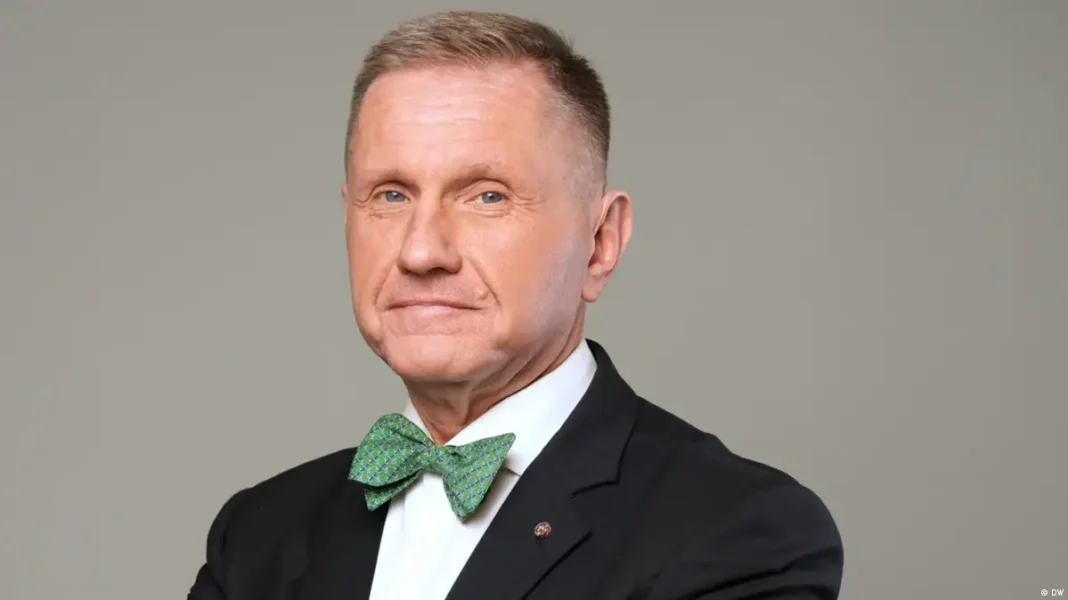
Russia’s parliamentary election will not change Moscow’s approach to Azerbaijan and Armenia because decisions on foreign policy remain concentrated around President Vladimir Putin, journalist and Deutsche Welle commentator Konstantin Eggert said on Pressclubs TV.
Speaking on Current Topic, a program produced by the joint media platform of the Baku and Yerevan press clubs, Eggert said the new State Duma was unlikely to act independently on questions of foreign policy or security. In his view, the parties represented in parliament offer no meaningful alternative to the Kremlin’s course.
The ruling United Russia party was projected to win 355 of the Duma’s 450 seats after the September 18-20 election. The federal list of the anti-war Yabloko party was removed from the ballot, although some of its candidates continued to run in individual districts. Russia did not invite election observers from the Organization for Security and Co-operation in Europe.
Eggert argued that Moscow has also struggled to adapt to changes in the South Caucasus. Russian officials, he said, often view Azerbaijan, Armenia and Georgia through assumptions formed when they were Soviet republics, overlooking shifts in public attitudes and the priorities of a new generation.
In Eggert’s assessment, Russia’s influence across the region is declining as its governments seek other partners. He pointed to President Ilham Aliyev’s willingness to distance Azerbaijan from Moscow when Baku considers it necessary. Russia has fewer tools to pressure Azerbaijan than it does Armenia, he said.
Eggert identified gas supplies and railway infrastructure among the remaining Russian levers in Armenia. He suggested Moscow could consider using them if Yerevan takes further formal steps toward European Union membership.
He also warned that a substantial expansion of Armenian or Azerbaijani cooperation with Western security institutions could prompt a harsher response from Moscow.
For Azerbaijan, his central point was that the balance of seats in the Duma matters less than how the Kremlin responds to South Caucasus states pursuing their own foreign policies.
AZE.US