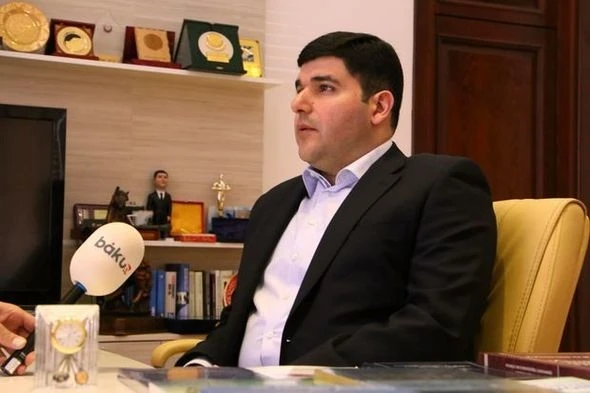
BAKU, Azerbaijan - Azerbaijani political analyst Farhad Mammadov says relations between Baku and Ankara are going through an “emotional crisis” as the two allies debate how closely they should coordinate policies without infringing on each other’s sovereignty.
In a post on his Mneniyefm Telegram channel, summarized by Vesti Baku and published in full by 1news.az, Mammadov said the current public disputes should remain rhetorical and not produce decisions that damage bilateral cooperation.
He identified three subjects driving the latest tensions: discussion in Turkey of Azerbaijan’s relations with Israel, Turkish criticism of Azerbaijan’s school-uniform rules, and concern in Azerbaijan about Turkey’s rapprochement with Armenia.
Mammadov argued that those disagreements have not displaced the main pillars of the alliance, including trade, energy and infrastructure projects, defense cooperation and coordination in international organizations.
Where Coordination Ends
The central issue, he said, is where allied coordination ends and interference in sovereign decision-making begins. In his view, the well-known formula “one nation, two states” reflects both the countries’ close ties and their right to pursue separate domestic and foreign policies.
Mammadov rejected comparisons between Turkey’s normalization with Armenia and Azerbaijan’s relations with Israel. He said Armenia had occupied Azerbaijani territory, while no comparable territorial issue exists between Turkey and Israel.
He described Azerbaijan’s ties with Israel and its school-uniform regulations as sovereign matters for Baku. Public demands from Turkish officials, politicians or public figures for Azerbaijan to change those policies amount to pressure, he argued.
A Test for the Alliance
Mammadov said Turkish foreign policy under President Recep Tayyip Erdoğan has acquired a stronger ideological component, while Baku has sought to keep the relationship pragmatic while recognizing its historical and emotional dimension.
He called the partnership with Azerbaijan one of Turkey’s regional success stories and said Baku had contributed financial, energy and organizational resources to strengthening it.
As a precedent, Mammadov cited the 2009 dispute over efforts to normalize relations between Turkey and Armenia, saying it showed that the alliance could withstand serious disagreements.
He warned against allowing increasingly sharp public statements to turn into government decisions affecting bilateral cooperation. Responses have already come from Azerbaijan’s ruling party and the parliamentary friendship group, he noted.
Mammadov said the immediate task is to define the lowest point of the dispute and begin recovering from it, with both sides recognizing that close allied relations do not give either government authority over the other’s sovereign policies.