AZE.US
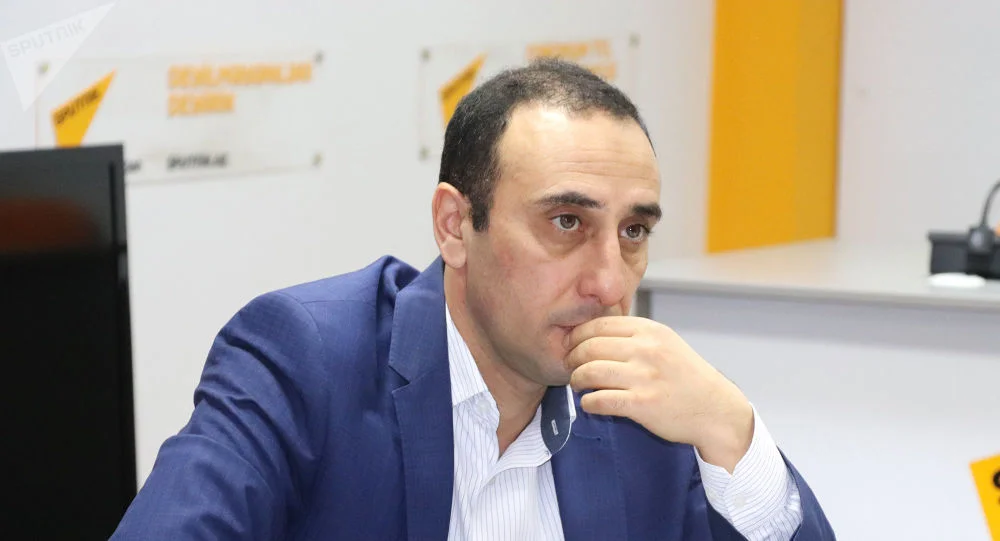
Military pressure on Iran may be producing the opposite of its intended outcome, strengthening internal cohesion rather than weakening the political system, according to Azerbaijani political analyst Rizvan Huseynov.
Speaking in an interview on the analytical platform Daily Europe Online, Huseynov said attempts to force political change in Iran through military means appear to have stalled and could further radicalize the country’s leadership and society.
Pressure strengthens internal unity
According to the analyst, external military pressure historically tends to consolidate societies around their governments, even when domestic divisions previously existed.
“In such situations, the population usually rallies around the state. Instead of weakening the system, military attacks can reinforce the legitimacy of the leadership,” Huseynov said.
He noted that the elimination of high-ranking figures often leads to their symbolic elevation, turning them into martyrs in the public narrative and strengthening ideological mobilization inside the country.
Energy routes remain central
Huseynov argued that the underlying geopolitical dispute around Iran extends beyond concerns over its nuclear program.
He believes one of the key strategic goals for Washington is to secure influence over global energy transit routes, particularly the flow of oil and gas through the Persian Gulf and the Strait of Hormuz – one of the world’s most critical maritime corridors for hydrocarbons.
“The issue is not limited to nuclear policy. Control over energy transit routes remains a central geopolitical factor,” he said.
Military campaign may prolong instability
The analyst also warned that expectations of a quick military outcome are unrealistic.
Initial assumptions that pressure on Iran could lead to rapid political change have not materialized, and prolonged conflict scenarios are increasingly being discussed.
“Such conflicts rarely end quickly when the initial objectives are not achieved,” he said.
Regional implications
Huseynov noted that the ongoing escalation is influencing political perceptions across the Middle East and neighboring regions.
He added that in periods of global uncertainty, states increasingly rely on military and political alliances rather than purely economic partnerships to ensure security.