AZE.US
The detention of an Uzbek self-styled healer in Azerbaijan has triggered public debate over pseudomedicine, public gullibility and the role of media in shaping social attitudes.
The detention of a self-styled Uzbek “healer” in Azerbaijan has sparked a wider debate over pseudomedicine, public trust and the spread of anti-scientific beliefs.
According to local reports, the man had been offering supposed treatment sessions in which he allegedly spat on patients’ faces or painful areas, shouted at them and at times used physical force. Reports said hundreds of people lined up daily to see him, paying around 60 manats per visit.
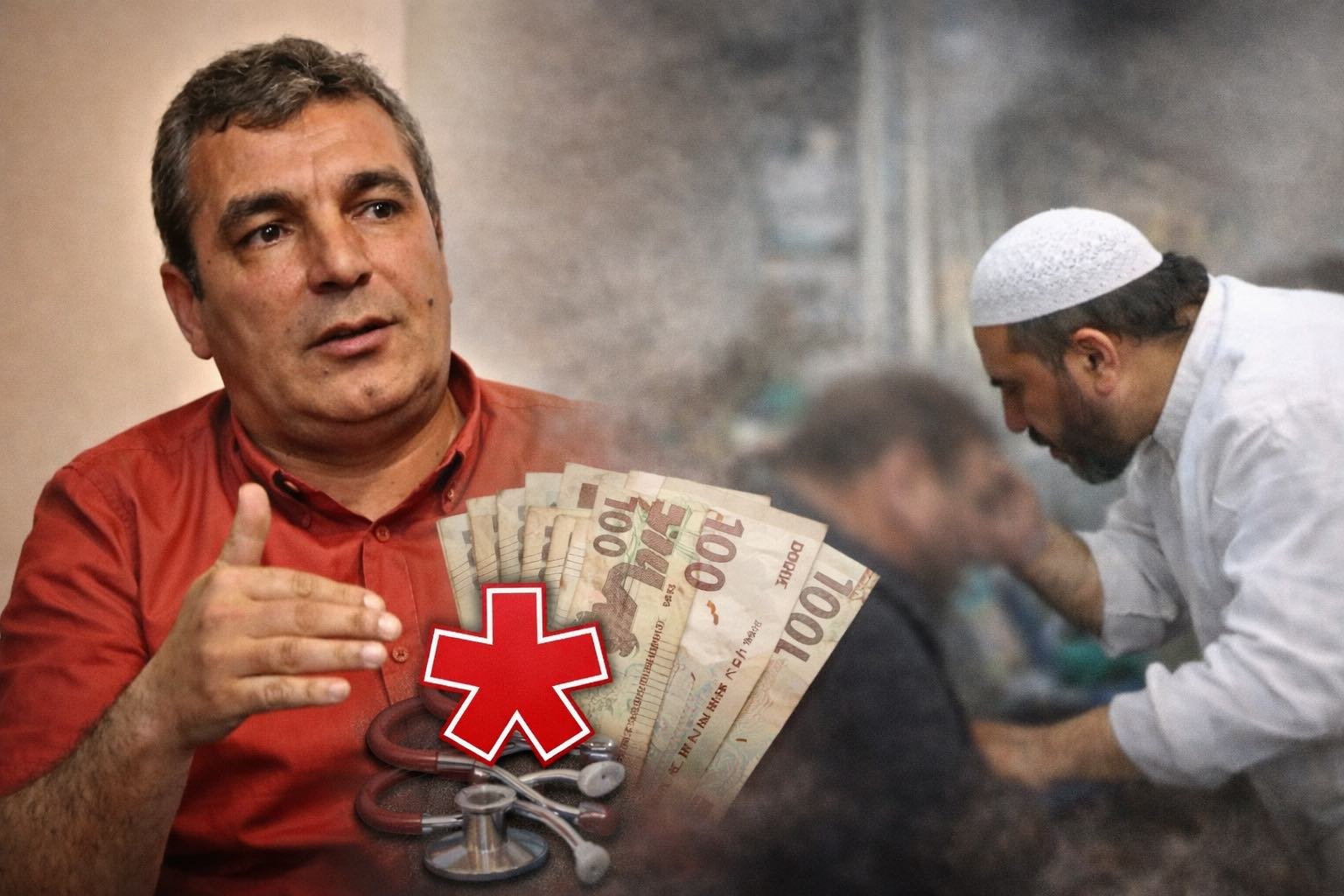
The case drew a sharp reaction from REAL party chairman Natig Jafarli, who argued that the problem goes beyond one individual and reflects deeper issues in society.
In a Facebook post, Jafarli mocked the idea that people could believe such methods had healing power. He also suggested that responsibility should not be placed on the alleged healer alone, but on a wider system that, in his view, has failed to promote critical thinking.
Jafarli wrote that if authorities were going to punish the man, they should also “fine those who went to him,” along with school officials, education policymakers and television channels “that numb people’s minds.”
His remarks quickly drew attention online, where the story prompted broader discussion about the popularity of unverified treatment methods and the vulnerability of some patients to manipulation.
The incident has also renewed debate over the role of education, media literacy and public awareness in preventing the spread of pseudomedical practices.
While unusual healing claims and folk remedies are not new in the region, the scale of public interest described in this case has fueled concern about how easily desperate or uninformed people can be drawn to dangerous and humiliating forms of so-called treatment.
For many commentators, the scandal is no longer just about one detained healer. It has become a reflection of a deeper social problem - the gap between modern healthcare, public understanding and the persistence of irrational belief.