AZE.US
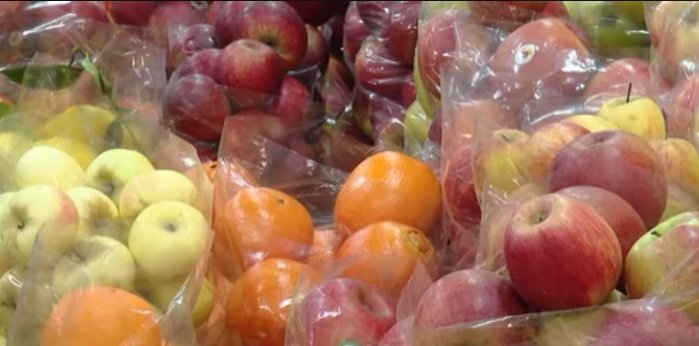
Shoppers at markets across Azerbaijan are increasingly encountering imported fruits and vegetables instead of the locally grown produce that once dominated stalls.
Not long ago, markets were known for regional specialties such as Khachmaz tomatoes, Guba apples, Zagatala hazelnuts and Sabirabad watermelons. Today, many buyers say these products are becoming less common, replaced by imports from neighboring countries and beyond.
Vendors confirm that imported goods now make up a significant share of the produce on sale.
“Most of what you see here comes from abroad,” one seller said, pointing to boxes of fruits and vegetables stacked at a market stall. “Local products are limited - cabbage, carrots and a few others.”
Agricultural experts say the trend reflects a combination of economic, climatic and infrastructural challenges facing domestic agriculture.
Economist Razi Abbasbeyli notes that one of the major problems is the lack of modern cold storage facilities. Without sufficient storage capacity, farmers are often forced to sell their harvest during peak season at very low prices.
As a result, producers struggle to maintain stable revenues, which reduces incentives for expanding production.
“The absence of adequate storage facilities leads to oversupply during harvest periods and sharp price drops,” Abbasbeyli said. “Later in the year, domestic supply falls and the market becomes dependent on imports.”
Imported products can also sometimes be cheaper than locally grown alternatives, making it even harder for Azerbaijani farmers to compete.
According to analysts, agricultural output in Azerbaijan has recently shown signs of decline. Crop production has reportedly fallen by about 6 percent over the past two years, while production of some strategic food products, including potatoes and sunflower seeds, has also decreased.
Experts argue that reversing the trend will require long-term planning and modernization in the agricultural sector. Measures could include improved irrigation systems, better soil management, wider use of modern farming technologies and greater state support for farmers.
At the same time, some specialists say the situation may gradually improve as large agricultural projects are developed in Azerbaijan’s recently restored territories, which could increase domestic production and strengthen the country’s food security in the coming years.