AZE.US
Up to 90 percent of Iran’s missile infrastructure may have been destroyed during recent military strikes, significantly reducing the country’s ability to carry out large-scale attacks, Azerbaijani political analyst Murad Saddadinov said.
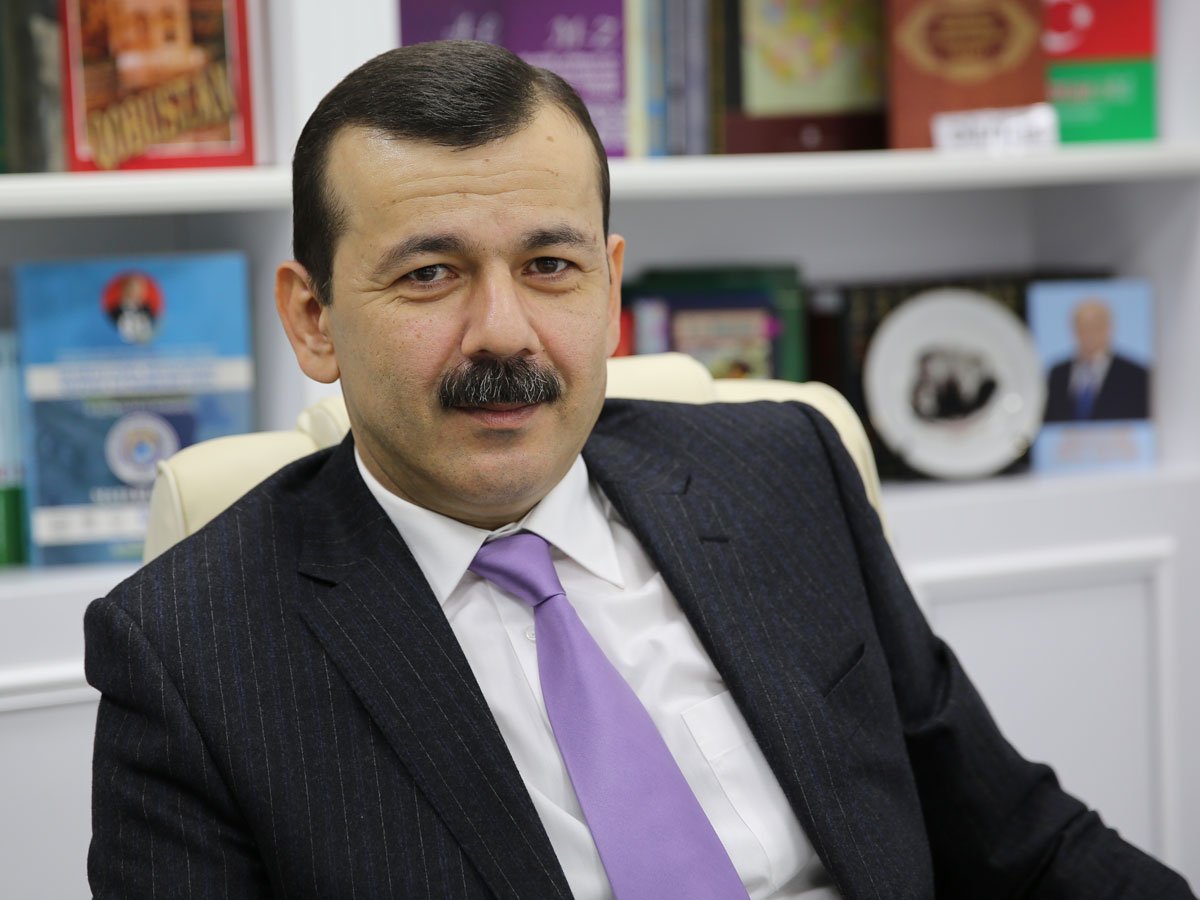
Speaking in an interview with the Daily Europe Online channel, Saddadinov said the operation targeting Iranian military facilities has caused major damage to the country’s missile program in a short period of time.
“If we look at the available figures, we can see that roughly 90 percent of Iran’s missile program has already been destroyed,” the analyst said, referring to data cited from open military sources.
He also claimed that Iran’s drone capabilities had been severely affected. According to his estimates, around 80-83 percent of the infrastructure used for deploying drones has been eliminated.
Saddadinov argued that the goal of the strikes is not a ground invasion of Iran but rather the systematic weakening of the regime’s security and military apparatus.
In particular, he said, attacks have focused on facilities linked to the Islamic Revolutionary Guard Corps (IRGC) and affiliated security structures such as the Basij, which play a key role in maintaining internal control within the country.
The analyst also noted that it may be too early to draw final conclusions about the outcome of the operation. According to him, the initial timeframe for the military campaign was estimated at four to six weeks, while only a short period has passed since the start of the strikes.
He added that the frequency of Iranian missile and drone launches appears to be decreasing, suggesting a weakening of the country’s operational capabilities.
Saddadinov said modern surveillance technologies make it easier to detect launch activity.
“Each missile launch leaves a thermal signature that satellites can detect. The coordinates are then transmitted to aircraft in the area, allowing launch sites to be targeted quickly,” he explained.
Analysts say the next phase of the conflict will largely depend on whether Iran can rebuild its military capabilities and maintain internal stability amid continuing pressure on its security structures.