AZE.US
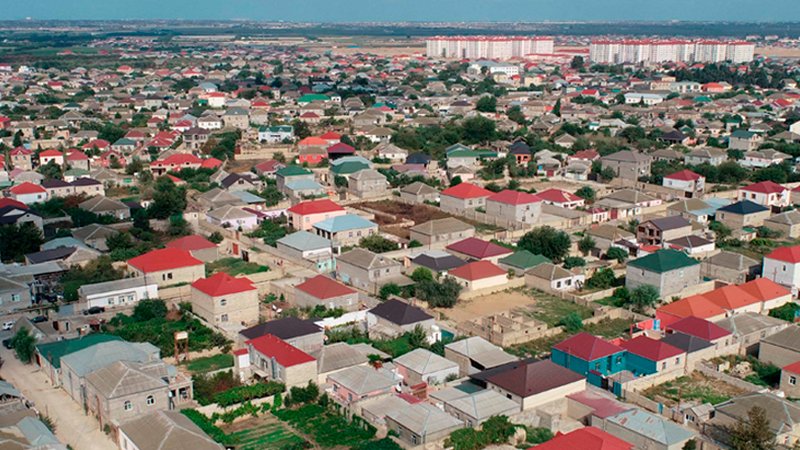
Azerbaijan is moving into a new phase in the long-running effort to legalize thousands of individually built homes that still do not have official title deeds.
According to the Cabinet of Ministers’ 2025 activity report submitted to parliament, six types of documents have now been granted legal status as grounds for obtaining a property extract, offering new hope for residents who have spent years living in homes without full legal recognition.
For many families, the issue has gone far beyond a technical paperwork problem. The absence of title documents has made it difficult not only to sell or officially register homes, but also to resolve everyday issues linked to legal residence, access to services and property rights.
One of the biggest complications has been registration. Without an official property extract, residents often face obstacles in dealing with basic state services, including healthcare and education-related matters.
MP Tahir Rzayev said one of the main reasons some homes still cannot receive official documents is that they were built in unsafe areas. He pointed to houses located under high-voltage power lines, near oil and gas pipelines, or close to railway tracks, saying such properties cannot be legalized because of safety concerns.
In other cases, the main problem is incomplete or inconsistent paperwork. Officials say that in order to confirm ownership rights, documents related to the land plot, the building itself and mapping materials must be brought together as part of the process.
According to the explanation given in the report and in official commentary, the required package includes documents on the land plot, papers related to the construction of the house, map or layout materials, and technical documents related to the structure. Authorities say citizens have repeatedly been advised to collect these materials in order to begin the formalization process.
Experts say the new mechanism could become an important stage in addressing the long-standing problem of undocumented housing. If implemented effectively, it may allow homes that have been occupied for years in practice to gradually gain official legal status.
That, in turn, could help protect property rights and make transactions such as registration, purchase and sale more transparent and legally secure.
At the same time, homes located in dangerous areas are expected to remain a separate and more complicated category, as those cases involve not only ownership questions but also public safety concerns.