AZE.US
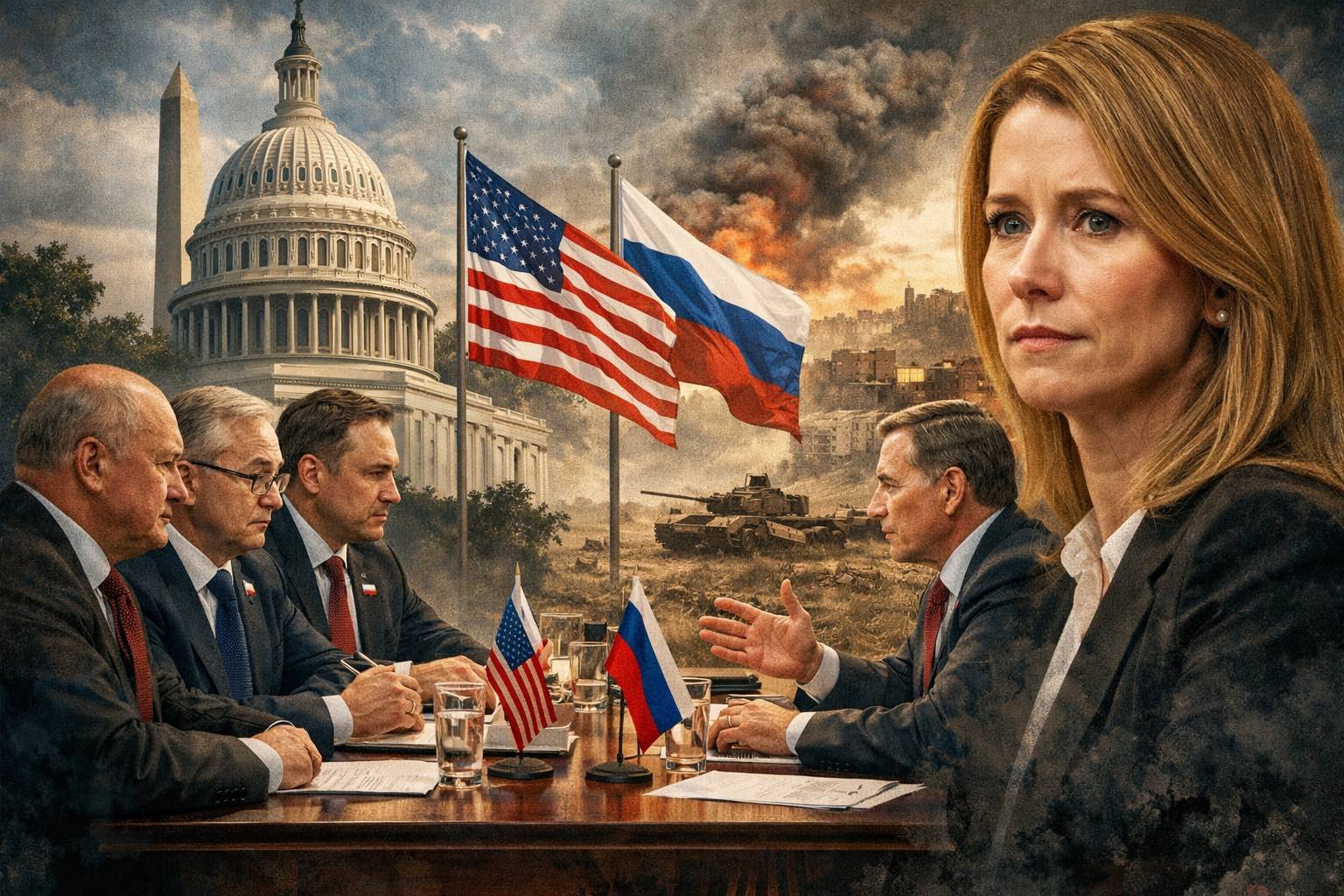
A delegation of Russian State Duma lawmakers has arrived in Washington for the first such visit in years, opening a new and politically sensitive channel between the United States and Russia at a time when the war in Ukraine remains unresolved and the wider geopolitical picture is growing more unstable.
Reuters reported on March 26 that the visit was approved by the U.S. State Department and that the Russian lawmakers are expected to meet U.S. lawmakers and officials over two days. Among those named is Vyacheslav Nikonov, a senior member of Russia’s parliament.
The visit matters not because it signals any breakthrough, but because it shows that Washington and Moscow are once again willing to test direct political contact after years of deep freeze following Russia’s 2022 invasion of Ukraine.
Reuters described the trip as part of a broader thaw in ties under Trump’s renewed administration, which has been trying to move forward with talks on ending the war. That alone makes the optics significant: Russia is no longer being treated only as an isolated adversary, but also as a negotiating party whose position Washington is actively probing.
For Ukraine, the timing is deeply uncomfortable. Reuters separately reported that President Volodymyr Zelenskiy said the U.S. position had linked future security guarantees to Kyiv’s willingness to cede the Donbas region to Russia, a formulation that immediately raised alarm in Kyiv and across Europe. Russia welcomed those remarks, with Russian envoy Kirill Dmitriev calling them encouraging, while Zelenskiy insisted that Donbas remains central to Ukraine’s security and that any settlement would require credible guarantees against renewed aggression.
That is why the Russian lawmakers’ presence in Washington is being read as more than a symbolic exchange. It lands at a moment when the White House appears to be testing how far a negotiating track with Moscow can go, even as the battlefield issues remain unresolved and even as pressure is building from other crises, especially the war involving Iran.
Reuters reported that the Kremlin has said it hopes for a new round of talks with the United States on Ukraine “as soon as conditions allow,” underscoring that Moscow sees this as an opening rather than a courtesy visit.
For Europe, the signal is equally unsettling. EU foreign policy chief Kaja Kallas warned on March 26 against pushing Ukraine into territorial concessions, calling such demands part of the “Russian playbook.” Her remarks reflected a broader fear in European capitals that a U.S.-Russia negotiating push could move faster than Europe or Ukraine is comfortable with, especially if Washington is looking for ways to reduce pressure on multiple fronts at once.
The broader implication is straightforward. This is not a peace deal, and it is not even a formal negotiating breakthrough. But it is a sign that direct contact is returning to the U.S.-Russia relationship in a more visible form. In wartime diplomacy, that kind of shift usually means one thing: the argument is moving from whether there will be talks to what price each side will try to extract when they happen.