AZE.US
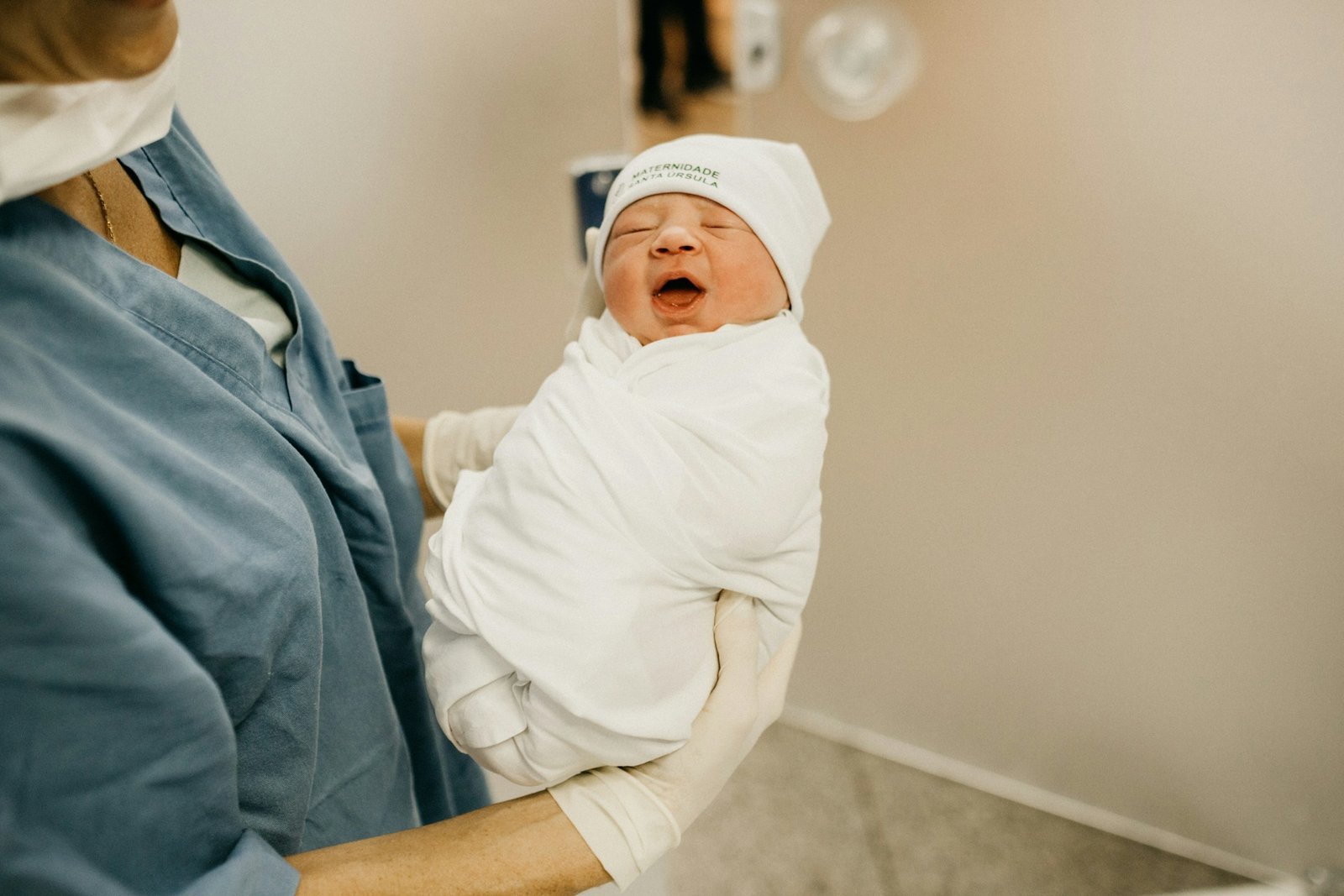
Azerbaijan’s birth trend has moved sharply downward over the past decade, and the shift is no longer easy to dismiss as a temporary fluctuation. Official statistics show that the number of live births fell from 166,210 in 2015 to 102,310 in 2024, a drop that helps explain why the country’s demographic debate has become more urgent.
The immediate explanation is not especially mysterious. For many young couples, parenthood now looks less like the natural next step and more like a financial risk. Rising living costs, pressure around housing, and the wider gap between what families earn and what stable family life actually costs have all made the decision to have children more difficult.
Azerbaijan’s official data for 2025 also showed continued inflation and an average monthly nominal salary of 1,102.9 manats, underscoring the economic backdrop against which these choices are being made.
But money is only part of the story. The deeper change is cultural. Younger adults across much of the region are marrying later, postponing major commitments, and placing more value on personal stability, mobility, and a manageable standard of living before starting a family. In Azerbaijan, that global pattern now appears to be feeding directly into the local birth slowdown rather than sitting at the margins of it.
The State Statistical Committee’s own 2025 updates showed births continuing to decline in early and mid-2025 compared with the same periods a year earlier.
The bigger concern is what comes next. A sustained drop in births does not just reshape family life; it eventually reaches schools, the labor market, and the long-term age structure of the country. That is why demographic decline is starting to be discussed less as a private social trend and more as a strategic issue. If fewer children are born year after year, the effects will show up first quietly, then everywhere.
That leaves Azerbaijan facing a familiar modern dilemma: people are not necessarily rejecting family as an idea, but they are becoming far more selective about when, and under what conditions, they are willing to build one.
Until those conditions feel more secure, the country’s falling birth numbers are likely to remain more than a statistical warning - they will read as a measure of public hesitation about the future itself.