AZE.US
The war around Iran widened further on March 29, as military escalation, oil market panic and last-minute diplomacy all intensified at once. Reporting from Reuters suggests the conflict is no longer defined only by direct strikes and missile exchanges involving Iran, Israel and the United States. It is now spreading across multiple regional fronts while governments scramble to prevent a deeper breakdown.
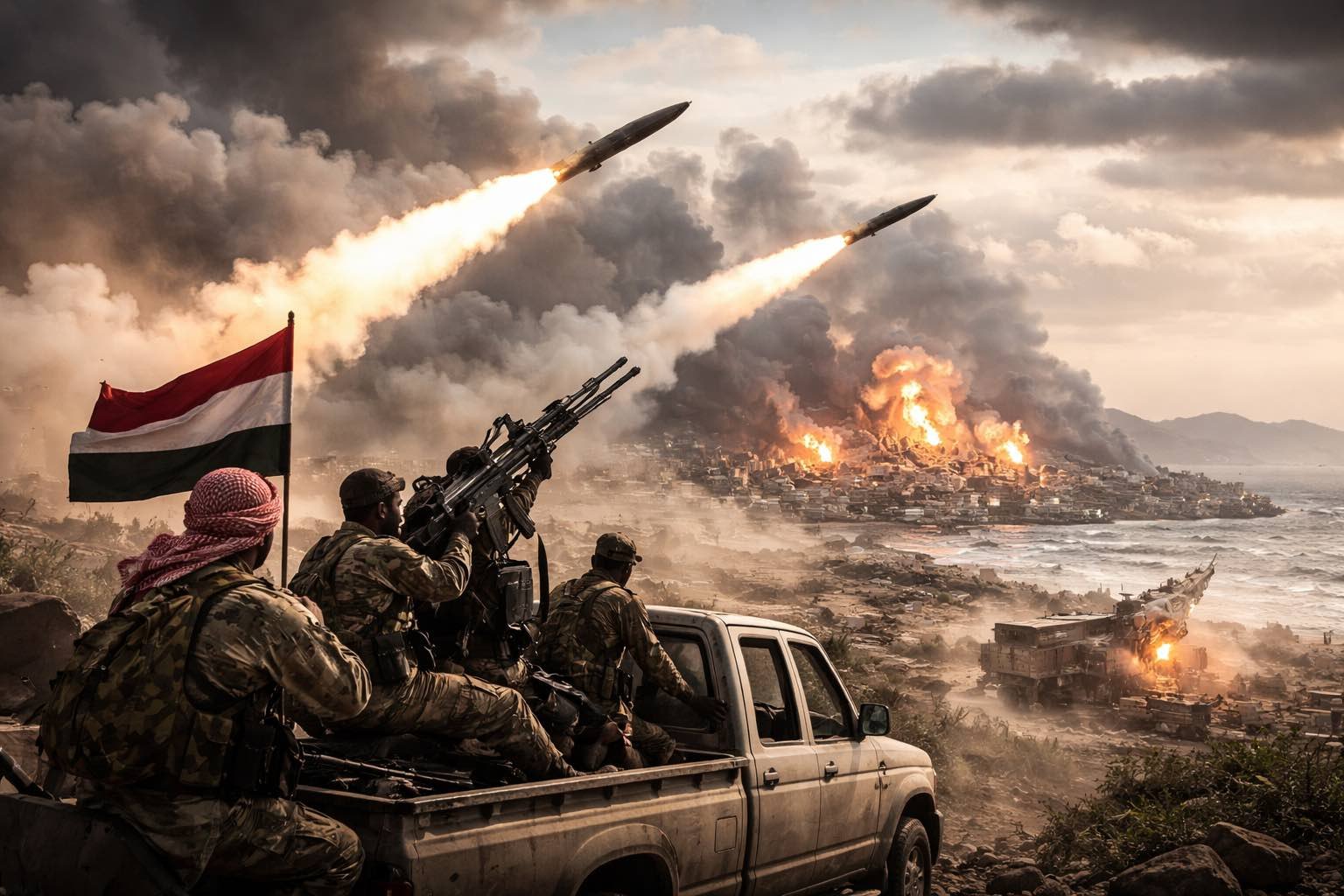
One of the sharpest new turns came from Yemen. Reuters reported that oil prices jumped after Iran-aligned Houthi forces launched attacks on Israel, with Brent climbing above $115 a barrel and U.S. crude moving above $102. AP said the Houthis’ entry into the conflict opens a new front and raises fresh concerns over shipping routes through the Bab el-Mandeb Strait, one of the world’s most important trade chokepoints.
At the same time, Israel is widening its campaign on the Lebanese front. Reuters said Prime Minister Benjamin Netanyahu ordered an expansion of operations in southern Lebanon after renewed Hezbollah rocket fire. That move underlines how the Iran war is increasingly being fought through allied forces and overlapping theaters rather than through a single battlefield.
Diplomacy, however, is still moving in parallel. AP reported that Pakistan has offered to host U.S.-Iran talks, even though Tehran has not publicly confirmed it would take part. Al Jazeera said foreign ministers from Pakistan, Turkiye, Egypt and Saudi Arabia met in Islamabad in an effort to build momentum for de-escalation. The flurry of diplomacy reflects growing concern that a longer war could hit not only regional stability but also global trade and energy flows.
Still, the political messaging remains confrontational. AP said Iran warned that any U.S. ground deployment would be met with force. Reuters also reported broader market anxiety tied to expectations that Washington could deepen its military role, even as no final public decision has been announced. That leaves diplomacy operating under the shadow of a possible new round of escalation.
Another layer of the war is unfolding online. AP reported that Iran and Iran-linked groups have stepped up cyber operations targeting Israel and the United States, including spyware campaigns, healthcare-related attacks and broader disinformation efforts. That matters because the conflict is now being fought not only through missiles and air power, but also through digital disruption and pressure on infrastructure.
As of March 29, the overall picture is getting worse, not better. The war around Iran is expanding through Lebanon, Yemen, energy routes and cyber operations, while diplomacy is trying to keep the region from tipping into a much larger Middle East crisis.