AZE.US
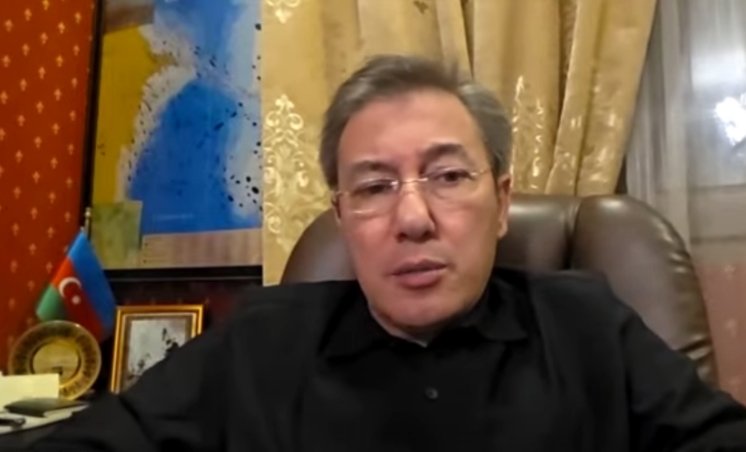
The war in Iran has triggered regional dynamics that would have seemed unlikely not long ago, political analyst Ilgar Velizade wrote in a Facebook post assessing the diplomatic fallout from the escalating crisis.
According to Velizade, Saudi Arabia, Turkey, Egypt and Pakistan have begun coordinating positions in an effort to avoid being drawn into a much wider regional conflict. He pointed to the recent meeting of the foreign ministers of those countries as a sign that major Islamic states in the region are trying to shape their own response to the crisis.
At the same time, Velizade argued that this should not be seen as a formal alliance. In his view, it is more of a forced synchronization driven by a shared sense of danger. All participants are trying to stay out of direct military escalation, even though they are widely viewed as regional rivals of Iran while also maintaining a hard line toward Israel.
He also drew attention to the European Union’s response. Velizade noted that the format appears to have received support from Brussels, pointing to a phone call in which European Council President Antonio Costa thanked Pakistani Prime Minister Shehbaz Sharif for efforts aimed at easing tensions in the region.
In Velizade’s reading, the EU’s position is rooted in pragmatism rather than goodwill. A broader Middle East war would hit Europe’s energy and logistics interests, which is why Brussels is prepared to support regional initiatives that lower tensions and do not look like part of a U.S.-Israeli strategy.
Still, he stressed that the emerging format is far from unified. Its participants differ in their approach to Iran, remain dependent on the United States in different ways and continue competing for influence across the region.
That is why, Velizade argued, the main goal of this cautious convergence is not to build a bloc but to prevent the conflict from expanding and to preserve the ability of regional players to help shape the region’s future rules themselves.