AZE.US
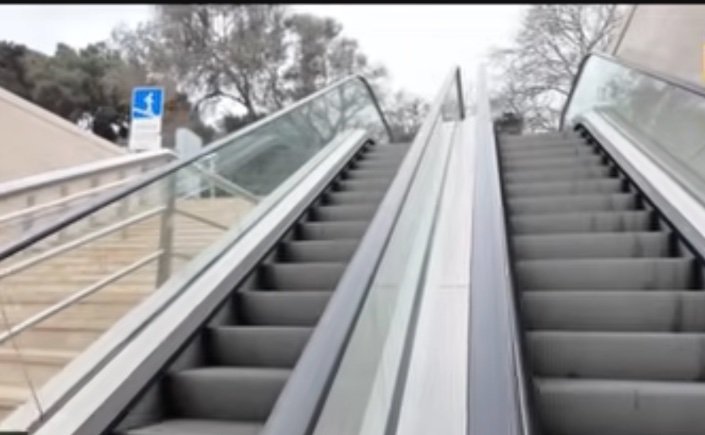
Residents in Baku are complaining that escalators in several underground pedestrian crossings are out of service, creating growing difficulties for children, elderly people and others who struggle with stairs.
People using the crossings say some escalators have either stopped working completely or break down repeatedly because of poor maintenance. For many residents, especially schoolchildren, older people and those with health problems, that turns an ordinary underpass into a daily challenge.
Experts say escalators may appear safe, but the risk rises quickly when they are not properly maintained or when basic safety rules are ignored. They stress that small children should be held by the hand, large bags should not be placed on the steps, and passengers should stand in the direction of travel and pay close attention when stepping off at the end. That final moment, they note, is where hesitation and falls often happen.
At the same time, the issue is not only about how people use escalators, but also about the technical condition of the equipment itself. Specialists say every escalator should undergo regular daily, weekly and annual inspections. These checks should cover visible wear, broken parts, vibrations, misalignment between steps, and the condition of the electronic and electrical systems. Load testing should also be carried out to determine whether the equipment is safe for continued use.
The relevant state agency said the escalators in the capital’s underground crossings are monitored on a regular basis. According to the agency, designated staff inspect them every day, and if any fault is detected, the information is immediately passed on so repairs can be carried out quickly.
Still, the complaints from residents suggest the problem remains unresolved in practice. For many people in Baku, a broken escalator is no longer just an inconvenience. For children, elderly residents and anyone with limited mobility, it has become an issue of safety and accessibility in public space.