By AZE.US
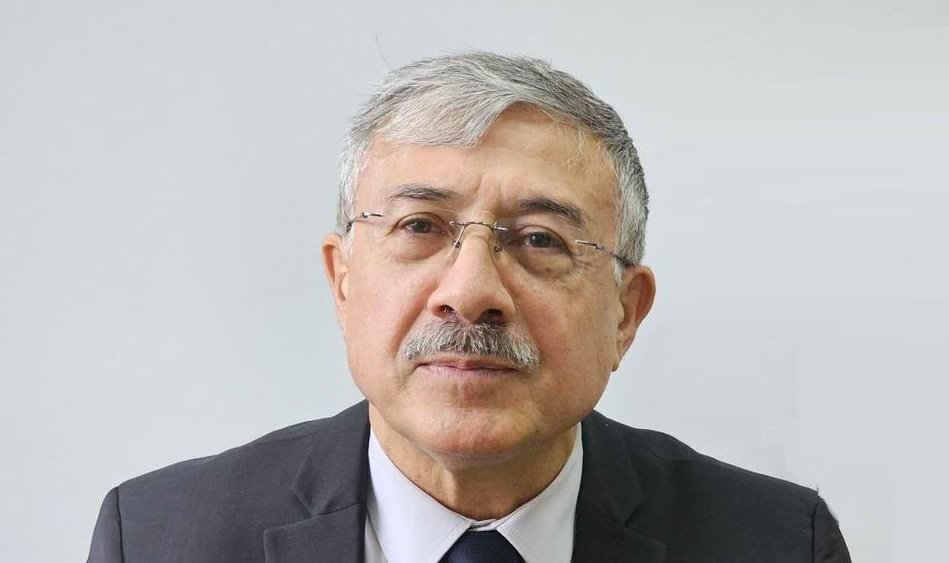
Russian President Vladimir Putin’s telephone conversation with Azerbaijani President Ilham Aliyev indicates that Moscow is interested in repairing relations with Baku, according to independent analyst Chingiz Mammadov.
Russia has realized that pressure will not force Azerbaijan to abandon its position, Mammadov said in an interview with the YouTube channel Geopolitics With Barvinenko.
Mammadov previously headed environmental projects for the United Nations Development Program in Azerbaijan and served as head of the Azerbaijani president’s communications office.
“Russia now understands that it cannot speak to Azerbaijan in this voice and tone,” he said.
Why Putin Called Aliyev
Mammadov said the full substance of the presidential conversation may become clear only later. However, he argued that the call itself and Putin’s approach to Aliyev during their contact in Bishkek showed Moscow’s desire to reduce tensions.
“This was an important call. Russia is interested in improving its relations with Azerbaijan,” the analyst said.
Relations deteriorated following the crash of an Azerbaijan Airlines aircraft and the subsequent dispute over Moscow’s response. Russian law enforcement actions involving members of the Azerbaijani community also increased tensions.
Mammadov said parts of the Russian political establishment still appear to believe they can pressure Baku. Moscow therefore does not yet demonstrate a unified approach toward Azerbaijan, he added.
The leaders may also have discussed regional transportation projects, according to the analyst. Russia is seeking a role in emerging South Caucasus transit routes, including the U.S.-backed project through southern Armenia known as the Trump Route for International Peace and Prosperity, or TRIPP.
“Putin most likely wanted to discuss regional issues and transportation links involving Azerbaijan. This is extremely important for Russia,” Mammadov said.
Aliyev-Pashinyan Meetings Become Routine
Mammadov described the increasingly regular meetings between Aliyev and Armenian Prime Minister Nikol Pashinyan as one of the clearest signs of progress in the peace process.
“Nobody is surprised by these meetings anymore,” he said. “They are becoming routine, and that demonstrates the momentum of the peace process.”
Unlike Aliyev’s brief contact with Putin in Bishkek, the Azerbaijani president’s meeting with Pashinyan had been arranged in advance, Mammadov noted.
He suggested that the proposed transit route through southern Armenia was likely among the main subjects discussed by the Azerbaijani and Armenian leaders. They may also have addressed the wider normalization process and regional security.
The future of South Caucasus transportation links affects not only Azerbaijan and Armenia but also Russia, Iran, Turkey, the United States and the European Union, he said.
Moscow Seeks to Preserve Influence in Armenia
Mammadov said Russia’s increasingly sharp public criticism of Armenia reflects Moscow’s concern over Yerevan’s continued rapprochement with the West.
Russia’s preferred outcome would be a repeat of 2013, when Armenia abandoned plans for closer economic integration with the EU and instead joined the Russian-led Eurasian Economic Union.
“Moscow’s maximum objective is to keep Armenia in the Eurasian Economic Union and restore its full participation in the Collective Security Treaty Organization,” Mammadov said. “But that currently appears unrealistic.”
A more achievable objective would be securing a role in TRIPP and obtaining concessions from Yerevan on other regional issues, he added.
According to Mammadov, Pashinyan appeared confident during his visit to Bishkek and demonstrated that Armenia was no longer prepared to comply automatically with Moscow’s demands.
EU support for Yerevan remains largely political and symbolic, the analyst said. However, it strengthens the Armenian government’s domestic position even if Europe cannot fully offset the economic consequences of deteriorating relations with Russia.
Russian Visa Requirement Would Hurt Armenia
Mammadov questioned reports that Armenia may be required to introduce visas for Russian citizens as part of its effort to obtain visa-free travel with the EU.
Such restrictions would primarily affect ethnic Armenians who hold Russian citizenship and have relatives in Armenia, he said.
“If Armenia introduces visas for Russian citizens, it will shoot itself in the foot,” Mammadov said. “The decision would affect a huge number of Armenian families.”
Visa restrictions could also make it harder for Russians seeking to leave their country over fears of military mobilization. The measure could therefore benefit the Russian authorities rather than serve as an effective Armenian lever against Moscow, he argued.
Proposed U.S. Sanctions Against Baku
Mammadov also addressed U.S. Rep. Mike Carey’s call for sanctions against Azerbaijan over the detention of former leaders of the Armenian separatist administration in Karabakh.
He said the initiative was unlikely to have a major effect on U.S. policy but should not be ignored by Baku.
Carey’s recent activity may be connected to the influence of Armenian advocacy groups in Ohio, the state the congressman represents, Mammadov suggested. However, he acknowledged that he had found no direct evidence that Armenian groups financed Carey’s election campaign.
The analyst also proposed that sanctions rhetoric could be used as an additional source of pressure on Baku during discussions over the future transit route through Armenia. He emphasized that this was only one possible interpretation.
Azerbaijan continues to insist that its passengers and cargo must be able to travel along the route without obstruction, Mammadov said.
AZE.US