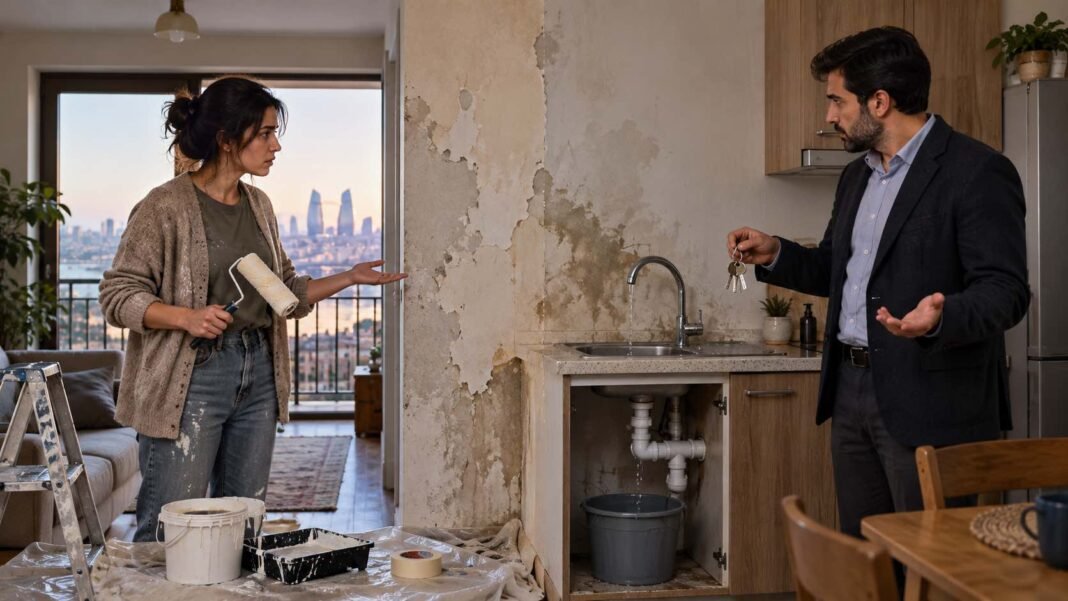
A leaking faucet, damaged wallpaper and a tenant’s decision to renovate a kitchen may all involve repair costs, but Azerbaijan’s Civil Code treats them differently.
Defects Not Caused by the Tenant
Article 676 of Azerbaijan’s Civil Code requires the landlord to keep rented property suitable for the tenant’s use throughout the rental period. Residential premises must also be maintained in a condition that does not endanger occupants’ health or safety.
If a defect makes the apartment unusable or reduces its usefulness, Article 677 may allow the tenant to stop paying rent for the unusable period or pay a reduced amount, depending on the circumstances. If the landlord delays correcting the problem, the tenant may in certain cases arrange the repair and seek reimbursement.
The tenant must notify the landlord promptly about defects and urgent protective measures. Failure to give notice can limit the tenant’s ability to claim compensation and may make the tenant responsible for losses caused by the delay.
Necessary Repair Costs
Article 680 says the landlord must reimburse necessary expenses incurred by the tenant to preserve or restore the rented property. The rule does not generally cover routine operating, maintenance and cleaning costs for buildings.
Tenants should keep photographs, receipts and written messages showing when the problem was reported, what work was required and how much it cost.
Damage Caused by the Tenant
Damage caused by the tenant or members of the tenant’s household is a different matter. A child drawing on the walls, for example, is not the same as paint fading through normal use.
Under Article 682, a tenant is not responsible for changes or deterioration resulting from use that complies with the rental agreement. A landlord therefore cannot justify a demand to repaint an entire apartment solely because someone lived there. The condition of the property, the contract and the cause of the damage remain important.
Renovations Chosen by the Tenant
A tenant who voluntarily buys more expensive fixtures or repaints a room does not automatically gain the right to bill the landlord. Article 680 treats improvements and other nonessential expenses separately from necessary preservation or restoration work.
To avoid a dispute, the parties should agree in writing before work begins. The agreement should identify the repairs, the maximum cost, who selects the contractor and whether the expense will be reimbursed directly or deducted from rent.
Because individual contracts and facts can change the result, tenants and landlords facing a significant dispute should obtain legal advice before withholding rent or carrying out major work.
Source: Vesti Baku