By AZE.US
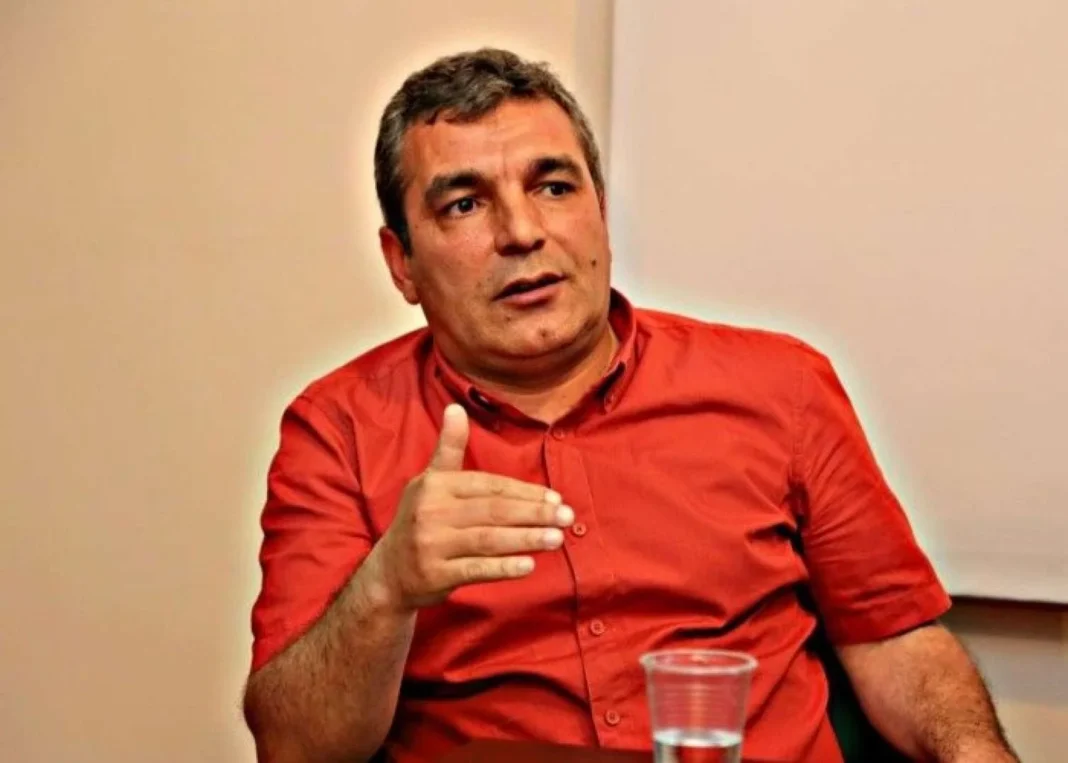
Azerbaijani economist Natiq Jafarli has criticized a proposed law intended to encourage and protect people who report corruption, arguing that its reporting mechanism could trigger workplace conflict and expose informants to retaliation.
Jafarli presented the criticism in a Facebook post, according to reports by Vesti Baku and Yeni Sabah. He said he was not a lawyer and was commenting on provisions described in press reports.
The draft law was discussed by two committees of Azerbaijan’s Milli Majlis on Oct. 6 and recommended for consideration at a plenary session in its first reading. It contains five chapters and 19 articles and establishes procedures for receiving and investigating corruption reports, according to Parliament’s official account.
The proposal provides for confidentiality, security for informants and their relatives, state-funded legal assistance, relief from court costs and possible compensation for material and moral harm. It also includes a financial reward mechanism for substantiated reports.
Jafarli questioned a provision under which suspected wrongdoing may be reported to an authorized unit or official within an organization, its head or a higher-ranking official. He argued that management might already know about serious corruption inside the organization, leaving the reporting employee vulnerable.
He distinguished everyday bribery from the theft of public funds. Jafarli said ASAN xidmət had substantially reduced petty corruption but cited an example in which a person might pay 20 manats unofficially instead of a 100-manat formal fine and therefore have little incentive to report the transaction.
Ordinary citizens usually lack internal information or evidence in cases involving public money, he said. Access to documents and decisions is more likely to be held by employees with specific authority, and Jafarli warned that reports could be used for personal revenge or infighting within organizations.
Jafarli said an independent, effective court system should be the central instrument for investigating corruption and protecting citizens’ rights. His comments describe potential consequences of the bill, not incidents that have already occurred.
AZE.US