By AZE.US Editorial Team
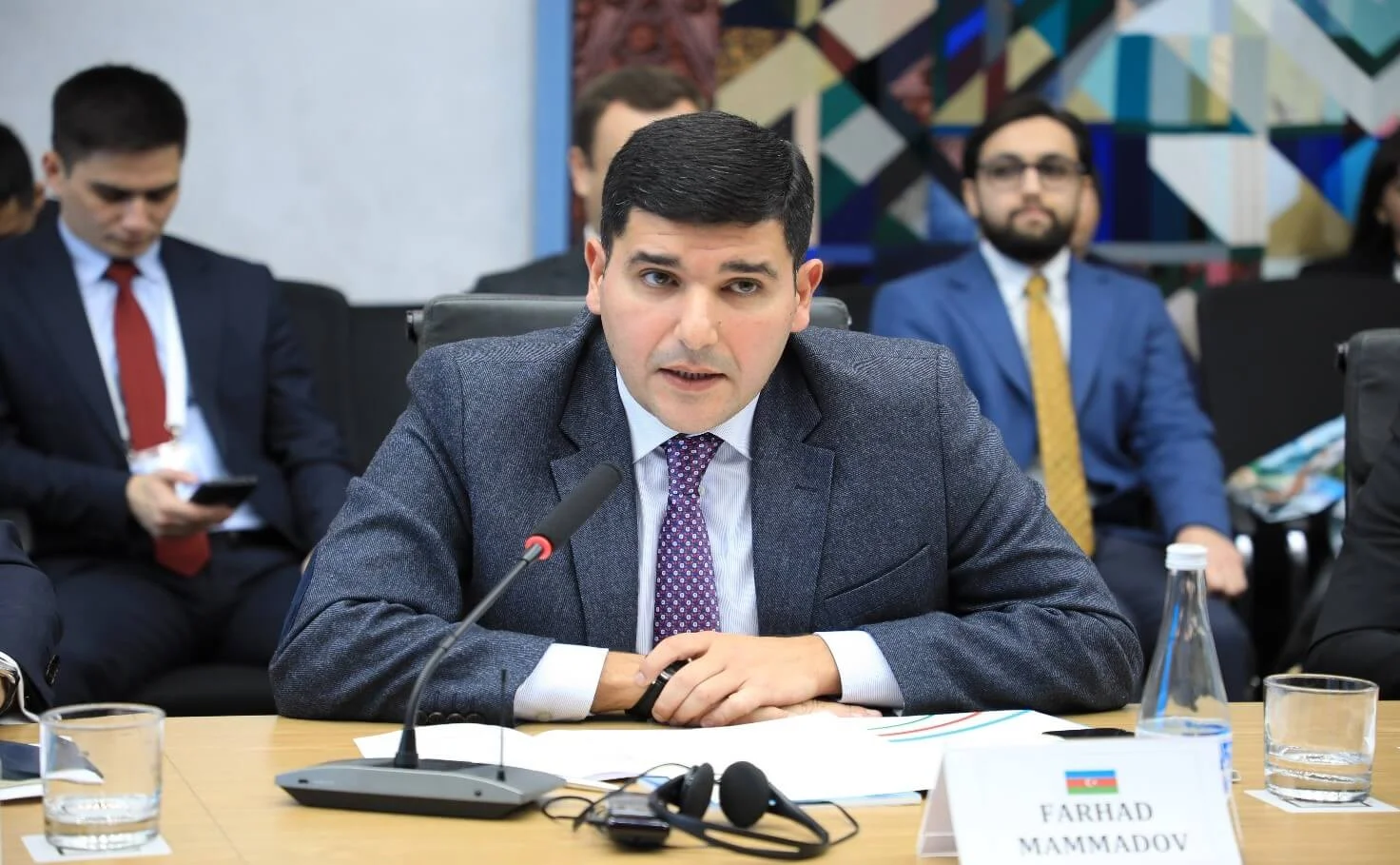
Russia will ultimately have to accept a new reality in its relations with Azerbaijan because restoring Moscow’s former model of influence over Baku is no longer possible, political analyst Farhad Mammadov said.
Speaking on the YouTube channel Novosti Kavkaza, Mammadov argued that parts of Russia’s political establishment remain reluctant to acknowledge how much the South Caucasus has changed over the past three decades.
However, he said Moscow has little practical choice but to build relations with Azerbaijan on a new basis.
According to Mammadov, some signals suggest that Russia is prepared to recognize this “new normal,” while still attempting to present the emerging rules as a framework shaped by Moscow itself.
“Nothing of that kind will work,” he said.
Azerbaijan Builds Its Own Balance
Mammadov linked Azerbaijan’s stronger position to its policy of building an independent network of international partnerships rather than relying on a single major power.
These relationships include different forms of cooperation with Turkey, Pakistan, Israel, Central Asian countries and other regional partners.
Such networks, he said, give Azerbaijan alternatives and allow major decisions concerning the country to be made in Baku.
“This balance is formed inside your own country. It is man-made, and it belongs to you,” Mammadov said.
The analyst argued that Azerbaijan has preserved its freedom of action by remaining outside political and customs structures that could limit its ability to make independent decisions.
Although this policy may carry certain economic costs, he said, it ensures that Azerbaijan retains control over its foreign policy.
Conflicting Signals From Moscow
Mammadov also pointed to what he described as contradictory approaches toward Azerbaijan within Russia’s political and media establishment.
One part of the Russian system, he said, supports normalization, pragmatic cooperation and the development of a new bilateral agenda.
Another continues to promote hostile or xenophobic narratives targeting Azerbaijanis, portraying diaspora organizations as criminal structures and accusing Baku of interfering in Russia’s internal affairs.
According to Mammadov, these opposing messages reveal disagreements within Russia’s elite over how relations with Azerbaijan should develop.
He said some political circles in Moscow find it difficult to accept that Azerbaijan, despite its relatively small geographical size, can defend its interests and reject decisions that contradict its national priorities.
“The world has changed. You are different, and we are different. More than 30 years have passed since 1991,” Mammadov said.
New Boundaries in Azerbaijan-Russia Relations
Commenting on Azerbaijani Foreign Minister Jeyhun Bayramov’s visit to Russia, Mammadov said the talks were part of an effort to define the contours of a new relationship between Baku and Moscow.
The two sides, he said, must clearly establish what they expect from each other, what actions are unacceptable and where the political “red lines” lie.
Mammadov cautioned that Russia’s imperial political instincts could still lead it to test those boundaries.
However, he argued that Azerbaijan now possesses significantly greater political, economic and security resources to respond to pressure than it did in the past.
In his assessment, future relations between Baku and Moscow can develop successfully only if Russia recognizes Azerbaijan as an equal and accepts its right to determine its own domestic and foreign policy.
AZE.US