By AZE.US
Peace with Azerbaijan, normalized relations with Turkey and reopened transport links could give Armenia more room to diversify its foreign policy, but gas supplies, access to the Russian market and major infrastructure continue to tie the country closely to Moscow, political analyst Alexander Iskandaryan said.
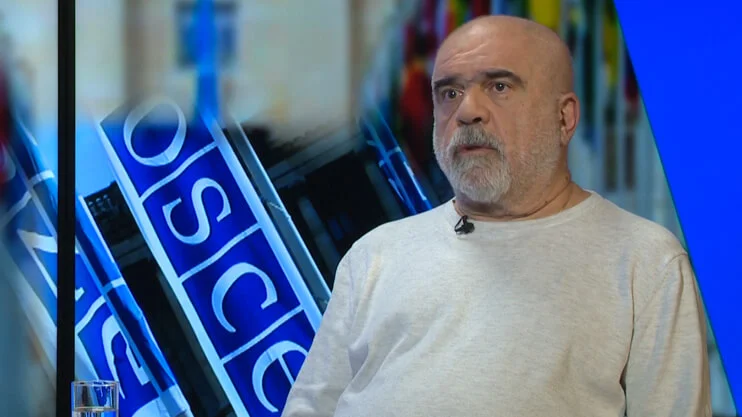
Iskandaryan, director of the Caucasus Institute, made the assessment in an interview with CivilNet. He said Armenia’s ability to pursue a more independent policy depends not only on its strained relations with Russia or Europe’s willingness to cooperate, but also on geography.
Normalizing relations with Baku and opening communications with Azerbaijan and Turkey would significantly expand Yerevan’s room for maneuver, he said. He cautioned, however, that open borders would not automatically resolve Armenia’s political and economic problems; the result would depend on the quality of the countries’ subsequent relations.
Russian Economic Leverage Remains
Iskandaryan said the previous model of Armenian-Russian relations was unlikely to return. In his assessment, Russia has lost much of its former security role in the South Caucasus and the political dispute between Moscow and Yerevan remains unresolved.
Economic dependence is a different matter, he said, pointing to Russian gas supplies, Russian-owned assets in Armenia, access to Russia’s market and transport routes. Russia matters far more to Armenia than Armenia does to Russia, leaving the relationship structurally unequal, he said.
He highlighted agricultural exports as a socially sensitive issue. Even if produce shipments do not determine the overall performance of Armenia’s economy, restrictions can affect the income of many households and create domestic political pressure.
Russia has also remained an important energy partner. Armenia has been considering proposals from several countries for a new reactor to replace its aging Russian-built nuclear plant, while Rosatom has publicly promoted its own offer. Reuters reported in February that bids or proposals had involved Russian, U.S., Chinese, French and South Korean companies.
Iskandaryan said public statements by Armenian officials suggested that cooperation with Rosatom was being seriously considered. He said Russia’s existing technical base, trained personnel and the likely cost of competing projects could make the Russian option attractive, while stressing that he had no inside information about the negotiations.
A nuclear agreement could become part of a broader accommodation with Moscow and ease some disputes, he said, though he did not expect it to end the political crisis.
Iskandaryan also said management of Armenia’s railways could be discussed. He considered a Russian withdrawal from the concession unlikely because the network has geopolitical as well as commercial value for Moscow.
The assessment underscores the limits on Yerevan’s effort to diversify its partnerships: relations with Russia have deteriorated, but Armenia’s energy, trade and transport systems cannot be reoriented quickly. Progress with Azerbaijan and Turkey could widen Armenia’s options without immediately ending those dependencies.
Source: Vesti Baku, based on an interview with CivilNet.