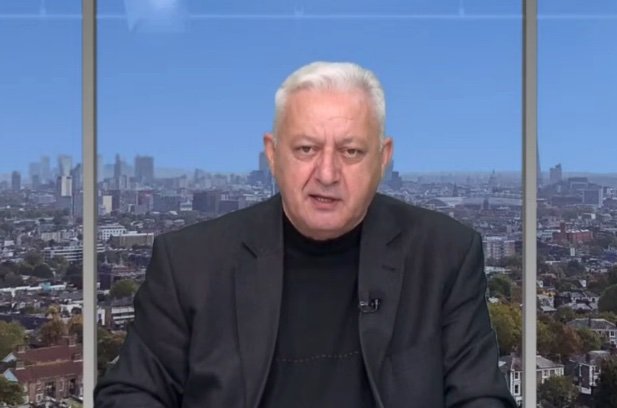
BAKU, Azerbaijan - Azerbaijani political analyst Mehman Ismayilov has called for clearer government explanations and broader public dialogue over the country’s school hijab dispute, saying decisions that touch on religious belief should be accompanied by evidence and public education.
Speaking in an interview with Musavat TV, Ismayilov said authorities should explain both the reasons for school uniform restrictions and the evidence behind any security concerns connected to the issue.
Ismayilov linked the dispute to what he described as long-running Iranian attempts to influence religious life in Azerbaijan. He alleged that radical religious literature had been distributed in the country for roughly 30 years and also referred to drug trafficking. Those claims were presented as his assessment; he did not provide supporting evidence during the interview.
“If there are threats, they should be addressed, and society should be told what those threats are,” he said in remarks summarized by Vesti Baku.
He argued that a lack of religious knowledge can make parts of society more vulnerable to political manipulation. As a possible response, Ismayilov proposed educational instruction about Islam and the Quran, saying students in the upper grades should be able to distinguish religious faith from efforts to use religion for political ends.
Ismayilov also questioned the involvement of very young children in the dispute, specifically referring to first- and second-grade girls. At the same time, he said officials should seek a “golden mean” in implementing school uniform rules and avoid treating the matter solely as an administrative problem.
Azerbaijan’s Cabinet amended school uniform requirements on Sept. 21, 2026, prompting a public debate over head coverings and the country’s secular education system. The governing New Azerbaijan Party defended the rules this month, while critics called for greater sensitivity to religious practice.
Ismayilov said the dispute should be handled through respect, education and clear public explanations rather than confrontation.
Source: Vesti Baku, based on an interview with Musavat TV.