By AZE.US
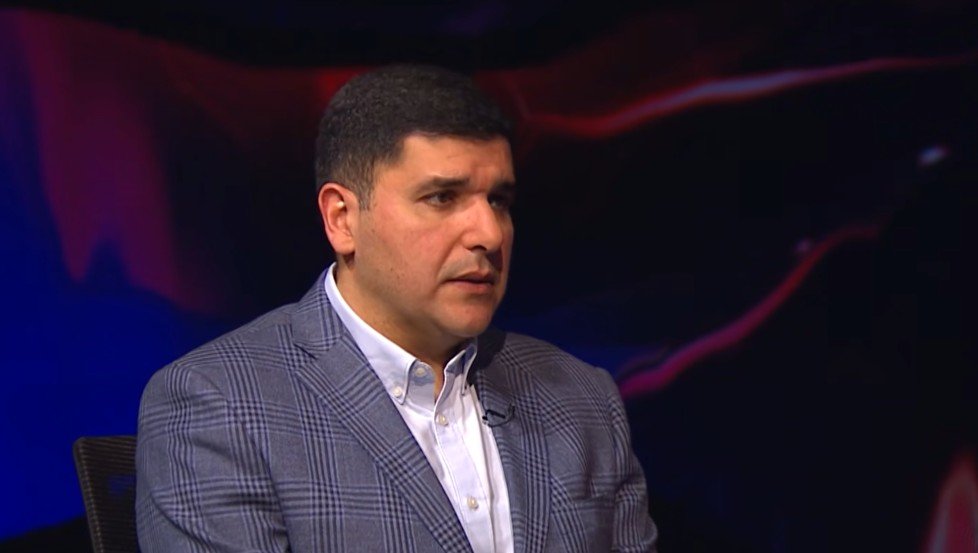
Opening Turkey’s border with Armenia as a response to disagreements with Azerbaijan could complicate the regional peace process, Azerbaijani political analyst Farhad Mammadov said, arguing that normalization should reinforce - not bypass - the settlement between Baku and Yerevan.
Mammadov made the comments on the News From the Caucasus program. He linked the timing of the Turkey-Armenia border opening to two broader issues: Armenia’s constitutional debate and implementation of the Trump Route for International Peace and Prosperity, or TRIPP.
Turkey closed the border in 1993 amid the conflict over Karabakh. Ankara and Yerevan have pursued normalization talks since 2022, and both governments said in May that preparations for direct trade had been completed while technical work on opening the land border continued. Turkey’s Foreign Ministry described the process as part of a broader opportunity for peace and prosperity in the South Caucasus.
Border Opening as an Incentive
Mammadov said the prospect of normalization with Turkey should demonstrate to Armenian society the practical benefits of completing a peace settlement with Azerbaijan. In his view, open borders and transport links could strengthen support for constitutional changes that Baku says are necessary before a peace treaty is signed.
If Armenia receives the main economic and transport benefits of normalization before completing the political settlement, the incentive to finish that process could weaken, he argued. Mammadov tied Baku’s caution to what he described as continuing revanchist sentiment in parts of Armenian politics.
Armenian Prime Minister Nikol Pashinyan has said he intends to hold a constitutional referendum, while Azerbaijan has called for wording it views as containing territorial claims to be changed. The timetable remains a central issue in the peace process. Reuters reported in July.
Alliance Does Not Eliminate Sovereignty
Mammadov also criticized Turkish commentators who, in his account, linked support for Azerbaijan on Armenia-related issues to demands that Baku revise its relations with Israel.
He said the phrase “one nation, two states” still refers to two sovereign governments with their own interests and domestic policies. Strategic partnership requires coordination and mutual respect, he said, not intervention in the other country’s internal debate.
Mammadov placed reactions by some Turkish political and religious figures to Azerbaijan’s school-hijab dispute in the same category. He said public disagreements should establish clearer limits for debate between allies but did not view the disputes as evidence that the wider Azerbaijan-Turkey partnership was collapsing.
Energy, trade and regional-security interests remain far more important than individual media controversies, he said. However, he warned that a deliberately confrontational decision to open the Armenia border “to spite Baku” could prompt Azerbaijan to reassess its position.
Russia and the Transport Network
Mammadov said Armenia’s negotiations with Russia over nuclear energy and railways could also affect regional transport plans. Moscow wants to preserve influence over transport assets in Armenia and retain a role in future east-west freight traffic, he said.
He described a possible arrangement involving a new nuclear project and railway management as one scenario rather than an agreed deal. Any change to the railway concession would require money, replacement management and negotiations with Moscow, he said.
Mammadov added that new routes need a commercial foundation. Political interest in transit is insufficient unless investors and freight operators can identify reliable cargo volumes, competitive costs and workable infrastructure.
He rejected the idea that a peace treaty necessarily has to wait until 2031. If Armenia advances constitutional changes and TRIPP implementation sooner, the process could accelerate as early as next year, he said, while describing continued contacts between Azerbaijani and Armenian representatives as a positive sign.
Source: Vesti Baku, based on the News From the Caucasus broadcast.