Vesti Baku
Azerbaijan is strengthening its position by linking the interests of states that remain rivals on many other issues.
Transport routes, domestic economic resources and an independent foreign policy allow Baku to negotiate with major powers from a stronger position.
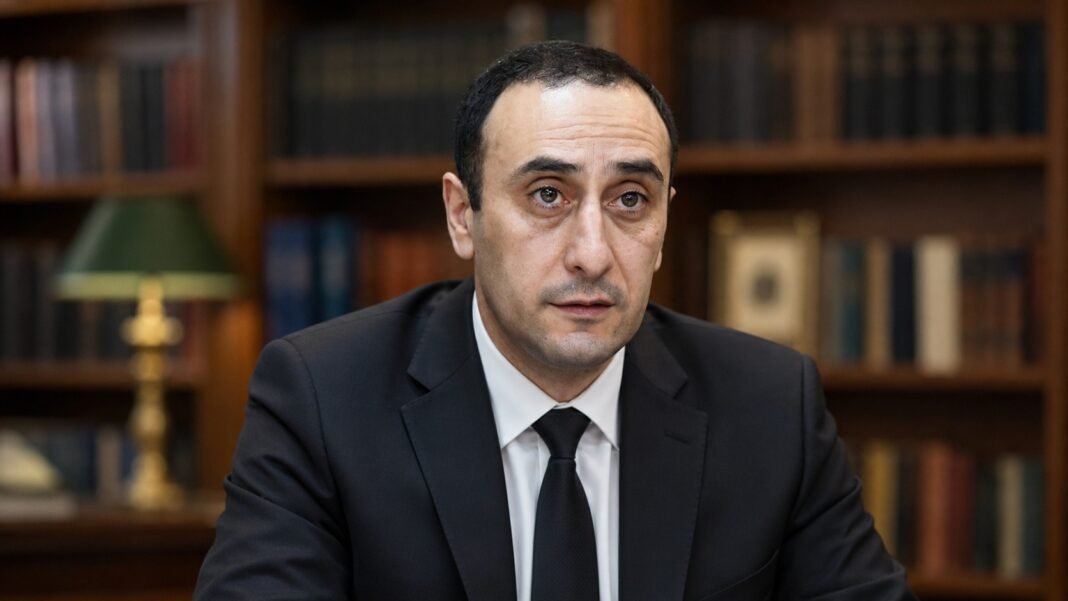
Azerbaijani expert Rizvan Huseynov made the assessment during an appearance on the Daily Europe Online YouTube channel, Vesti Baku reports.
Huseynov said Azerbaijan’s importance now goes beyond its familiar role as an energy or transit hub. The country is becoming a key link connecting Central Asia with Europe, he said, while Baku is developing several routes that serve the interests of different external powers.
One Country at the Intersection of Competing Interests
Huseynov said Baku’s diplomatic opportunities are rooted in its geography and infrastructure. China and European states are interested in East-West routes, Russia attaches particular importance to the North-South axis, and Iran needs additional access to regional markets.
Even within the Middle Corridor, he said, states have different preferences about routes. Yet Azerbaijan remains an important connecting link under the various configurations.
“Azerbaijan can connect what cannot be connected,” Huseynov said, referring to the overlapping interests of major powers.
He said Baku’s advantage is its willingness to back diplomatic proposals with the construction of roads and other infrastructure. That work increases partners’ interest in cooperation and gives Azerbaijan additional negotiating leverage.
In this context, Huseynov highlighted the “Central Asia plus Azerbaijan” format. He said its prospects extend beyond transport and energy to humanitarian ties. A common regional agenda, he added, should take account of all five Central Asian states, including Persian-speaking Tajikistan.
Moscow Is Adapting to New Conditions
Huseynov described the easing of tensions between Baku and Moscow as part of a broader shift in the balance across the former Soviet space.
He said Russia has to take account of the growing independence of neighboring states and seek compromises if it wants to preserve opportunities for cooperation with them.
Countries that consistently defend their own position gain more room to protect their national interests, he said. Tough negotiations do not necessarily lead to a break in relations; after new terms are agreed, a period of normalization can follow.
In Azerbaijan’s case, Huseynov linked the positive trend to Moscow’s recognition of new regional realities and Baku’s transport interests. In his view, that allows cooperation to continue without Azerbaijan abandoning an independent course.
Sovereignty Begins With Domestic Resources
Huseynov said the central condition for such a policy is the state’s internal resilience.
Military capacity, the economy, industry and human capital determine how confidently a country can deal with stronger partners, he said. He attributed Azerbaijan’s results to long-term preparation spanning roughly two decades.
“First you change yourself, and then you make others change their attitude toward you,” Huseynov said.
He also pointed to the risks of dependence on foreign assistance. Citing Ukraine, Huseynov argued that heavy reliance on external resources increases partners’ influence over a state’s decisions. Expanding a country’s own economic and military-political base, he said, remains essential to an independent policy.
Peace With Armenia Is Being Tested by Crises
Huseynov also discussed the durability of the Azerbaijan-Armenia peace process. He described an incident involving an Azerbaijani serviceman on Armenian territory as a test of the sides’ ability to prevent a new escalation.
Continued contact between President Ilham Aliyev and Prime Minister Nikol Pashinyan suggests that the isolated crisis has not derailed political dialogue, he said. At the same time, he argued that much of the process’s stability still depends on the relationship between the two leaders.
Huseynov also cited Aliyev and Pashinyan’s joint visit in Turkmenistan to an exhibition on Karabakh’s reconstruction. Compared with the atmosphere five or six years ago, he said, such episodes mark a significant change in relations.
He cautioned against overstating the progress, however. Radical forces continue to compete for public support, he said, and any new source of tension could give them an opportunity to intensify confrontation.
Huseynov said the accumulated experience of loss is the main social foundation for peace. After decades of conflict, he added, there is a growing understanding that another war would be the worst outcome for both countries.
Vesti Baku