AZE.US
Tensions involving the United States, Iran and Israel have entered a more dangerous phase over the past several hours, with both military and energy risks rising simultaneously.
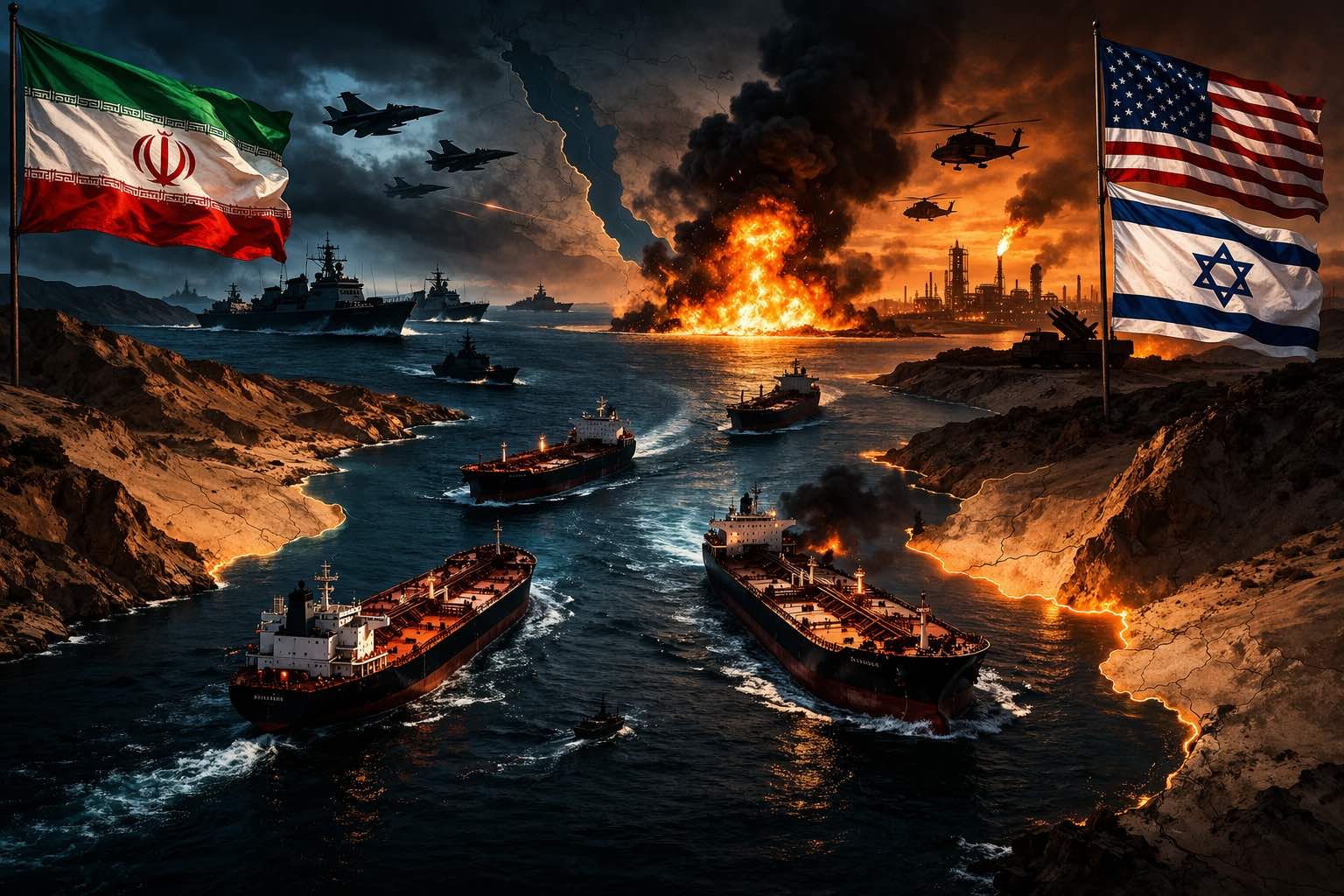
According to Reuters and Associated Press, Washington has warned Tehran to ensure full access through the Strait of Hormuz, while signaling potential strikes on Iranian energy infrastructure if shipping routes are disrupted.
Iran responded with its own escalation. Officials warned that any attack on its energy facilities could trigger strikes on U.S. assets in the region, as well as energy and water infrastructure in Gulf countries hosting American bases. Iranian statements also raised the possibility of fully closing the Strait of Hormuz, a critical chokepoint for global oil and gas flows.
The situation around the strait has become central to the crisis. Roughly one-fifth of global oil and LNG shipments pass through this route, meaning any disruption immediately translates into market volatility and broader economic risks.
At the same time, exchanges of fire between Iran and Israel have continued. Reports indicate new missile strikes in southern Israel, including areas near sensitive military and nuclear-related sites. Israeli authorities say civilian areas were hit, while Iran maintains it is targeting strategic infrastructure.
U.S. messaging has remained mixed. While officials have suggested a desire to avoid a prolonged conflict, additional military assets - including naval forces - are being deployed to the region. This dual-track approach reflects an attempt to contain escalation while maintaining pressure on Iran.
Energy markets are already reacting. Oil prices have surged amid fears of disruption in the Strait of Hormuz, with analysts warning that further escalation could push prices higher and impact global supply chains.
The broader concern now is that the conflict is no longer limited to direct military exchanges. The growing focus on energy infrastructure, shipping routes and regional assets suggests a shift toward a wider confrontation with global economic consequences.
At this stage, the key risk is a rapid move from threats to direct strikes on critical infrastructure - including ports, energy facilities and maritime routes - which could significantly expand the scope of the crisis.