AZE.US
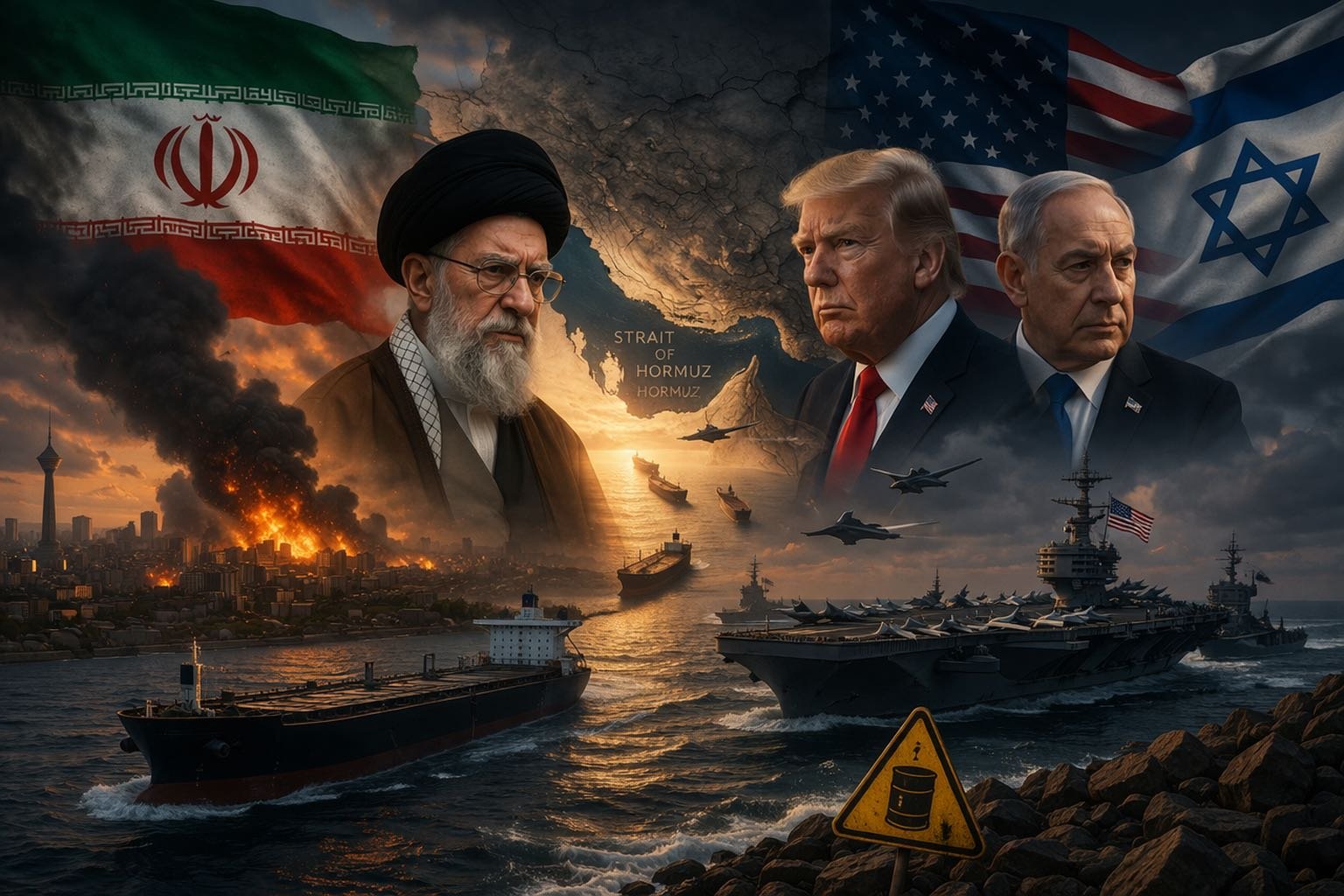
The crisis around Iran can no longer be described with the old, familiar phrase that “tensions remain high.” That language now feels too soft for what is actually unfolding. The confrontation has entered a more dangerous phase: President Donald Trump is publicly warning Tehran to accept a deal or face continued strikes, Iran is dismissing the U.S. proposal as unfair and one-sided, and the Strait of Hormuz remains both a military flashpoint and a global economic nerve center.
What makes this moment especially dangerous is not only the bombing, the threats or the diplomatic noise. It is the illusion of control. Washington wants to project strength while still claiming there is a path to peace. Tehran wants to show defiance without appearing responsible for shutting the door completely on diplomacy. Other powers are now openly calling for talks, which is another sign that the conflict has moved beyond a contained bilateral crisis and become a wider international concern. China on Thursday urged immediate peace efforts, while France said it had already approached around 35 countries about a future mission connected to reopening and securing Hormuz after the fighting.
Trump’s rhetoric has become the clearest marker of how narrow the room for diplomacy now is. On March 26, he said Iran should make a deal or the United States would “keep blowing them away,” while also presenting the passage of several oil tankers through Hormuz as a gesture from Tehran during ongoing negotiations. That combination tells its own story: coercion on one hand, deal-making theater on the other. It is classic Trump pressure politics - raise the cost, then advertise a possible exit. But pressure of that kind can harden rather than soften Tehran’s position, especially when Iranian officials are already framing the U.S. plan as something that demands submission rather than compromise.
Iran’s stance is equally revealing. Tehran is not behaving like a side that trusts the process, yet it is also not acting like one that sees diplomacy as entirely dead. Associated Press reported that Iran rejected the U.S. ceasefire proposal and put forward its own demands, while Reuters reported that negotiations remain murky even as both sides continue to send signals through intermediaries. That leaves the conflict suspended in a dangerous in-between space: diplomacy is not gone, but it is no longer functioning as a stabilizing force. It is operating under the shadow of force, mistrust and public humiliation.
And then there is Hormuz, where the regional crisis turns into a global one. Reuters, citing Barclays, reported that a prolonged disruption in the strait could remove 13 million to 14 million barrels a day from global supply. Even if limited tanker traffic is now being cited as a positive sign, that does not amount to real normalization. The fact that commercial passage through one of the world’s most important oil chokepoints has become part of wartime bargaining is itself proof of how fragile the situation has become. This is no longer simply about military signaling. It is about oil prices, insurance costs, shipping risk and the possibility of a global economic shock triggered by a regional war that none of the main players claims to want.
That is why the central danger now may not be a deliberate decision to launch an even bigger war. It may be miscalculation. A strike intended as leverage may be read as escalation. A tactical move in or around Hormuz may be treated as a strategic crossing of a red line. A negotiation signal may arrive too late, or be dismissed as deception. Once a conflict reaches this stage, it stops being governed only by political leaders and starts being driven by accumulated incidents, fear and momentum. Reuters and AP reporting both point to that reality: public claims of possible talks are unfolding alongside continued military pressure, rejection of ceasefire terms and visible international concern over what happens next.
This is the real meaning of the moment. Illusions are over. The region may still avoid a wider and more catastrophic war, but the margin for error has become dangerously small. The old assumption that everyone can keep pushing to the brink and then step back at the last second no longer looks safe. In a crisis shaped by ultimatums, tanker routes and strategic pride, even one mistake can suddenly become far more expensive than any of the players intended.