AZE.US
A new form of revanchism is emerging in Armenia under the language of peace and could eventually lead to another war, Azerbaijani political analyst Eldar Namazov said in an interview with the Novosti Kavkaza YouTube channel.
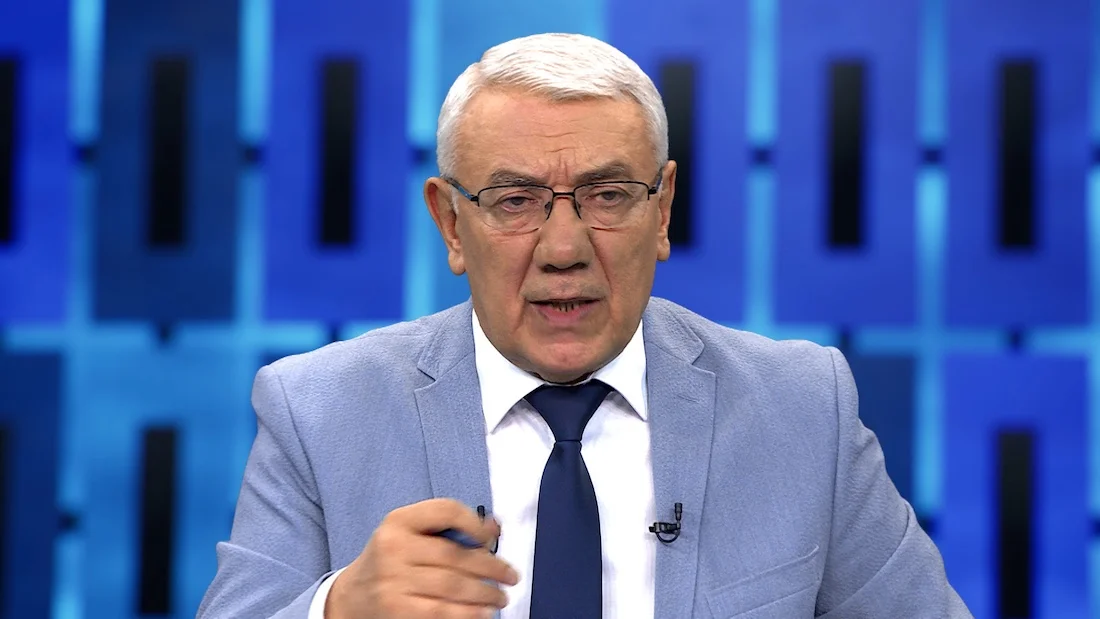
Namazov described the phenomenon as “neo-revanchism,” arguing that its advocates claim to support peace with Azerbaijan while promoting conditions that Baku could never accept.
“Despite the loud declarations about peace, they are once again advancing approaches that could lead to a third Karabakh war,” Namazov said.
According to the analyst, Armenian political discourse increasingly presents all major forces as supporters of peace who merely disagree over what that peace should look like. Namazov rejected that framing, saying some of the proposed alternatives amount to demands for unilateral Azerbaijani concessions.
As an example, he cited calls to delay a peace agreement until Azerbaijan agrees to the return of Karabakh Armenians, international security guarantees and the possible presence of foreign forces.
At the same time, he said, advocates of that position reject reciprocal discussion of the return of Azerbaijanis displaced from the territory of present-day Armenia.
“If we allow Armenians to return to Karabakh, will you allow Azerbaijanis to return to Armenia? They say no,” Namazov said. “Azerbaijan will never accept such an approach.”
He compared the rhetoric to arguments advanced during the administrations of Robert Kocharyan and Serzh Sargsyan, when Armenian officials said they recognized Azerbaijan’s territorial integrity while simultaneously demanding recognition of Karabakh’s independence.
Namazov argued that this formula did not preserve peace and ultimately contributed to the Second Karabakh War. Reintroducing the same demands in a new political package, he said, risks repeating the cycle.
The analyst nevertheless acknowledged a significant shift inside Armenian society. Before the 2020 war, he said, virtually no one in Armenia supported peace with Azerbaijan under the terms now under discussion. Today, he estimated, more than 30% of Armenian voters support the current peace process.
But Namazov cautioned against treating that change as irreversible. He noted that roughly half of eligible voters did not participate in Armenia’s latest election, while more than 20% backed forces he described as openly revanchist.
“The trend is moving in a positive direction, but it has not yet become irreversible,” Namazov said. “We must assess these developments soberly and objectively.”
He also argued that opening regional transportation links is now more important than the formal signing of a peace treaty.
Namazov placed particular emphasis on launching the Zangezur route, also referred to as TRIPP, reopening other regional communications and normalizing the Armenia-Turkey border.
“We live in a time when signed papers guarantee nothing,” he said. “What matters is establishing peace on the ground. It can then be formalized legally.”
In his view, functioning transit routes, cross-border trade and open borders would create practical interests in maintaining peace, making a future settlement more durable than a document unsupported by changes on the ground.
AZE.US