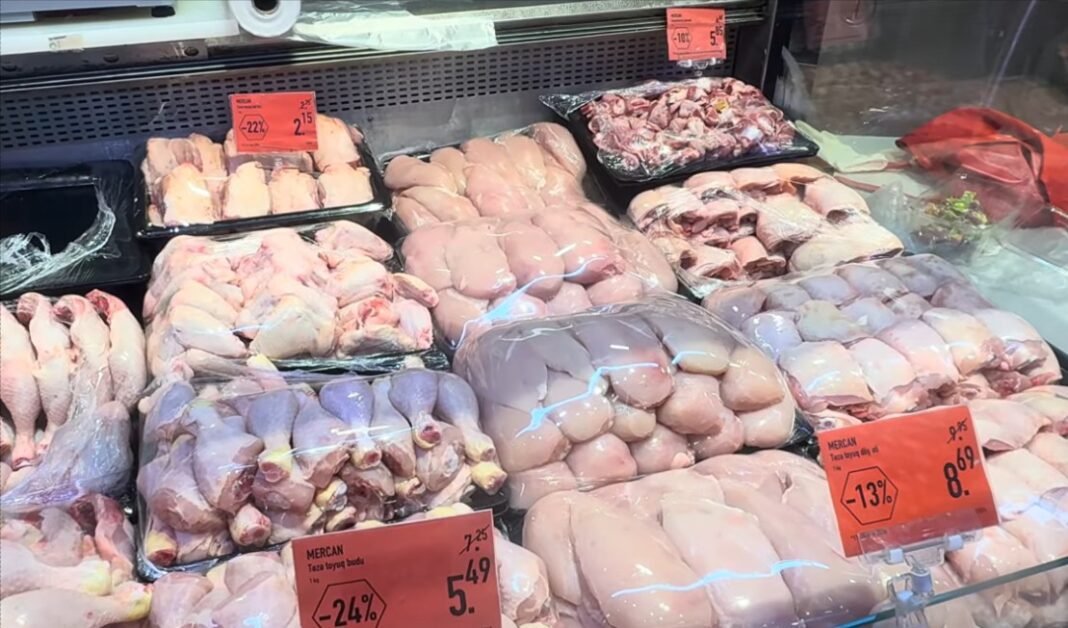
When a product costs more at the checkout than the price shown on the shelf, shoppers in Azerbaijan may demand that the store sell it at the advertised lower price. A claim that employees did not have time to replace the label does not require the customer to pay more.
Consumers say they often notice the discrepancy only after paying and reviewing their receipts.
One survey respondent said she selected discounted napkins but was quoted a different price at the register. Employees said they had forgotten to change the price label. The store refused to sell the product at the shelf price, and the customer returned it.
Azerbaijan’s State Agency for Antimonopoly Control and Consumer Market Supervision says a customer who finds such a discrepancy should immediately contact the seller or store administration. The shopper’s request should be reviewed on the spot and the product sold at the lower advertised price.
If the issue is not resolved, consumers should preserve evidence for a complaint: photograph the product and its price label and include the receipt if the purchase has already been completed.
A complaint may be filed through the agency’s official website or by calling 195-1-4. The submission should identify the store and describe the price discrepancy.
The official consumer portal istehlakchi.gov.az classifies charging more at the checkout than the displayed price as consumer deception. Other violations include overcharging, short-weight sales and adding unjustified amounts to a bill.
Article 447.0.1 of Azerbaijan’s Code of Administrative Offenses sets fines for small-scale consumer deception at 350 to 500 manats for individuals, 1,500 to 2,000 manats for officials and 4,000 to 6,000 manats for legal entities.
Originally published in Russian by Vesti Baku.