AZE.US
In Azerbaijan, many people still live in apartments and private houses that do not have formal ownership documents. As demolition plans continue in some parts of Baku, one question keeps coming up for residents: if such homes are torn down, will the people living there receive compensation?
The answer is not always straightforward. The absence of a formal title deed does not automatically mean a person loses any chance of compensation. But much depends on the legal status of the land and the building itself.
Experts say that in many of these cases, residents may have a recognized right of use or long-term residence, even if they do not hold full legal ownership. Simply living in a house for many years does not create ownership by itself, but in practice, long-term occupancy can still matter when compensation issues are considered.
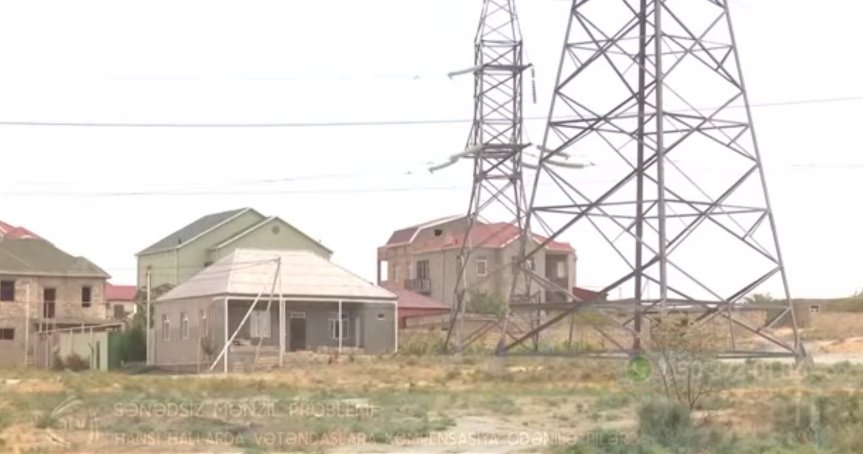
Real estate expert Emil Farzaliyev says the key factor is whether the home was built in an area where construction was prohibited. If the structure was erected on land where residential building was not legally allowed, compensation may not be paid if the property is later demolished.
That is especially relevant for homes built in restricted or problematic zones, where construction was not meant to take place in the first place. In such cases, the authorities may refuse to recognize a claim for compensation.
At the same time, there is another category of housing. In areas such as Alatava, Kurdakhani, Yasamal, Kubinka and similar neighborhoods, people have lived for decades in homes that still lack full documentation. According to the expert, if such properties are demolished, residents are often paid full compensation.
The form of compensation also depends on who is carrying out the demolition. If the demolition is conducted by the state, compensation is usually paid in cash. If a private construction company is redeveloping the land, residents may instead be offered apartments in the new buildings that will be constructed there.
Until those apartments are handed over, the developer is also generally expected to cover temporary rental costs and moving expenses.
For residents of undocumented homes, the main issue is not only whether they have a title deed, but whether the land and the structure can be legally recognized. That is what often determines whether compensation will be paid at all.