AZE.US
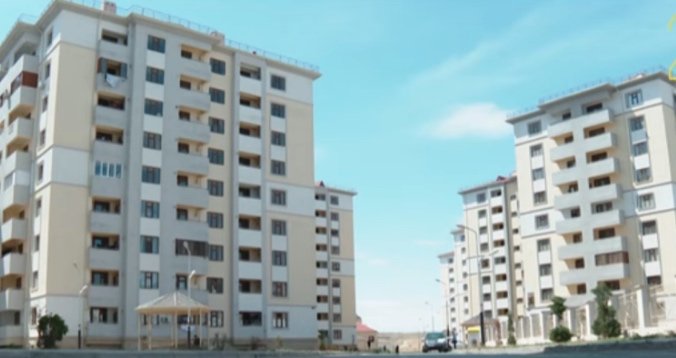
New residential complexes have become one of the most visible signs of Baku’s urban transformation. High-rise buildings, polished facades, expensive apartments and glossy advertising all create the image of a modern capital.
But for many residents, the reality behind the new buildings is more complicated.
According to Metbuat.az, one of the most common complaints in Baku’s new residential complexes is the lack of gas supply. In some buildings, residents move into their apartments and then wait for months, or even years, for gas lines to be connected.
Developers often promise that gas will be supplied, but the process can drag on. As a result, residents depend on electricity, which raises household costs and becomes especially difficult during the winter months.
Another major issue is the ownership document known locally as “kupcha.” Some buyers in new buildings wait years to receive official property extracts for their apartments. The reasons may include incomplete documentation, construction that does not fully meet regulatory standards or disputes between developers and state agencies.
For owners, this is not a minor bureaucratic detail. Without a “kupcha,” it becomes harder to sell an apartment, use it as collateral or complete official registration procedures.
Elevators are another frequent source of frustration. In high-rise buildings, malfunctioning elevators quickly become a serious daily problem. In some multi-block complexes, only one elevator may be operating, creating long waits and inconvenience for residents.
Parking also remains a chronic problem. Buyers are often promised underground parking in advertisements, but after moving in, many discover that the number of spaces is limited. Residents are then forced to leave cars around buildings, inside courtyards or along access roads.
That creates disorder, adds to traffic pressure inside residential areas and may obstruct emergency vehicles, including ambulances and fire trucks.
Courtyard space is another concern. In many complexes, yards are too narrow. Children’s playgrounds, green areas and comfortable places for residents to rest are either very limited or absent. Developers often use as much of the land as possible for apartment blocks, leaving residents surrounded by concrete.
Weak sound insulation, low-quality construction materials, high utility charges and a lack of transparency from some housing cooperatives also remain among the most common complaints. In some new buildings, cracks, water leaks and ventilation problems appear soon after residents move in.
The result is a familiar paradox in Baku: a new apartment in a modern-looking building does not always mean a comfortable life. For many residents, basic issues such as gas, documents, elevators, parking and usable courtyard space can remain unresolved for years.
AZE.US