AZE.US
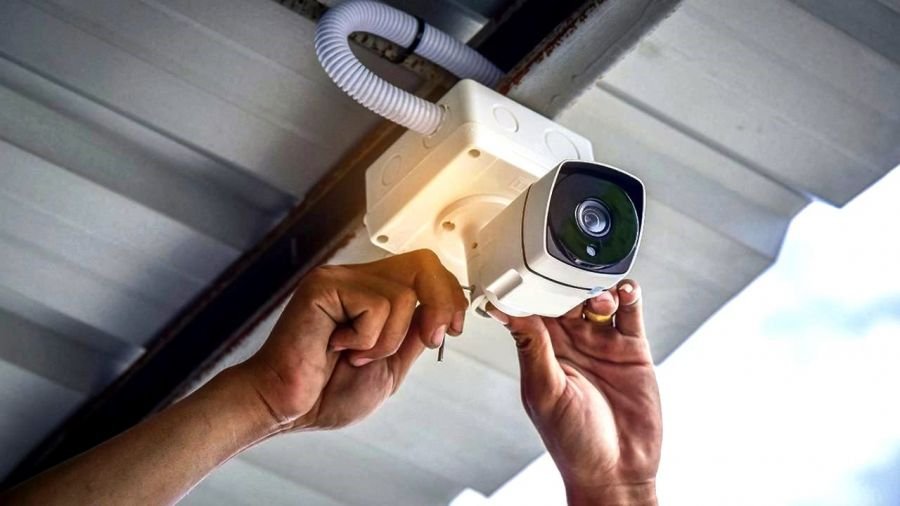
A security camera installed in the hallway of an apartment building may be considered unlawful if it continuously records neighbors, their apartment doors, visitors and daily movements.
Azerbaijan’s Supreme Court has issued an important legal position on the installation of surveillance cameras in multi-apartment residential buildings, following a dispute between neighbors living on the same floor of the same building entrance.
The case centered on whether cameras installed by one resident in the common hallway and near the entrance to his apartment violated another neighbor’s right to privacy.
The Supreme Court said every person has the right to protect their home and property, including through the use of surveillance cameras. However, this right must not result in unlawful interference with the private life of other people.
The court noted that the concept of private life is not limited to what happens inside an apartment. Information about when a person enters or leaves their home, who visits them, their daily routine and the continuous recording of their image may also fall within the scope of private life.
For this reason, systematic collection of such information through surveillance may be considered an interference with privacy.
According to the Supreme Court’s position, a camera that covers a common hallway or the entrances to other apartments in a residential building may be installed only with the consent of the neighbors who use that hallway.
If there is no such consent, a security camera must be limited to the entrance area of the apartment of the person who installed it. It should not continuously record the hallway, the area near the elevator, other neighbors’ apartment doors, their entry and exit, or their image.
If the camera’s viewing angle goes beyond what is necessary and covers neighboring apartments or the movements of other residents, this may be considered an interference with private life protected by the Constitution.
In the specific case reviewed by the court, the Supreme Court ordered that the viewing angle of the camera installed above the apartment door be limited only to the entrance area of that apartment. Another camera, which recorded the common hallway and neighboring apartments, was ordered to be removed.
The court said this approach was necessary and proportionate to ensure a fair balance between a person’s right to protect their property and the neighbors’ right to privacy.
The Supreme Court also said that long-term observation of a person against their will, as well as regular recording of their image, may create a feeling of being constantly watched and cause psychological discomfort and moral suffering.
The court added that if unlawful interference with private life is proven, moral damage does not need to be proven separately. The unlawful interference itself creates a presumption of moral damage, and the party disputing this must prove otherwise.
Based on this legal position, the Supreme Court recognized that the neighbor’s right to privacy had been violated and upheld the compensation for moral damage in the neighbor’s favor.
AZE.US