AZE.US
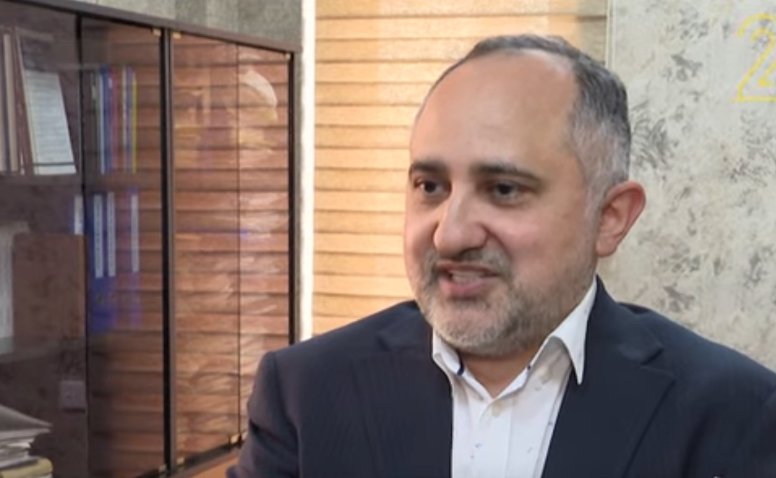
Azerbaijani company directors could face temporary travel restrictions over unpaid customs debts owed by their businesses, a provision that financial lawyer Akram Hasanov says raises serious legal concerns.
Under the new customs rules, authorities will be able to ask a court to restrict a person from leaving the country when a customs debt remains unpaid.
Hasanov said the mechanism resembles one already used in tax cases, where the head of a company may be barred from traveling because of a debt formally owed by the legal entity.
“The debt belongs to the company, not personally to its director. The question is why the restriction should apply to the director,” Hasanov told the Baku Worker newspaper.
The issue becomes more complicated when a business disputes the debt.
Entrepreneurs may challenge tax or customs assessments as unlawful, but a travel ban could be imposed before the dispute is finally resolved. Court proceedings can continue for years, leaving the individual under restriction while the underlying debt remains contested.
Hasanov said it is still unclear how broadly the new customs measure will be applied and whether courts will closely examine each case before approving a restriction.
He also warned that expanded customs audit powers could become another source of pressure on businesses if inspections are used too aggressively.
The revised rules introduce two forms of customs audit: desk audits and on-site inspections.
A desk audit may last up to 60 days. An on-site audit may continue for 20 days, with a possible extension to 30 days.
Planned inspections may be carried out no more than once a year, and businesses must be notified at least 15 days in advance. Unscheduled audits will also be allowed, including on the basis of information generated by customs risk-management systems.
Hasanov said clearer procedures are a positive step, but the real impact will depend on enforcement.
“One thing is what the law says. Another is how it is applied in practice,” he said.
Businesses have become increasingly cautious about changes in fiscal legislation, Hasanov added, because new oversight tools can sometimes develop into broader mechanisms of control.
He said the first court cases and enforcement decisions will show whether the new system improves customs administration or creates additional pressure on the private sector.
AZE.US