AZE.US
Russia was unlikely to expect Armenia’s opposition to take power. Moscow’s more realistic goal may have been to deny Prime Minister Nikol Pashinyan a constitutional majority and preserve political forces capable of limiting his room for maneuver.
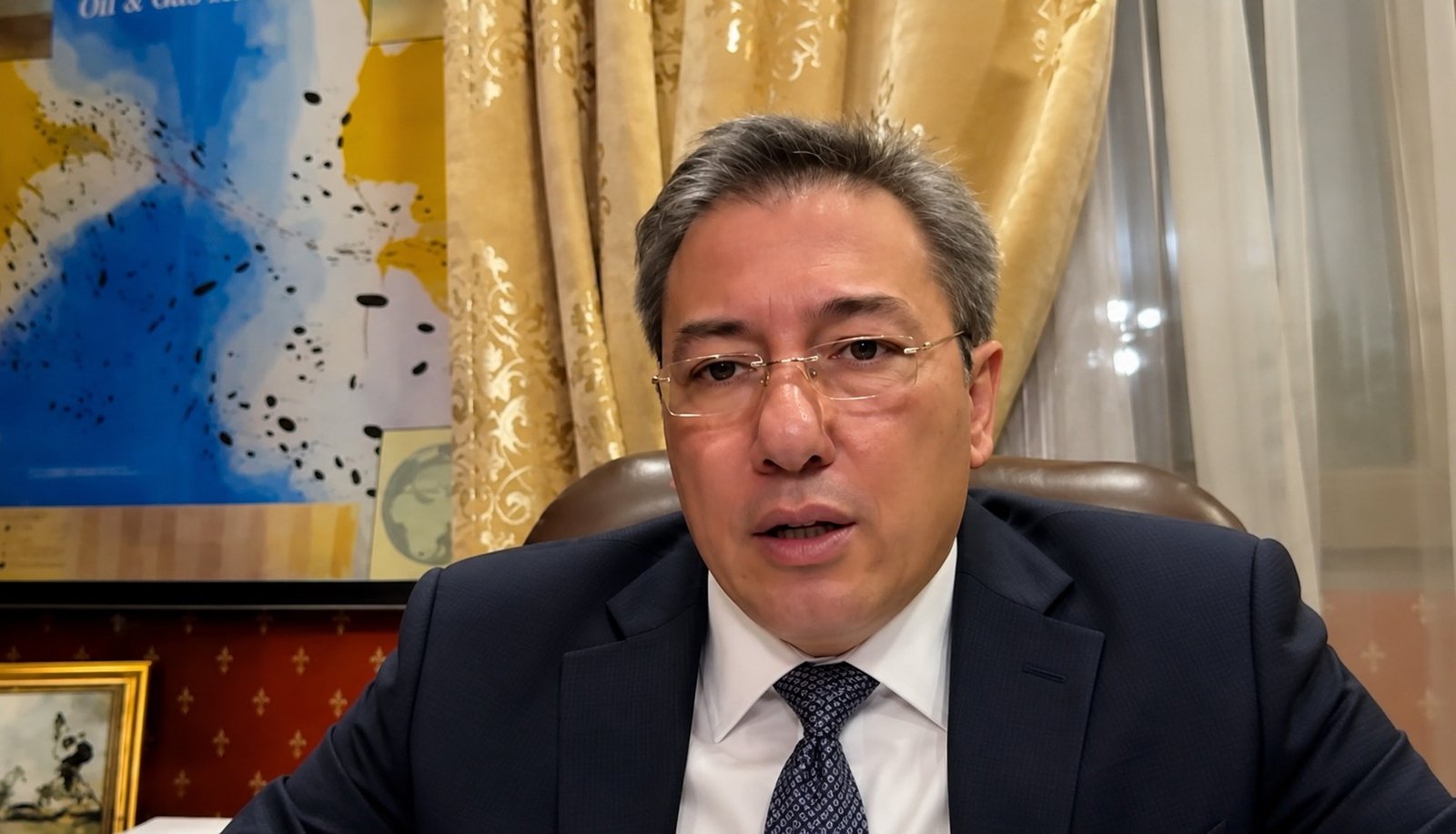
Azerbaijani political analyst Ilgar Velizade, head of the South Caucasus Political Scientists Club, made the assessment in an interview with Professor Vitaly Barvinenko.
Velizade said the election results exposed a deep divide within Armenian society. Around 730,000 voters backed Pashinyan’s party, while the three main opposition forces received a combined 527,000 votes.
“People say the party of war lost. But did it really lose?” Velizade said.
He noted that the more radical opposition secured seats in parliament and improved its position. Pashinyan’s party won 64 seats out of 105, compared with 71 seats out of 107 in the previous parliament.
According to Velizade, Moscow understood that replacing Armenia’s government under current conditions was nearly impossible.
“For Russia, it was important to keep forces inside Armenia’s political system that could restrain Pashinyan,” he said. “But their outright victory would not necessarily have served Moscow’s interests, because it could have drawn Russia into renewed tensions with Azerbaijan and Turkey.”
Velizade said the result still gave Pashinyan a mandate to continue pursuing peace. A significant part of Armenian society, he argued, is tired of conflict and wants more stable relations with neighboring countries.
The prime minister, however, will now have to deliver tangible results.
Those could include progress toward a peace agreement with Azerbaijan, normalization with Turkey and visible economic benefits from reopening regional transport links.
Velizade said constitutional changes would be harder to secure without a stronger parliamentary majority. Still, he argued that Pashinyan could potentially find the additional votes he needs among less radical opposition lawmakers, depending on domestic and geopolitical pressure.
On Armenian-Turkish normalization, Velizade said Ankara was unlikely to open the border without taking Baku’s position into account.
“Turkey is interested not only in Armenia, but in direct access to Azerbaijan, the Caspian Sea and Central Asia,” he said. “Armenia itself is not the main prize.”
He said the reopening of regional routes would depend on Azerbaijan receiving unhindered access to Nakhchivan.
A railway connection could take several years to complete, Velizade said, while a road link might offer a faster option if the sides reached the necessary political and security arrangements.
Velizade also compared Armenia’s relations with the European Union and the Eurasian Economic Union to a “love triangle.”
In his view, Yerevan wants to preserve the economic advantages of membership in the Russia-led bloc while moving closer to the EU, which has not offered Armenia a clear path to membership.
“Armenia does not want to give up the benefits it already has, but it also expects closer ties with the European Union, which is not giving it concrete guarantees,” Velizade said.
AZE.US