AZE.US
The growing number of electric vehicles in Azerbaijan is increasing demand for charging points in residential buildings, parking areas and apartment courtyards. But much of Baku’s existing housing infrastructure was not designed for widespread EV use.
Economist Vugar Oruj told Demokrat.az that the layout and technical capacity of many residential buildings do not allow charging equipment to be installed on a large scale.
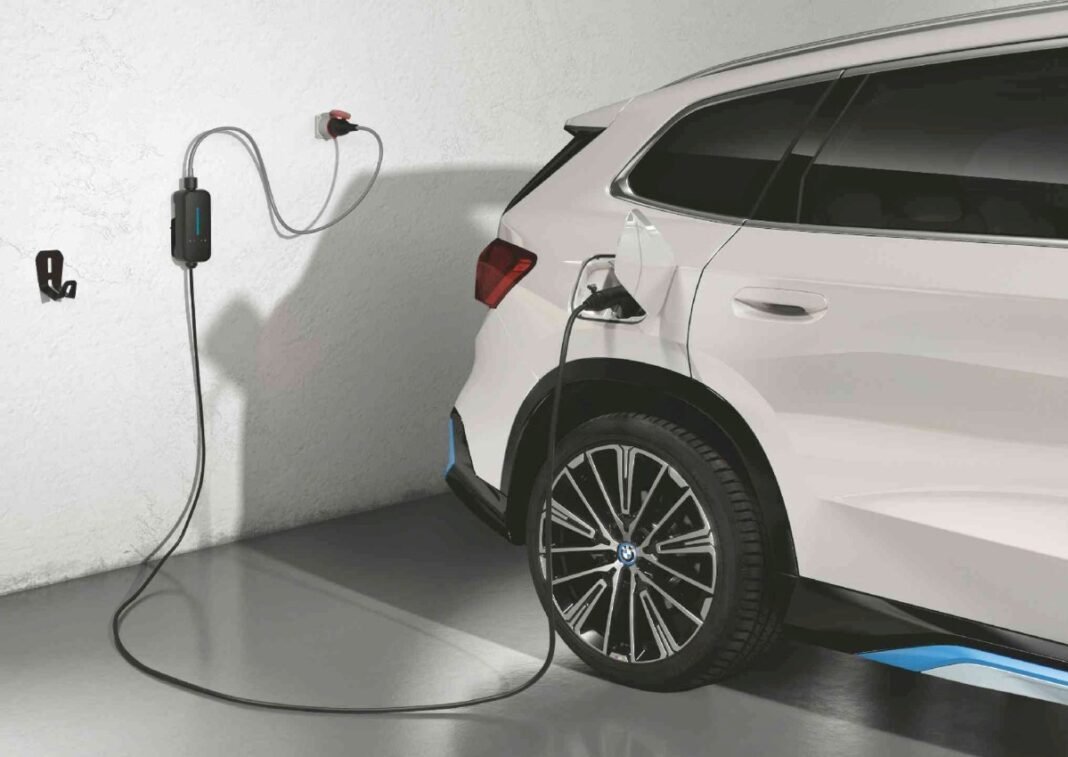
Individual residents can arrange private charging points in parking spaces or underground garages at their own expense. However, Oruj said most buildings are not prepared for a broader transition in which electric vehicles become the dominant form of transport.
The issue could become increasingly important for homebuyers. Residential complexes with dedicated EV charging stations and sufficient electrical capacity are likely to attract stronger demand in the future.
For now, charging facilities in apartment parking areas remain limited. A sharp increase in the number of electric vehicles could lead to power shortages, long waits and disputes over access to charging points.
The problem is particularly serious in older neighborhoods and densely built parts of Baku, where parking space is already limited.
Oruj said more public charging stations are expected to appear across the city, including at existing fuel stations. Future residential developments will also have to take EV infrastructure into account during the planning and construction stages.
At present, however, installing a charger in a residential building remains largely an individual solution rather than part of a coordinated urban system.
AZE.US