AZE.US
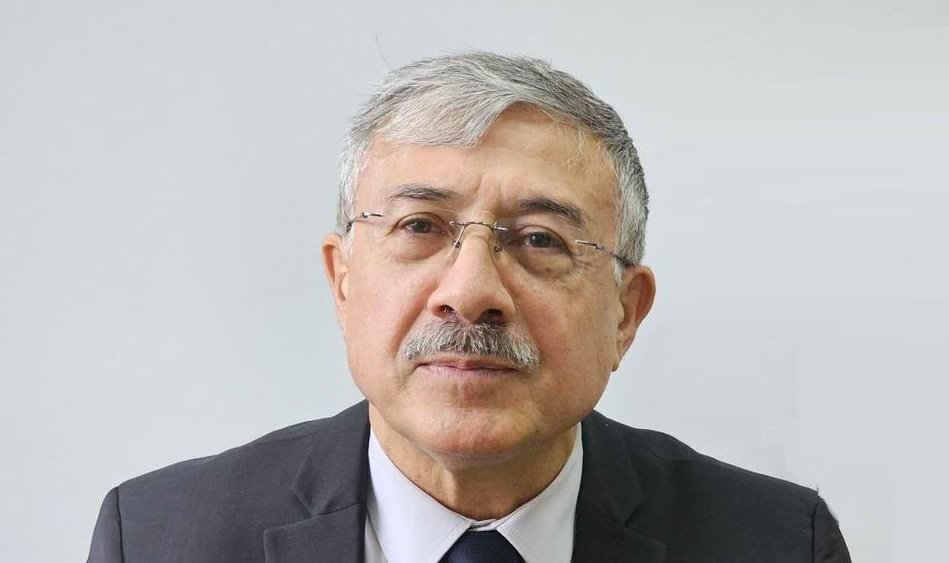
Israel risks damaging its strategic partnership with Azerbaijan if it continues making political moves that place Baku in a difficult position between Ankara and Tel Aviv, Azerbaijani expert Chingiz Mammadov said.
Speaking on the YouTube program Modern Conversation with Rasim Babayev, Mammadov commented on the controversy surrounding possible Israeli recognition of the 1915 events in the Ottoman Empire as genocide.
He said Azerbaijan’s Foreign Ministry had already expressed Baku’s displeasure over the issue, adding that the matter should be viewed not only through a historical lens, but also as part of current regional politics.
Mammadov described the events of 1915 as tragic, saying no one should deny the suffering of civilians during the First World War. However, he argued that those events should not be automatically equated with the Holocaust.
According to Mammadov, the Holocaust was preceded by a clear ideological and legal framework, including Nazi racial theories and the Nuremberg Laws, and later involved an industrial system of extermination through concentration camps.
“In the Ottoman Empire, there was nothing similar,” he said.
He also argued that armed Armenian groups, including Dashnak formations, were engaged in conflict against the Ottoman authorities, while Jews in Europe did not create armed units against Nazi Germany. Mammadov said this distinction is essential when comparing the two historical cases.
The expert also pointed to Turkey’s earlier proposal to open archives and conduct a joint historical review with Armenia and other countries. He said Ankara’s offer was not properly taken up by other sides.
Mammadov said the current push around the 1915 issue is largely political.
“This is not about facts. This is about political goals,” he said.
According to him, Israel’s position is linked to the sharp deterioration in relations between Turkey and Israel following the war in Gaza. He said Ankara could not remain silent about developments in the Middle East because Turkey is a major regional power and directly affected by instability in the region.
Mammadov placed much of the responsibility for the current crisis on the government of Israeli Prime Minister Benjamin Netanyahu, saying Israel’s actions in Gaza, the West Bank and Lebanon have raised serious questions under international law.
He also said Netanyahu is facing a difficult domestic political situation and may be using escalation as a way to preserve his position.
Turning to Azerbaijan, Mammadov said Baku is in a complicated situation because Turkey is Azerbaijan’s closest ally, while Israel has long been an important strategic partner.
He noted that Israel has provided strong support to Azerbaijan, not only through defense cooperation, but also through pro-Israel lobbying networks in the United States that, according to him, helped Azerbaijan at critical moments.
But Mammadov warned that Israel should not assume Azerbaijan can be pressured into neutrality if Turkey is targeted.
“If Azerbaijan is forced to choose between Turkey and Israel, Azerbaijan will choose Turkey,” he said.
Mammadov said such a scenario would not serve Israel’s own interests, because partnership with Azerbaijan remains a valuable strategic asset for the Jewish state, especially at a time when Israel faces growing challenges in the Middle East.
He also argued that Israeli statements on the 1915 events ignore other tragedies, including the Khojaly massacre, ethnic cleansing against Azerbaijanis and crimes committed by Armenian armed groups in different historical periods.
Mammadov said Israel may gain short-term political benefits from its current approach, but in the long run it risks undermining relations with one of its most important Muslim partners.
“One hopes that the Israeli government will draw the right conclusions,” he said.
AZE.US