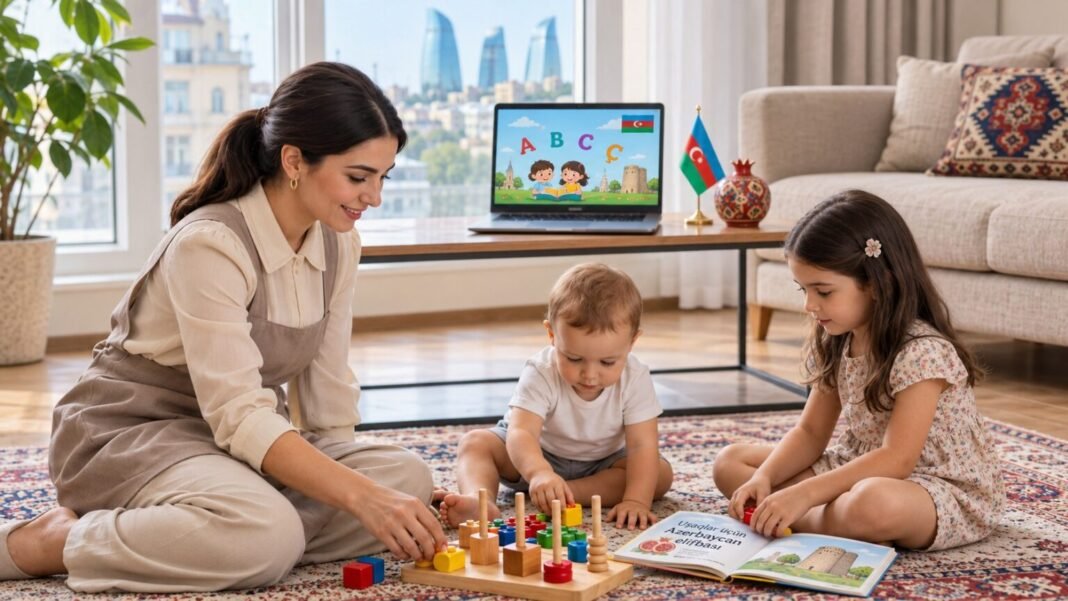
Parents choosing a nanny should assess more than experience and references, focusing also on patience, an understanding of a child’s developmental stage and a willingness to cooperate with the family, psychologist Vafa Akbar said.
Akbar said video surveillance alone cannot replace close attention to the child’s condition and behavior.
A nanny influences not only day-to-day care but also how a child learns to express fear, joy, dissatisfaction and other emotions, she said. The adult’s conduct in ordinary situations matters especially when a child is upset or does not comply with a request.
Akbar said shouting, threats and intimidation should not be treated as acceptable methods of discipline.
When monitoring a nanny’s work, parents should watch for changes in sleep and appetite, frequent crying, fear when the nanny is mentioned and reluctance to separate from parents, she said. Such changes require attention and an effort to establish the cause because a video recording may not show the entire situation.
Akbar also warned that repeatedly changing nannies can make adjustment harder for a child who has formed an attachment to a caregiver.
She identified kindness, emotional stability, an interest in child psychology and a willingness to learn as important selection criteria. An attitude of “I have always raised children this way,” without regard for an individual child’s needs, can make cooperation with the family more difficult, she said.
Akbar made the comments in a video discussion on nanny services, rules and supervision.
Source: Vesti Baku.