AZE.US
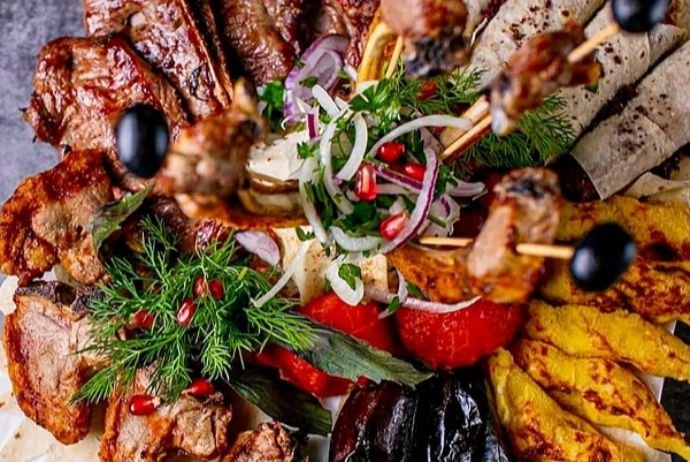
Complaints are growing in Azerbaijan over shrinking kebab portions in restaurants and cafes, with customers saying there are fewer pieces of meat on each skewer while prices continue to rise.
AZE.US reports, citing Modern.az, that the issue has become more visible as restaurant prices increase and summer demand grows in popular regional destinations.
Eyyub Huseynov, chairman of the Free Consumers Union, said complaints about smaller kebab portions and higher prices have been coming in for more than three years.
He said one reason is the rapid expansion of the restaurant business and a sharp rise in demand for eating out, especially during the summer season.
“Observations in the regions show that in some areas demand seriously exceeds supply. In my view, this is seen more often in the Quba-Qusar zone. A similar situation is also observed in Ganja. The situation is more balanced in the southern region, where demand does not exceed supply as sharply,” Huseynov said.
He said some businesses take advantage of strong demand in a market economy, leading to cases where consumers feel misled, service and product quality decline, and prices rise.
Huseynov also pointed to weak oversight in the restaurant sector. He said limited inspection capacity allows some businesses to abuse the situation, which can result in violations of consumer rights.
According to him, menus should clearly state the weight of a kebab portion, the type of meat used and the price. In practice, he said, customers do not always receive clear information before ordering.
The problem is especially common in places visited by tourists, Huseynov said. Some businesses assume a tourist will visit only once and therefore can be charged any price.
He said similar complaints are often raised about tea service in recreation and tourism areas, where a single teapot of tea may be offered at an unusually high price.
Such practices damage not only consumer trust but also Azerbaijan’s tourism image, Huseynov said. He called for stronger public oversight, better protection of consumer rights, higher business ethics and greater responsibility among entrepreneurs.
Tahir Amiraslanov, a well-known culinary historian and president of the National Culinary Association, said restaurants have limited options when food costs rise: either increase prices or reduce portion sizes.
“As with bread, either the price must rise or the weight must decrease. Otherwise, lower-quality and cheaper meat, or meat substitutes, would have to be used. There is no other way,” Amiraslanov said.
Farhad Ashurbayli, executive director of the Azerbaijan Culinary Specialists Association, also said smaller portions become inevitable when raw material prices rise and restaurants do not want to increase menu prices openly.
“If raw materials become more expensive and a restaurant does not want to raise prices, logic says the weight must decrease. That is normal. Either the price rises or the weight decreases,” Ashurbayli said.
For customers, however, the central issue remains transparency: they should know in advance how much meat they are paying for, what kind of meat is being served and whether the price matches the portion.
AZE.US