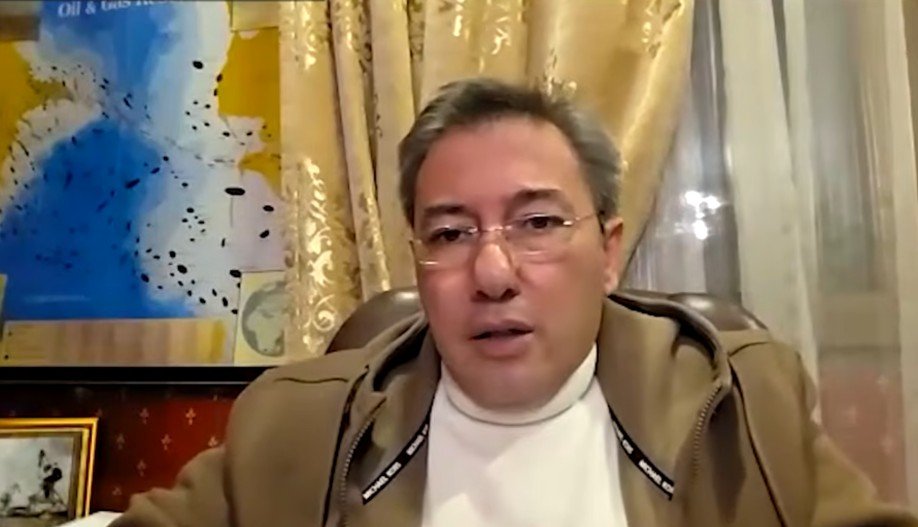
BAKU, Azerbaijan - Azerbaijan will not abandon relations with one partner for another or allow itself to be drawn into someone else’s confrontation, Azerbaijani political analyst Ilgar Velizade said.
Velizade, head of the South Caucasus Political Scientists’ Club, made the remarks in an interview with Daily Europe Online, according to a Vesti Baku report.
He said attempts to force Baku to choose between Turkey and Israel contradicted the logic of Azerbaijan’s foreign policy: maintaining independence while building relationships that give every side an interest in continued cooperation.
Azerbaijan’s relations with Turkey and Israel have different foundations and develop in parallel, Velizade said. Cooperation with Israel has evolved over decades and covers defense technology, security, energy, technology and agriculture.
“Abandoning relations with one player in favor of another would narrow the space for diplomatic, political and economic maneuver,” he said.
Velizade argued that ties with Israel also help Azerbaijan broaden contacts with other states, including countries in the eastern Mediterranean. Reducing the relationship to a single regional conflict would therefore be a mistake, he said.
School-Clothing Dispute Raises a Question About the State
Velizade linked tension with some influential circles in Turkey to differing views of social development. Azerbaijan and Turkey remain separate states with their own political systems, economic models and internal dynamics, he said.
The closeness of the two peoples does not eliminate those differences or justify importing Turkey’s domestic political agenda into Azerbaijan, he added.
Velizade said Azerbaijani authorities regard attempts to introduce religious norms into public institutions and political governance as a challenge to the secular foundations of the state. He said the issue does not necessarily involve radicalism and may also concern more conservative ideas about how society should be organized.
Some influential circles linked to Turkey’s governing Justice and Development Party view those trends differently and support them, he said. That creates a fundamental disagreement between what Baku sees as a threat to its state model and what some Turkish figures consider a desirable direction.
“It is read as a hint at changing the character of the Azerbaijani state or Azerbaijani society,” Velizade said.
Why Criticism From Turkey Draws a Sharper Response
Velizade said comments from Turkey are particularly sensitive because the two countries are allies. Azerbaijan is accustomed to criticism from Iran, given the differences between their political systems and Tehran’s periodic objections, he said.
Similar statements from a friendly country are received differently. “Here, they are friends, brothers and allies - and then there is this attitude. That is why the reaction is so strong,” he said.
Failing to respond to isolated attempts at interference could allow them to become systematic, Velizade argued. Baku therefore needs to establish clear limits regardless of where the pressure originates.
He said the dispute also undermined claims that Azerbaijan was merely a dependent extension of Turkey.
“If we were a proxy of Turkey or any other state, we would simply cease to be genuinely independent,” Velizade said.
Partnerships Must Create Mutual Interests
Velizade said Azerbaijan’s foreign-policy stability depends on a network of mutual interests. Friendship declarations matter less than projects whose disruption would impose real costs on the other side, he said.
Turkey benefits from Azerbaijan’s role as an energy and transport bridge and as a link to Central Asia, while Russia values ties with the South Caucasus’ largest economy and the development of the North-South transport route, Velizade said.
An open crisis with Baku would weaken Moscow’s own position in the region, he argued. Azerbaijan’s task is to remain an important partner to all sides while protecting its freedom of action.
That approach is incompatible with becoming a permanent participant in another country’s conflict, he said. Placing Azerbaijan on one side of the Turkey-Israel confrontation would create additional risks without a clear benefit for Baku.
Baku Rejects a Role as a Military Platform
Velizade rejected portrayals of Azerbaijan as a platform for action against Iran. Cooperation with Israel does not mean allowing Azerbaijani territory to host military infrastructure directed against a neighboring country, he said.
He applied the same reasoning to relations with Russia, saying Azerbaijan had no interest in becoming an instrument of another state’s geopolitical strategy.
For a country seeking investment and developing international energy and transport projects, being viewed as a potential theater of war would be especially damaging, Velizade said. Investors need confidence that their assets will be protected and contracts honored, making foreign-policy independence an issue of economic security as well as national prestige.
Domestic Discontent Requires Substantive Answers
Velizade said the state could not rely only on security and preventive measures when addressing the risk of outside influence. Foreign actors may try to exploit existing public dissatisfaction, but authorities must also address its underlying causes, he said.
“It is necessary to identify the social base and reduce or eliminate the causes of protest,” Velizade said.
He called the existence of a critical segment of society natural. The state’s resilience depends on policies that reduce legitimate grounds for dissatisfaction while preventing outside powers from exploiting domestic problems for their own purposes, he added.