Vesti Baku
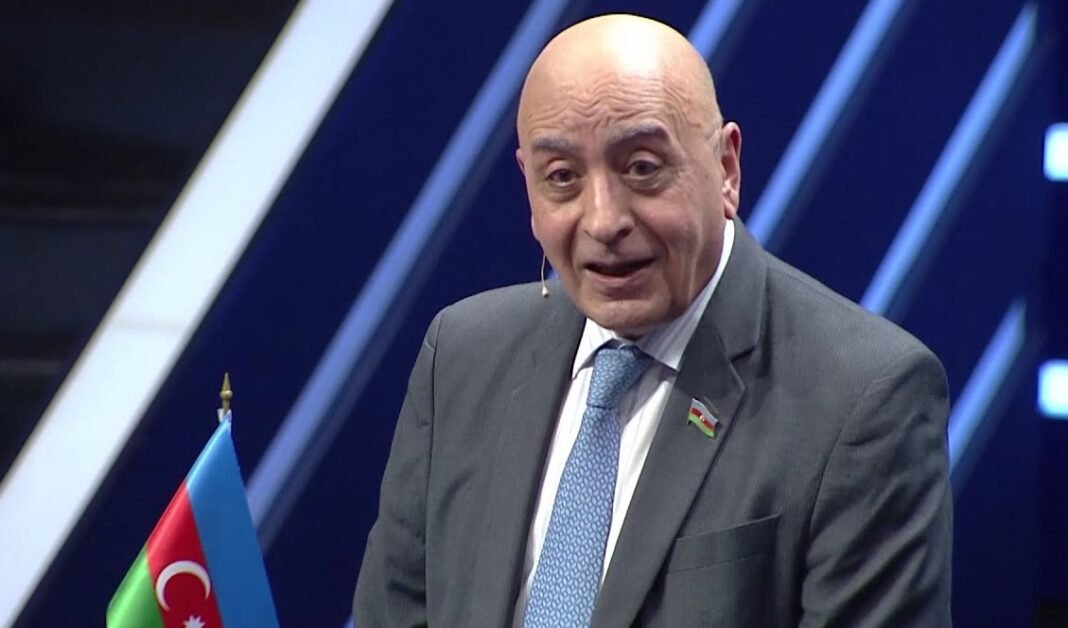
Armenian Prime Minister Nikol Pashinyan’s reference to 2031 does not mean that a peace treaty with Azerbaijan or the reopening of transport links will be postponed until then, Azerbaijani lawmaker Rasim Musabekov said.
The date represents the outer limit for completing a broader political program, Musabekov told Baku.TV.
He was commenting on Pashinyan’s statements about the peace process, constitutional reform and the possibility of early parliamentary elections.
Musabekov said Pashinyan had identified 2031 as the deadline for addressing a package of issues: signing and ratifying a peace treaty, opening transport routes and resolving the question of enclaves and exclaves.
“But that absolutely did not mean that all the issues would be postponed until 2031,” Musabekov said. “Nothing of the sort. The work simply needs to begin and proceed.”
Musabekov described 2026-2027 as a more logical and appropriate period for signing the peace treaty.
Early Elections as Pressure on the Opposition
He characterized suggestions of an early election primarily as a tool for pressuring Armenia’s opposition. In his view, Pashinyan is signaling to opponents that another vote could weaken their position further.
Musabekov said the Armenian prime minister may be trying to persuade some opposition lawmakers to support a new constitution.
“I think this is one of the instruments of pressure on the opposition, intended to bring part of it around to supporting the new constitution,” he said.
After a draft is published, Pashinyan may be able to negotiate with individual members of parliament, secure the required legislative support and then submit the document to a referendum, according to Musabekov.
Constitutional Reform and the Peace Process
Constitutional reform could become a key stage in normalizing relations between Baku and Yerevan, Musabekov said.
He recalled Pashinyan’s statement that a new constitution would not refer to Armenia’s Declaration of Independence. Baku says provisions associated with that declaration contain territorial claims against Azerbaijan.
Musabekov also addressed enclaves and exclaves. If the two sides agree to an exchange, he said, that decision would also need to be approved through a referendum.
With negotiated positions and orderly parliamentary procedures, Pashinyan could secure the necessary support from both legislators and voters, Musabekov said.
The new constitution would address far more than the peace process. Armenia would also need to define the state’s relationship with the Armenian Apostolic Church and the diaspora, and clarify relations between the judicial and executive branches.
“There is still a great deal they will need to provide for in the new constitution,” Musabekov said.
Originally published in Russian by Vesti Baku.