AZE.US
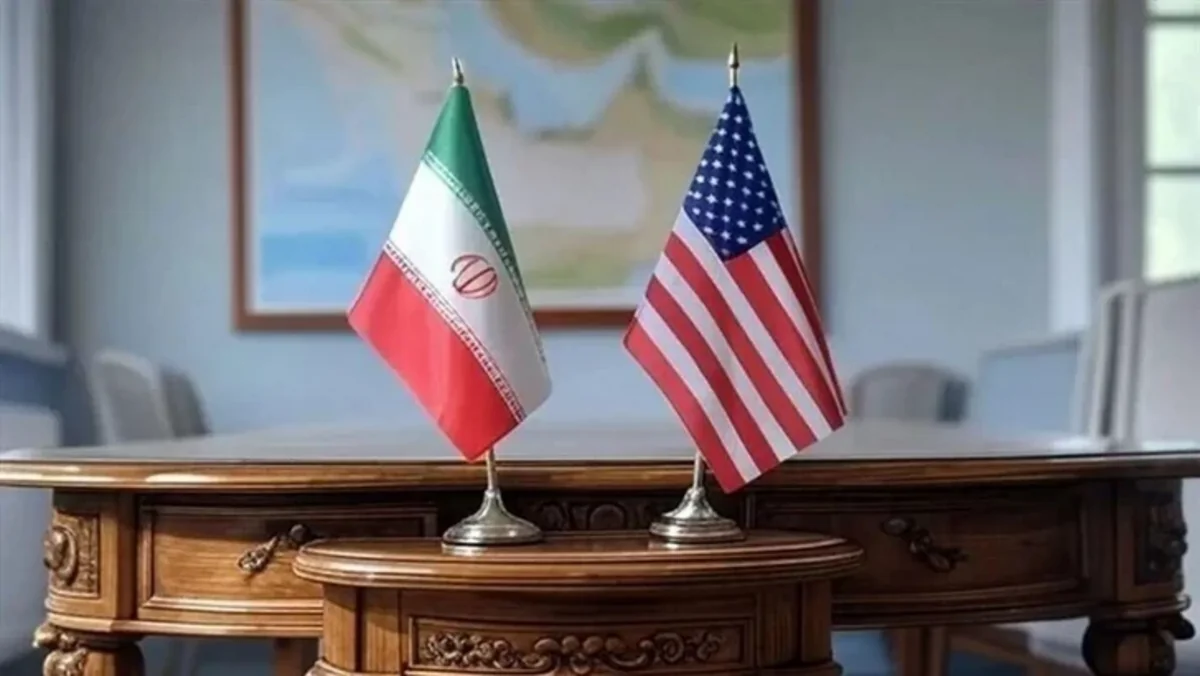
A two-week ceasefire between the United States and Iran was thrown into doubt within hours of its announcement, as conflicting public statements and continued attacks across the region exposed how fragile the deal may be. Reuters reported that President Donald Trump said Washington would suspend bombing Iran for two weeks after Pakistani mediation, while AP said Tehran also accepted the pause and agreed to talks in Islamabad.
Trump said the pause was tied to the safe reopening of the Strait of Hormuz and described a 10-point Iranian proposal as a workable basis for negotiations. Reuters said the proposal was presented after contacts involving Pakistani Prime Minister Shehbaz Sharif and army chief Asim Munir.
But the apparent breakthrough almost immediately ran into credibility problems. AP reported that major ambiguities remained over the contents of the proposed framework, especially around key issues such as uranium enrichment, while hostilities in the wider region did not fully stop after the ceasefire was announced. Missile alerts and strikes were still being reported, underscoring that the pause looked more like a narrow and unstable opening than a settled de-escalation.
Reuters, meanwhile, also reported a parallel and more cautious Iranian position. In a separate account, a senior Iranian official told the agency that Tehran wanted conditions for any lasting peace, including an immediate end to U.S. strikes, guarantees against future attacks, and compensation for damages. That version suggested Iran was not treating a short ceasefire as a final political settlement.
The wider diplomatic mood reflected that uncertainty. Reuters reported that international figures welcomed the pause but remained alarmed by the rhetoric and by how close the crisis had come to a much broader regional escalation.
For now, the ceasefire has opened a possible path to negotiations. But the first hours after the announcement made one thing clear: the U.S. and Iran may have paused the next round of escalation, yet they are still far from a shared understanding of what any real settlement would look like.