AZE.US
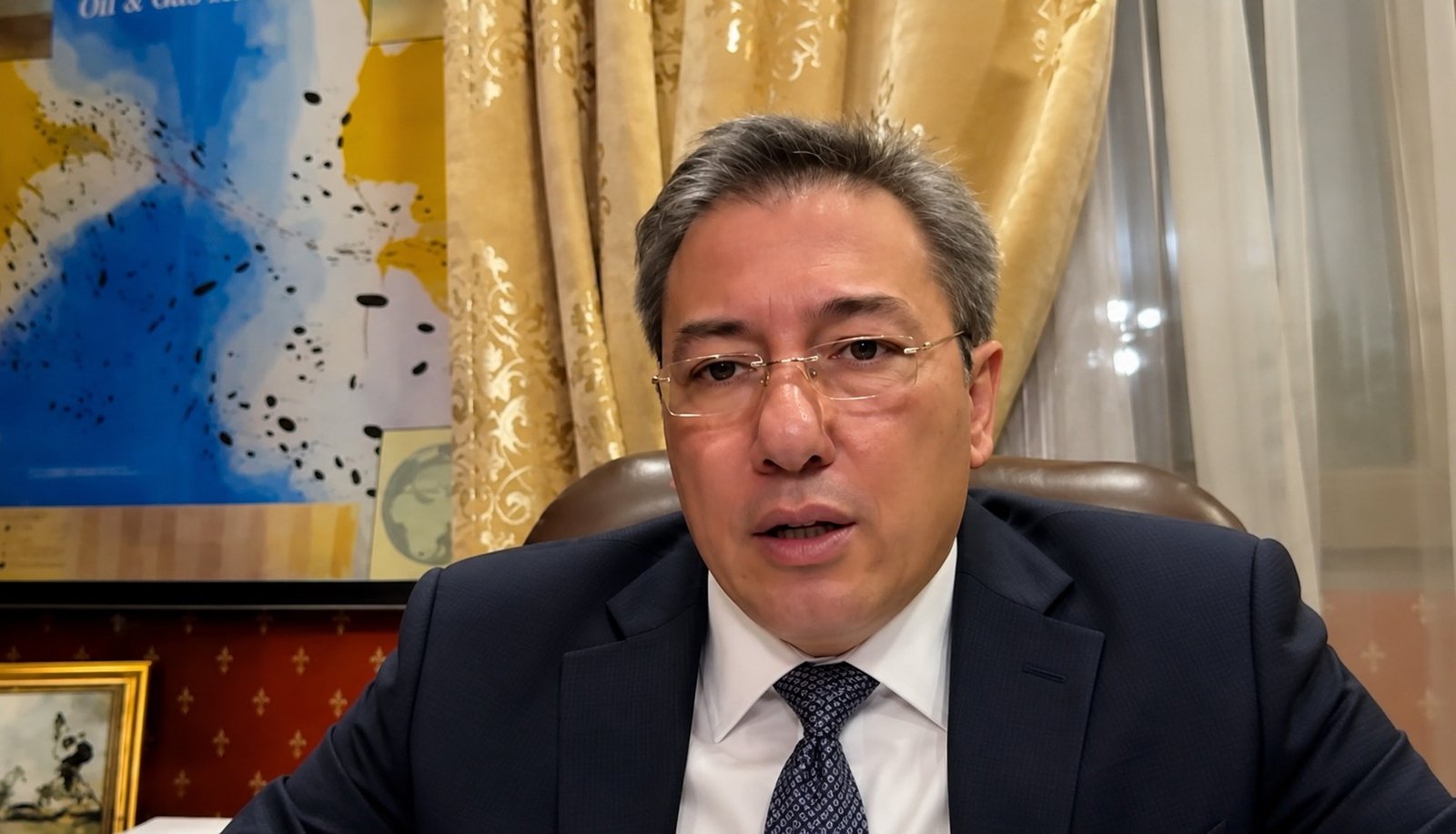
Azerbaijani political analyst Ilgar Velizade said Moscow’s pressure on Armenia could produce the opposite of the result Russia wants, as Yerevan becomes more alert to Russian political narratives and their possible impact on elections.
Speaking on the Daily Europe Online YouTube channel, Velizade said Armenian authorities are closely watching the Russian media space and understand how Russian narratives may influence Armenian citizens living in Russia.
“They understand very well what kind of threat may be carried by people who live in Russia and are charged with these narratives,” Velizade said, referring to messaging that, in his words, comes “from every iron.”
Velizade said Armenia’s election legislation did not suddenly change. Restrictions affecting people with citizenship outside Armenia, he noted, existed before the current political cycle. The difference now, he said, may be that Armenian authorities are applying those rules more carefully because of the political climate.
He also questioned reports that Moscow could organize the arrival of 100,000 Armenians from Russia to vote in Armenia.
Velizade said such a scenario looked doubtful from a practical standpoint. Moving 100,000 people into Armenia within seven days would require a major increase in flights, accommodation, logistics and coordination.
“Nobody is really expecting that kind of invasion,” he said. “It is possible that thousands of active citizens may come, but certainly not hundreds of thousands.”
At the same time, Velizade said the issue cannot be treated in a one-sided way. If a person has a passport and voting rights, that person has the right to vote. But he said organized outside mobilization aimed at influencing another country’s election also raises questions.
The analyst linked the Armenian case to a broader problem in the post-Soviet space, where diaspora voting, external pressure and selective international reactions often become part of domestic political battles.
He criticized what he described as double standards by international monitoring and rights institutions. In some cases, he said, they loudly criticize election-related restrictions, while in others they remain almost silent.
“When the relevant structures that should record such situations are silent in some cases, but in other cases react very sharply, it raises many questions,” Velizade said.
His broader point was that Moscow’s style of influence may be weakening its own position. Russia, he argued, often behaves too intrusively, demands visible respect and floods neighboring countries with political messaging. Instead of keeping countries close, that approach may push them away.
For Armenia, Velizade suggested, the Russian factor has become not only a foreign-policy issue but also a domestic electoral risk.
That is where Moscow’s pressure may backfire. The more aggressively Russia tries to shape the Armenian political field, the more reason Yerevan has to treat that influence as a threat rather than a partnership.