AZE.US.
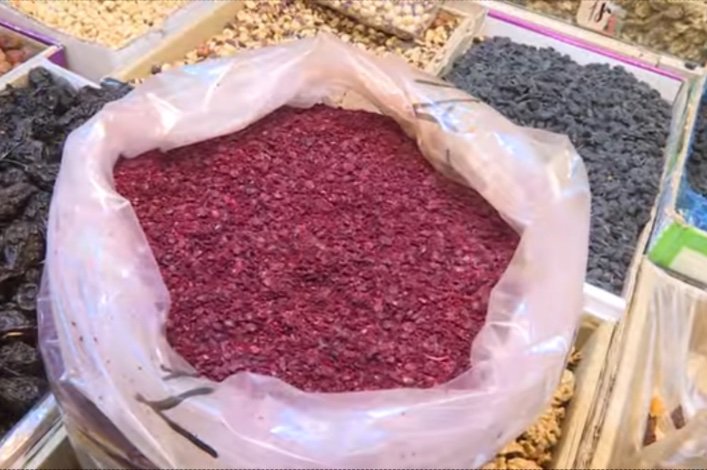
A spice found in almost every Azerbaijani kitchen is now drawing attention over a sharp price gap in the market. Sumac, widely used with qutab, lula kebab, шашлык and fish dishes, can now cost as much as 50 manats per kilogram if it is natural and properly processed.
People involved in collecting, drying and selling sumac say the higher price reflects the labor behind it. The plant is usually gathered in mountainous, densely wooded areas, where harvesting is physically demanding. After collection, it is dried for about a month before being prepared for sale.
One seller said the final yield drops sharply after cleaning and processing. According to him, roughly four kilograms of raw material may produce only one kilogram of finished, cleaned sumac. That is why high-quality natural sumac can sell for 45 to 50 manats per kilogram.
Cheaper versions, however, are widely available. Sumac sold with seeds or in less refined form can cost around 14 to 15 manats per kilogram. At Baku markets, buyers can find sumac at almost every price point, but vendors admit that unusually cheap products often raise questions about quality.
Food expert Ilkin Shirinov said some products on sale may contain additives used to increase weight or make the spice look more vividly colored. Among the substances that may be added, he said, is citric acid.
Specialists say buyers in Azerbaijan should look beyond the price tag and pay attention to quality indicators, including the product’s appearance and natural color. A sumac that looks too bright or is sold suspiciously cheaply may not be fully natural.
That helps explain why the price gap on the market has become so wide. In the case of sumac, the cheapest option is not always the best bargain. Naturally prepared sumac, made without questionable additives and processed correctly, costs more but is valued for its taste, aroma and quality.