AZE.US
Direct U.S.-Iran talks in Islamabad matter not because the two sides are suddenly on the verge of reconciliation, but because both appear to be testing whether they can stop the slide toward a wider escalation. That alone makes the meeting consequential.
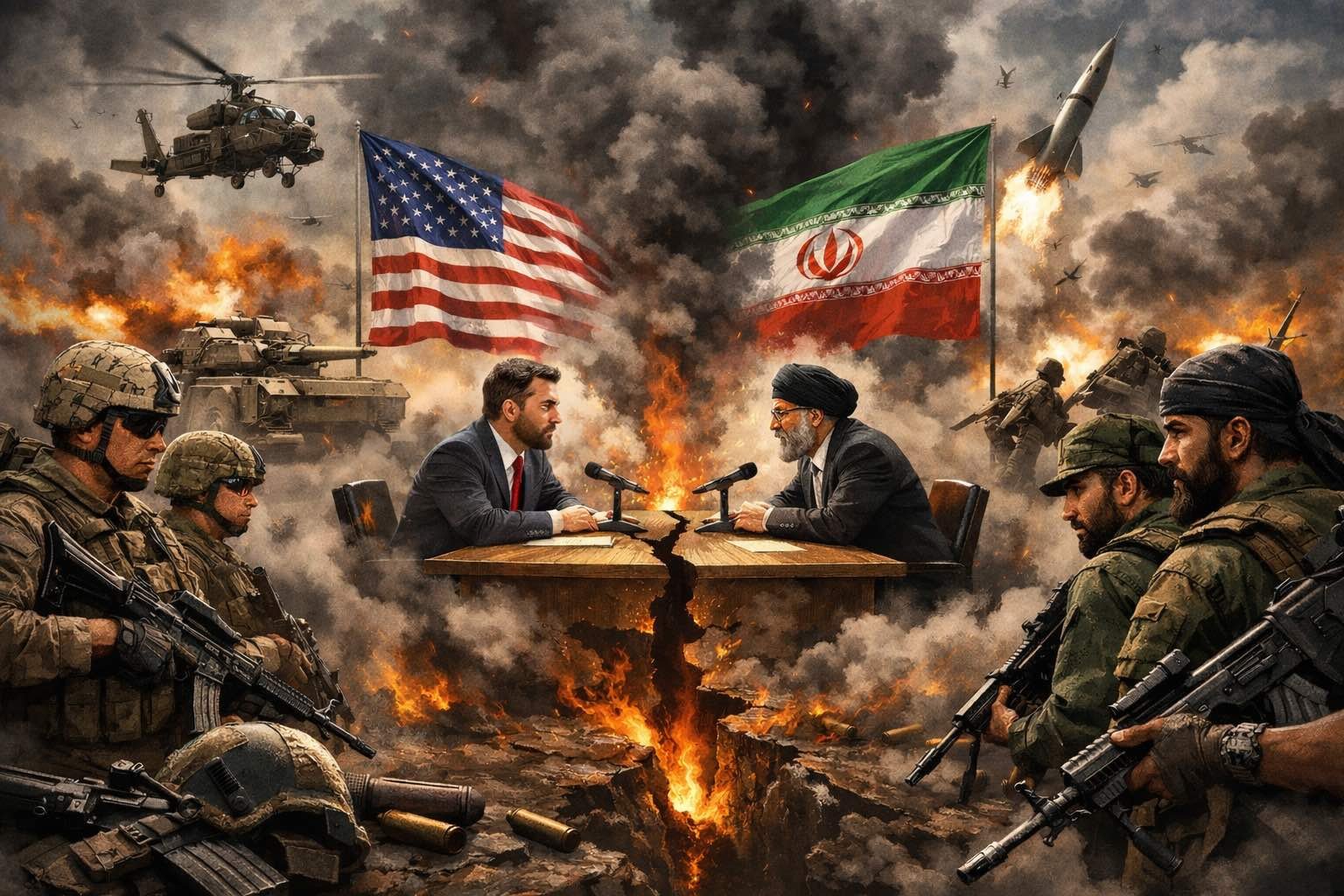
U.S. and Iranian officials met in Islamabad on April 11 in rare direct talks brokered by Pakistan, with U.S. Vice President JD Vance leading the American delegation and Iranian Parliament Speaker Mohammad Bagher Qalibaf heading Tehran’s team. The talks come during a fragile two-week ceasefire after a six-week war and are widely seen as the highest-level face-to-face contact between the two sides since Iran’s 1979 revolution.
The significance of the talks lies less in the optics than in the agenda. The two sides remain divided over freedom of navigation in the Strait of Hormuz, sanctions, frozen Iranian assets, and the broader terms of de-escalation. The Lebanon front also hangs over the negotiations, underlining how hard it will be to separate the U.S.-Iran channel from the wider regional war.
The good scenario is not a grand bargain. It is something narrower and more practical: keeping Hormuz open, preserving the direct negotiating channel, and moving the talks into a more technical phase where diplomats and experts can work through narrower disputes. Even a limited understanding on maritime security and crisis management would count as a meaningful result, because it would lower the odds that the next naval incident turns into a broader military confrontation.
That matters well beyond Washington and Tehran. Hormuz remains one of the world’s most sensitive energy chokepoints, and the war has already disrupted oil markets and weighed on the broader global economy. A modest diplomatic breakthrough would not amount to peace, but it could give the region and energy markets some badly needed breathing room.
The bad scenario is just as plausible. The talks could remain a political showcase while the core positions of both sides stay frozen. Iran wants compensation, sanctions relief and broader recognition of its regional concerns. The United States wants secure shipping lanes and constraints on Iran’s nuclear and missile capabilities. That gap is wide enough to keep the process alive on paper while producing little substance in practice.
There is also a more immediate risk: events on the ground may outrun diplomacy. Conflicting signals have already emerged around the issue of frozen Iranian funds, while U.S. operations tied to mine-clearing in Hormuz and continued violence on the Lebanon front show how fragile the current pause remains. In that environment, one public leak, one military miscalculation or one symbolic escalation could quickly undercut whatever progress is being made behind closed doors.
So Islamabad should be seen for what it is: not a peace settlement, but a test. The real question is whether Washington and Tehran can shift the confrontation from open coercion to managed bargaining. If they can, the talks may create space for narrower, more durable arrangements. If they cannot, this meeting may be remembered less as the start of a settlement than as a short pause before the next round of escalation.